Kenneth J. Reid - Böcker
Visar alla böcker från författaren Kenneth J. Reid. Handla med fri frakt och snabb leverans.
2 produkter
2 produkter
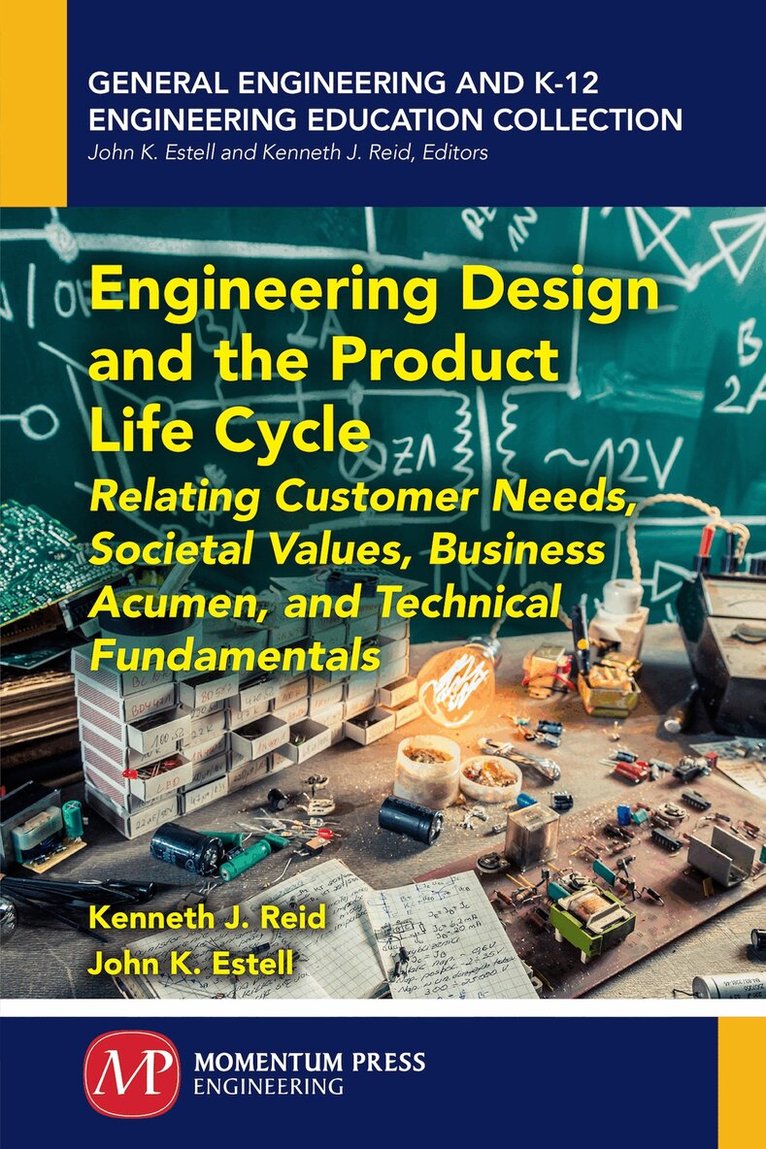
Engineering Design and the Product Life Cycle
Relating Customer Needs, Societal Values, Business Acumen, and Technical Fundamentals
Häftad, Engelska, 2017
504 kr
Skickas inom 3-6 vardagar
Design, within the context of engineering, is a term that is sometimes difficult to define. Design can be innovative, impressive, and earthshattering, but it can also be observed in the building of simple devices using everyday materials in a classroom environment. This text examines the concept of design, where success means that the designers fulfilled the established requirements, stayed within the specified constraints, and met the evaluation criteria as optimally as possible. Along the way, the reader will walk through an example design process (no, there is not a single, universally accepted design process) that presents relevant terminology and will examine design in a broader context through means of the product life cycle, where a product is followed from its initial definition to the end of its life. Finally, the text attempts to the question of what is good design by exploring some of the fundamental principles associated with design.
375 kr
Skickas inom 7-10 vardagar
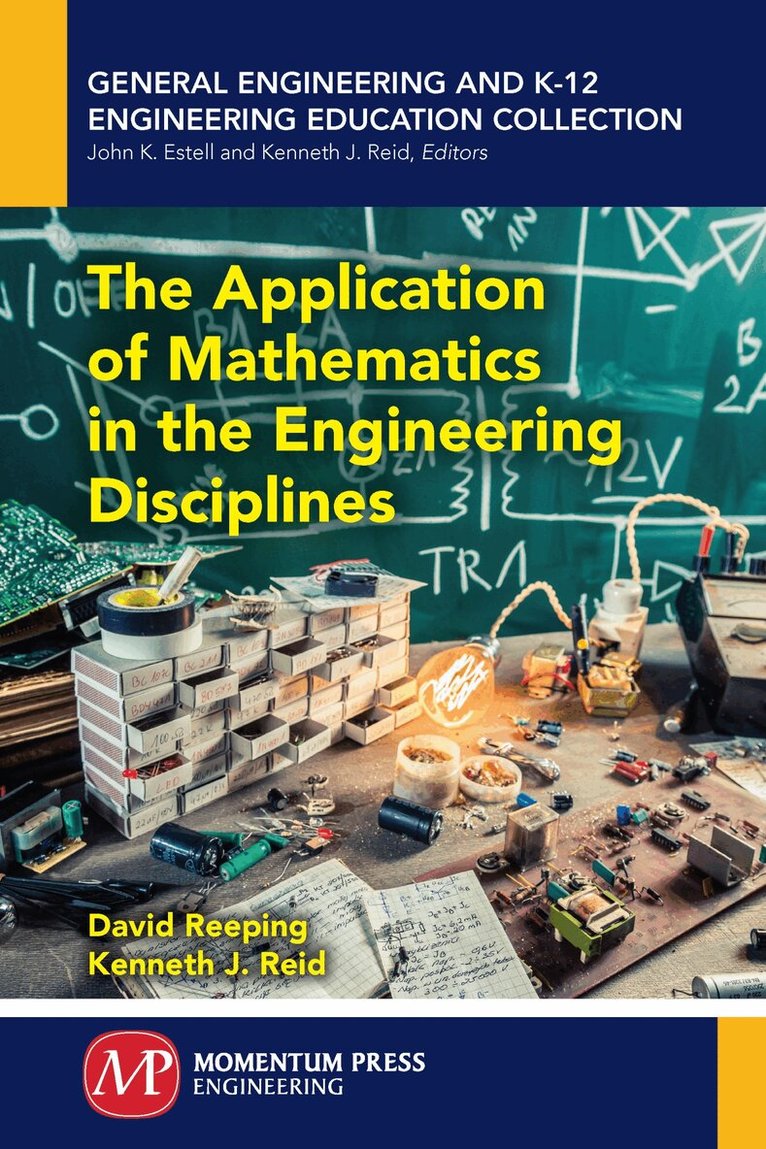
This text serves as the companion text to Introductory Engineering Mathematics, which introduces common mathematical concepts we see in engineering, including trigonometry, calculus, and functions. This text assumes a level of mathematics of a high school senior, plus some elements from the introductory text. Additional concepts we see in engineering are also introduced: specifically, matrices, differential equations, and some introduction to series. The concepts are introduced by examples rather than strict mathematical derivation. As a result, this text likely will not be an effective substitute for a differential equations course, but by illustrating the implementation of differential equations, it can be a companion to such a course. We primarily use historical events as examples (including failures) to illustrate the use of mathematics in engineering and the intersection of the disciplines. We hope you develop an appreciation for how to apply these concepts, and find a new lens through which to view engineering successes (and failures).