Kenneth M Swope – författare
Visar alla böcker från författaren Kenneth M Swope. Handla med fri frakt och snabb leverans.
14 produkter
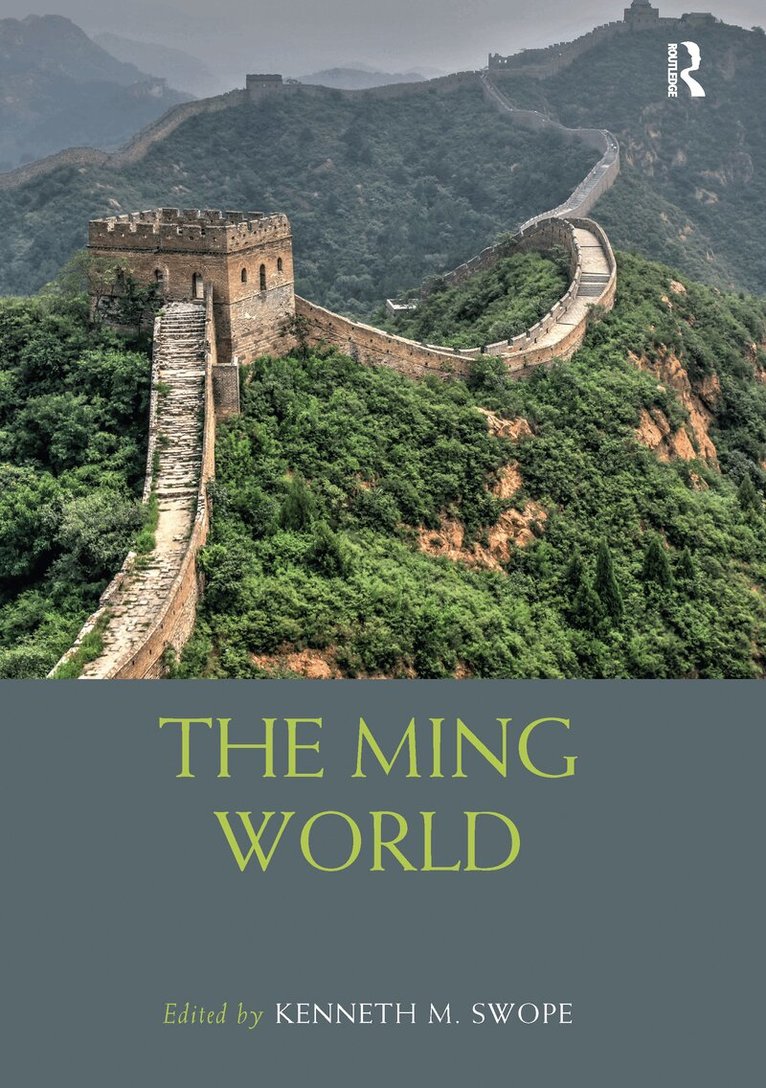
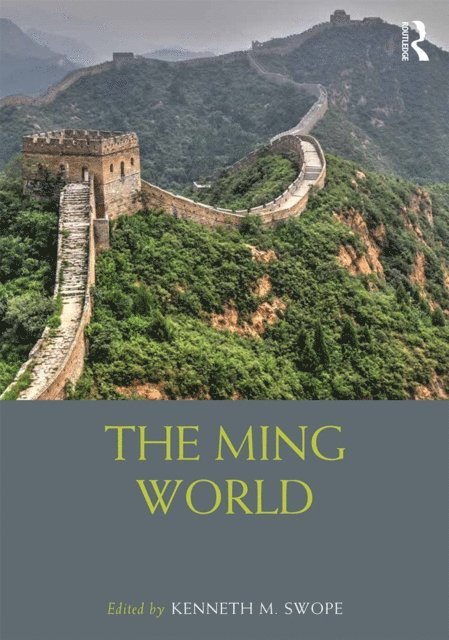
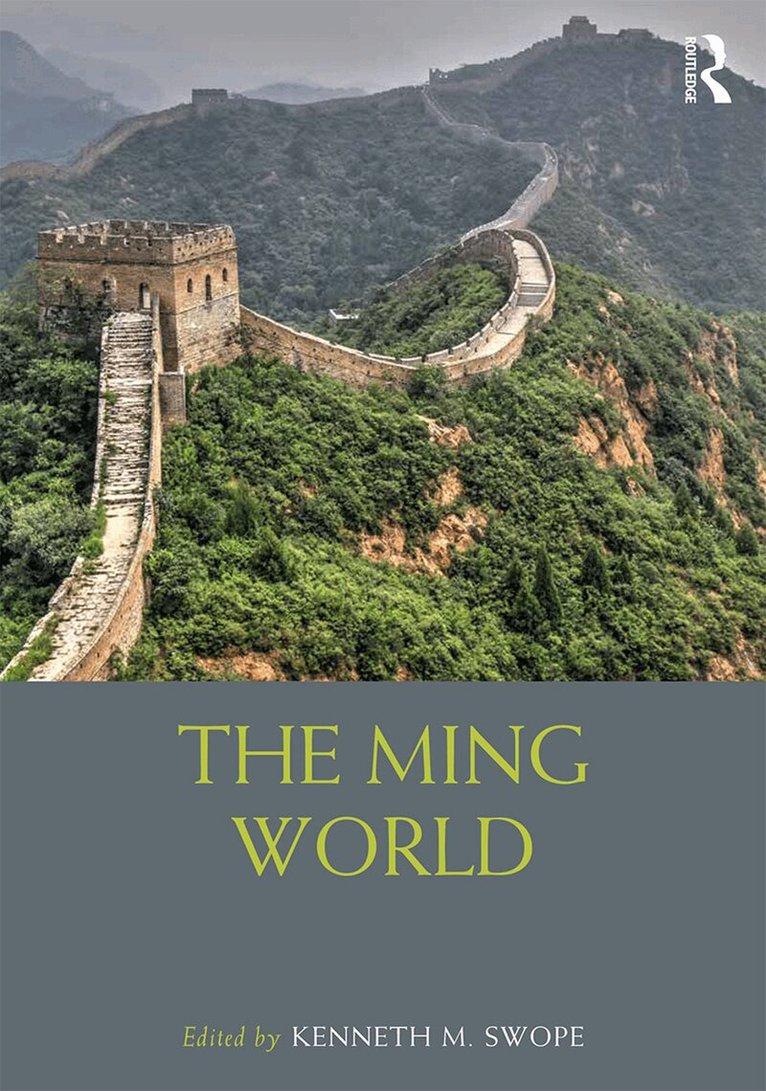
Ming World
Häftad, 2021
789 kr
Lägg i varukorg
The Ming World draws together scholars from all over the world to bring China’s Ming Dynasty (1368-1662) to life, exploring recent scholarly trends and academic debates that highlight the dynamism of the Ming and its key place in the early modern world. The book is designed to replicate the …
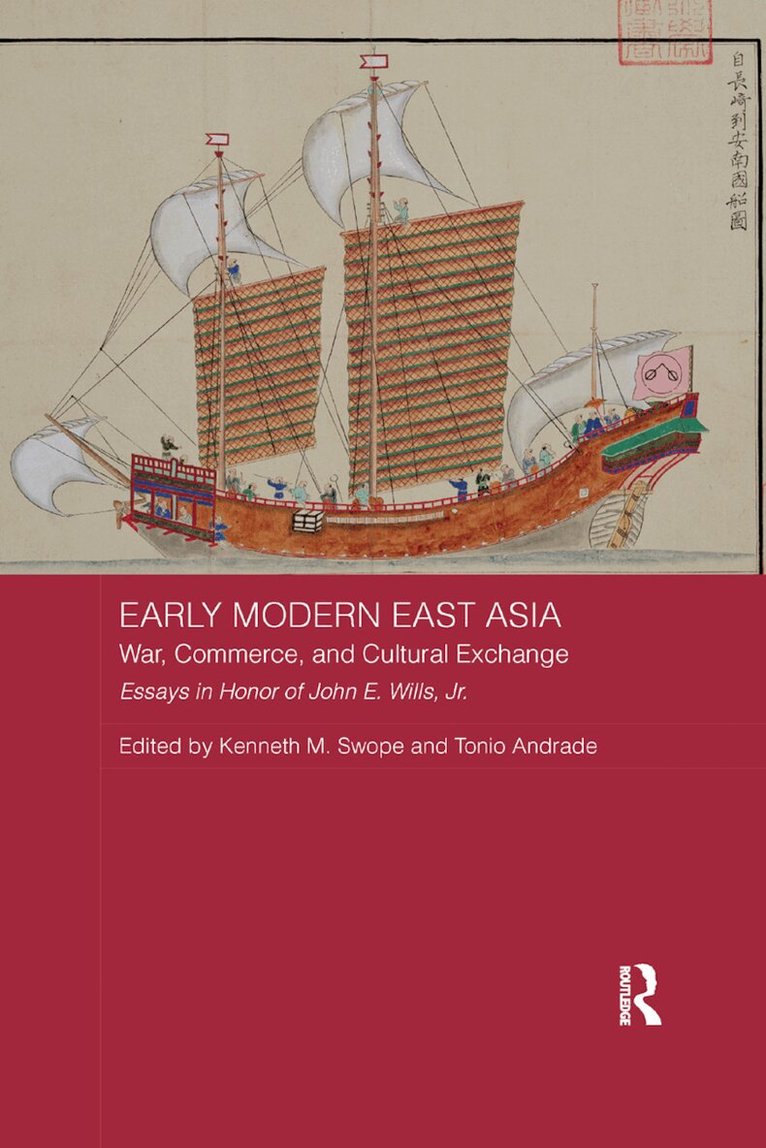
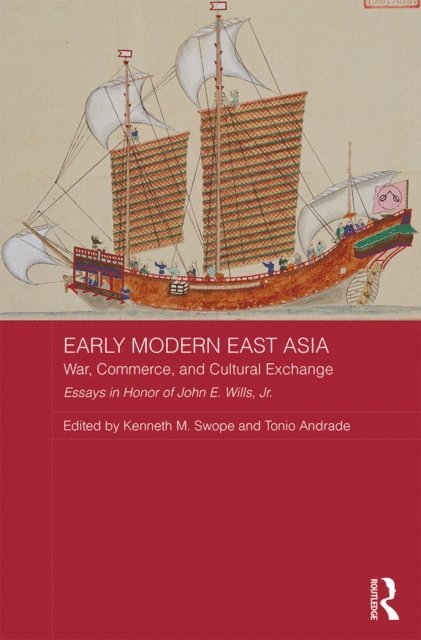
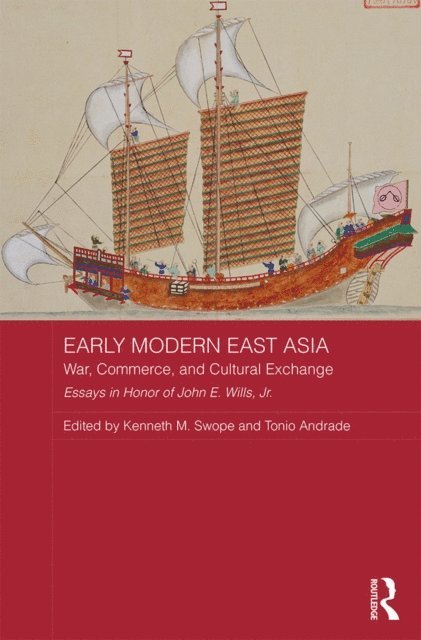
Early Modern East Asia
War, Commerce, and Cultural Exchange
Av Kenneth M. Swope, Tonio Andrade
Häftad, 2019
817 kr
Lägg i varukorg
This book presents a great deal of new primary research on a wide range of aspects of early modern East Asia. Focusing primarily on maritime connections, the book explores the importance of international trade networks, the implications of technological dissemination, and the often unforeseen …
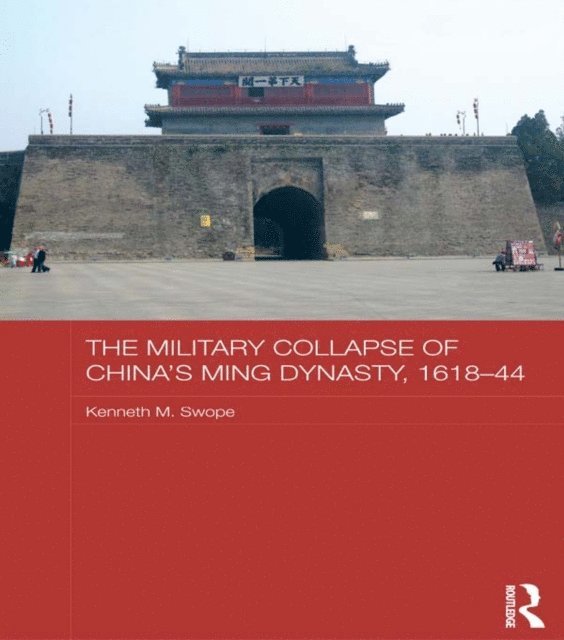
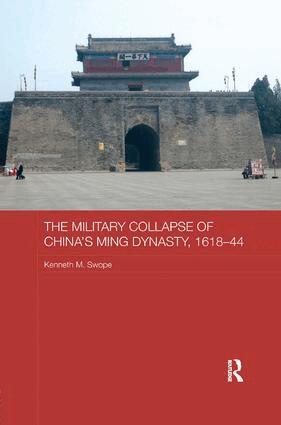
Military Collapse of China's Ming Dynasty, 1618-44
Inbunden, 2013
2588 kr
Lägg i varukorg
This book examines the military collapse of China’s Ming Dynasty to a combination of foreign and domestic foes. The Ming’s defeat was a highly surprising development, not least because as recently as in the 1590s the Ming had managed to defeat a Japanese force considered to be perhaps the most …
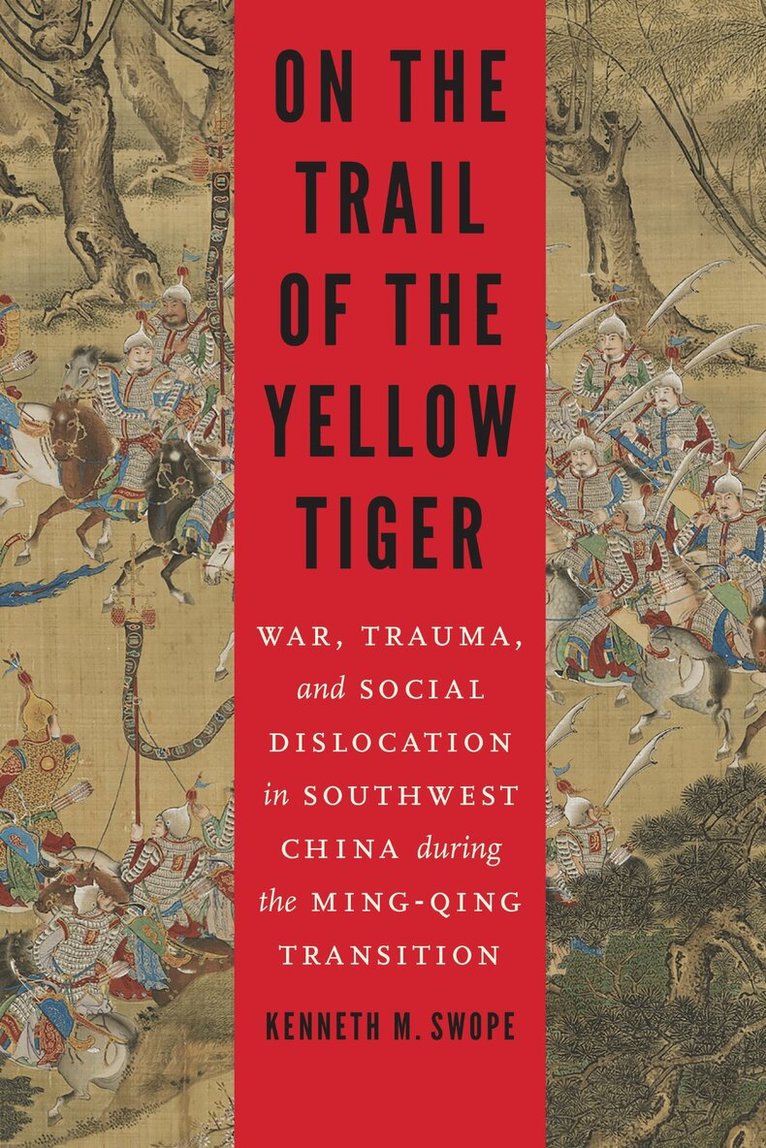
On the Trail of the Yellow Tiger
War, Trauma, and Social Dislocation in Southwest China During the Ming-Qing Transition
Inbunden, 2018
649 kr
Lägg i varukorg
The Manchu Qing victory over the Chinese Ming Dynasty in the mid-seventeenth century was one of the most surprising and traumatic developments in China’s long history. In the last year of the Ming, the southwest region of China became the base of operations for the notorious leader Zhang Xianzhong …
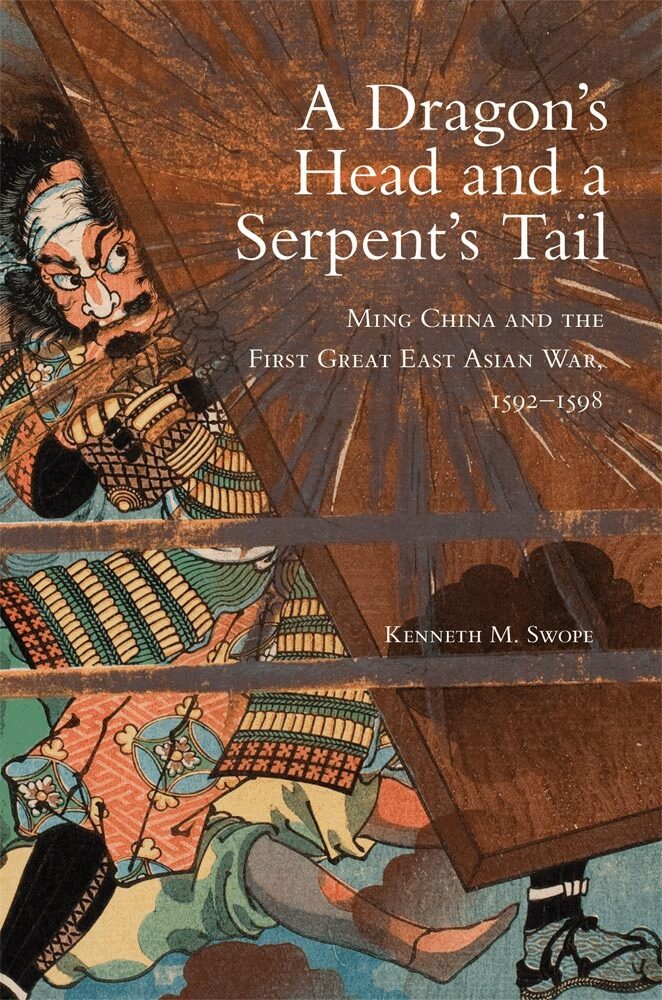
Dragon's Head and a Serpent's Tail
Ming China and the First Great East Asian War, 1592–1598
Häftad, 2016
284 kr
Lägg i varukorg
The invasion of Korea by Japanese troops in May of 1592 was no ordinary military expedition: it was one of the decisive events in Asian history and the most tragic for the Korean peninsula until the mid-twentieth century. Japanese overlord Toyotomi Hideyoshi envisioned conquering Korea, Ming China, …
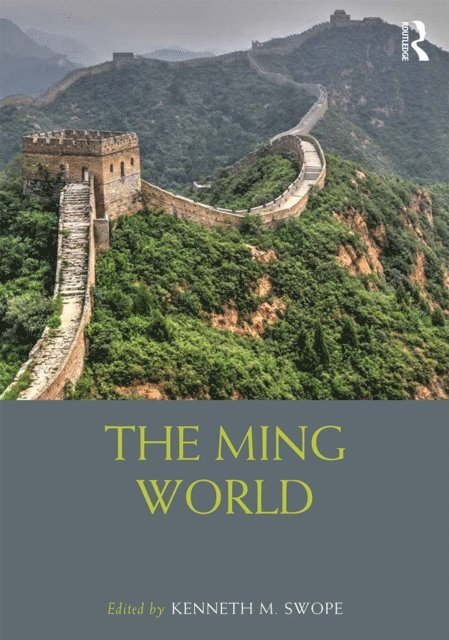
Ming World
E-bok, 2019
907 kr
Lägg i varukorg
The Ming World draws together scholars from all over the world to bring China’s Ming Dynasty (1368-1662) to life, exploring recent scholarly trends and academic debates that highlight the dynamism of the Ming and its key place in the early modern world. The book is designed to replicate the …
Ming World
E-bok, 2019
907 kr
Lägg i varukorg
The Ming World draws together scholars from all over the world to bring China’s Ming Dynasty (1368-1662) to life, exploring recent scholarly trends and academic debates that highlight the dynamism of the Ming and its key place in the early modern world. The book is designed to replicate the …
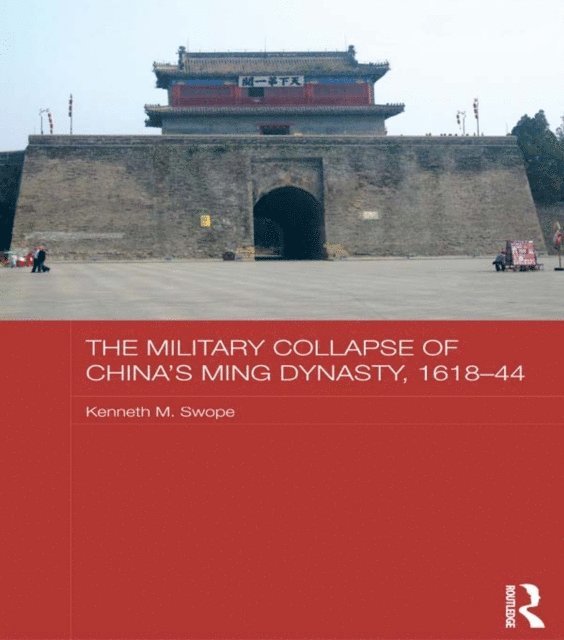
Military Collapse of China's Ming Dynasty, 1618-44
E-bok, 2014
855 kr
Lägg i varukorg
This book examines the military collapse of China’s Ming Dynasty to a combination of foreign and domestic foes. The Ming’s defeat was a highly surprising development, not least because as recently as in the 1590s the Ming had managed to defeat a Japanese force considered to be perhaps the most …
Military Collapse of China's Ming Dynasty, 1618-44
E-bok, 2014
855 kr
Lägg i varukorg
This book examines the military collapse of China’s Ming Dynasty to a combination of foreign and domestic foes. The Ming’s defeat was a highly surprising development, not least because as recently as in the 1590s the Ming had managed to defeat a Japanese force considered to be perhaps the most …
Ming World
Inbunden, 2019
3917 kr
Lägg i varukorg
The Ming World draws together scholars from all over the world to bring China’s Ming Dynasty (1368-1662) to life, exploring recent scholarly trends and academic debates that highlight the dynamism of the Ming and its key place in the early modern world. The book is designed to replicate the …
Early Modern East Asia
War, Commerce, and Cultural Exchange
Av Kenneth M. Swope, Tonio Andrade
Inbunden, 2017
3165 kr
Lägg i varukorg
This book presents a great deal of new primary research on a wide range of aspects of early modern East Asia. Focusing primarily on maritime connections, the book explores the importance of international trade networks, the implications of technological dissemination, and the often unforeseen …
Military Collapse of China's Ming Dynasty, 1618-44
Häftad, 2016
744 kr
Lägg i varukorg
This book examines the military collapse of China’s Ming Dynasty to a combination of foreign and domestic foes. The Ming’s defeat was a highly surprising development, not least because as recently as in the 1590s the Ming had managed to defeat a Japanese force considered to be perhaps the most …
Early Modern East Asia
War, Commerce, and Cultural Exchange
Av Tonio Andrade, Kenneth M. Swope
E-bok, 2017
963 kr
Lägg i varukorg
This book presents a great deal of new primary research on a wide range of aspects of early modern East Asia. Focusing primarily on maritime connections, the book explores the importance of international trade networks, the implications of technological dissemination, and the often unforeseen …
Early Modern East Asia
War, Commerce, and Cultural Exchange
Av Tonio Andrade, Kenneth M. Swope
E-bok, 2017
942 kr
Lägg i varukorg
This book presents a great deal of new primary research on a wide range of aspects of early modern East Asia. Focusing primarily on maritime connections, the book explores the importance of international trade networks, the implications of technological dissemination, and the often unforeseen …