Kenneth Moffett - Böcker
Visar alla böcker från författaren Kenneth Moffett. Handla med fri frakt och snabb leverans.
5 produkter
5 produkter
575 kr
Skickas inom 10-15 vardagar
This book explores political expression of members of Generation Z old enough to vote in 2018 and 2020 on issues and movements including MeToo, Supreme Court nominations, March for Our Lives, immigration and family separation, and Black Lives Matter. Since generational dividing lines blur, we study 18 to 25-year-olds, capturing the oldest members of Generation Z along with the youngest Millennials. They share similarities both in their place in the life cycle and experiences of potentially defining events. Through examining some movements led by young adults and others led by older generations, as well as issues with varying salience, core theories are tested in multiple contexts, showing that when young adults protest or post about movements they align with, they become mobilized to participate in other ways, too, including contacting elected officials, which heightens the likelihood of their voices being heard in the halls of power.Perfect for students and courses in a variety of departments at all levels, the book is also aimed at readers curious about contemporary events and emerging political actors.
2 171 kr
Skickas inom 10-15 vardagar
This book explores political expression of members of Generation Z old enough to vote in 2018 and 2020 on issues and movements including MeToo, Supreme Court nominations, March for Our Lives, immigration and family separation, and Black Lives Matter. Since generational dividing lines blur, we study 18 to 25-year-olds, capturing the oldest members of Generation Z along with the youngest Millennials. They share similarities both in their place in the life cycle and experiences of potentially defining events. Through examining some movements led by young adults and others led by older generations, as well as issues with varying salience, core theories are tested in multiple contexts, showing that when young adults protest or post about movements they align with, they become mobilized to participate in other ways, too, including contacting elected officials, which heightens the likelihood of their voices being heard in the halls of power.Perfect for students and courses in a variety of departments at all levels, the book is also aimed at readers curious about contemporary events and emerging political actors.
234 kr
Skickas inom 7-10 vardagar
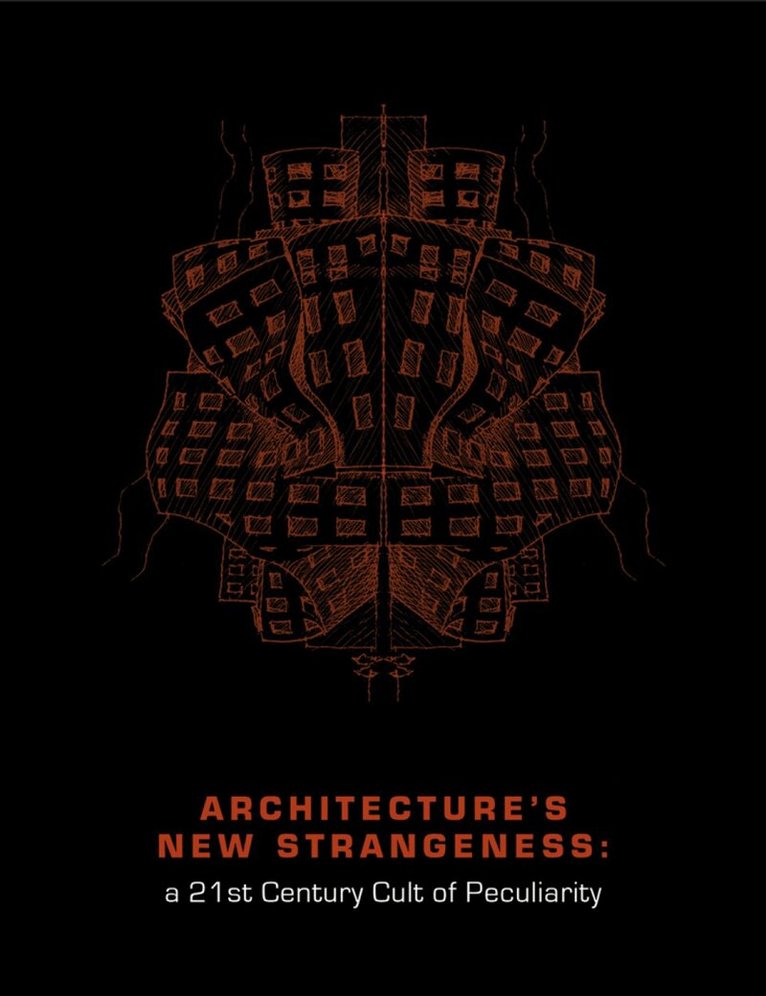
This book arose from two observations: that building design in the first decades of the 21st century accepts and pursues some increasingly odd and disturbing trends; and that there seems to be insufficient architectural criticism that calls these trends to account. Several factors appear to be behind these trends. Remarkable advances in the power of computer programming, permitting the simulation, manipulation and documentation of complex and continuously varying surfaces and volumes are surely one factor, opening the door to design opportunities that are unprecedented and have thus not stood the test of time. Another powerful factor would be the combination of wealth polarisation and the growing influence in the modern world of authoritarian regimes. The latter have the power to unilaterally call for huge projects of untested design merits. Also the proliferation of the ultra-rich in the modern world - oligarchs, sheiks, emperors of tech - has likewise facilitated the proliferation of often bizarre architecture that serves ego far more than the marketplace. An analysis of such factors is not, however, the main mission of the book. Rather, the mission was to take up that seemingly neglected role of architectural critic with respect to these trends of concern and a selection of some specific exemplars. An early decision was to not include the project type of single-family housing, it being such easy prey - whether developer-bland, mcmansion-hell or all-white-minimal - that it appeared a bit unseemly to complain about it. Thus the book’s subjects come primarily from the worlds of commercial and institutional architecture. In short order the apparent chaos of oddities that my research assembled fell into the taxonomy that is the structure of the book, its main headings being Obscuration, Fragmentation, Deformation, and Degradation. Subheadings within these main topics feature critiques of individual works, supplemented with 120 hand-drawn illustrations. The book takes a somewhat acerbic tone, to distance the narrative from the rather serious and high-minded approach to written material that the subject seems prey to.
270 kr
Skickas inom 7-10 vardagar
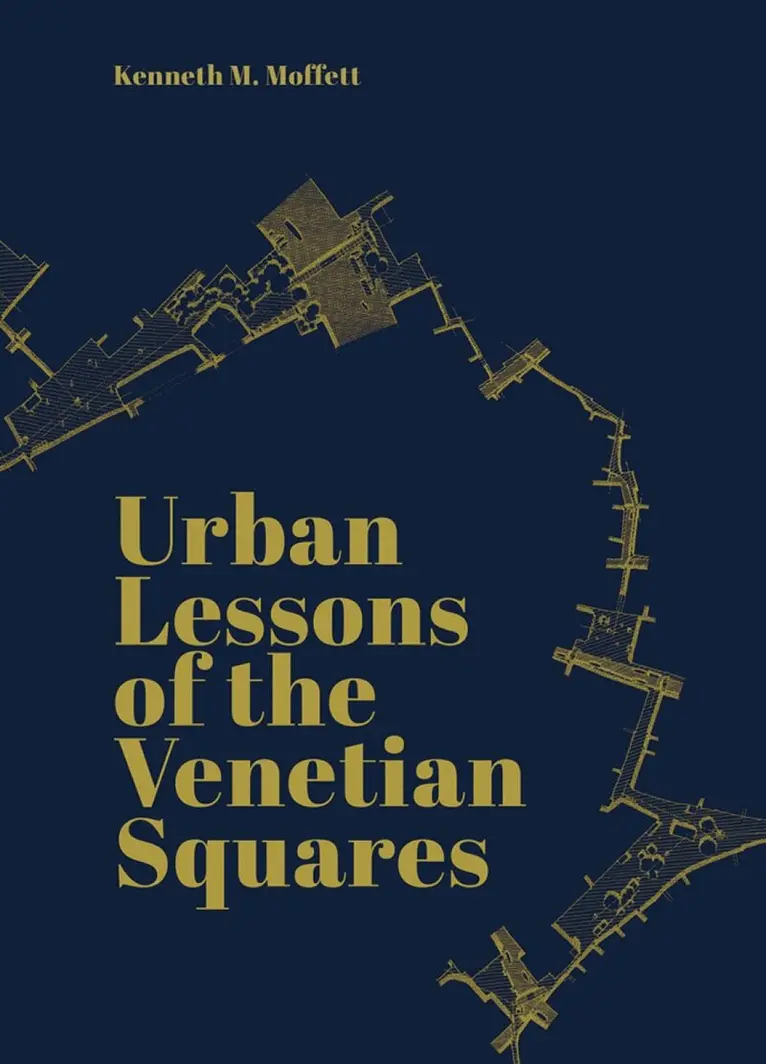
The first part of the book is both a homage to the nature and appeal of the squares of Venice and an analysis of their physical qualities in urbanistic terms.The Venetian settings were chosen for their freedom from auto traffic, streets, or peculiarities of topography. The narrative then takes those insights and applies them in a corresponding examination of a wide variety of modern-day urban spaces in America, to determine which are being emulated today and which less so.
296 kr
Skickas
A long-deserved survey, of the everyday building types that line our suburban roads and parking lots, affords an informative and diverting critique of their architectural and socio-cultural foibles.This project began with an essay on the “McMansion” phenomenon, and it grew to become a meditation on the assorted different building types that are found in every American city and suburb. While it’s true that good buildings do exist for each of those categories, they are very much the exception, these buildings more typically ranging from dull to assertively ugly. The book is meant to be a fairly pitiless and revealing look at this “vast wasteland,” with an architect’s hat on but without resort to the profession’s fads and verbiages. Several natural categories inform the organisation of the contents, including commercial, residential, and institutional, even including cars and other manifestations of “architecture on the move” that have also lost their way in stylistic terms. The writing includes capsule histories of many of the building types included, plus some lesser known facts and some sidebars on socio-cultural aspects which make up much of one’s experience of these places. Stylistically, a bit of an acerbic tone makes for diverting as well as informative reading.