Kenneth S. Coates – författare
Visar alla böcker från författaren Kenneth S. Coates. Handla med fri frakt och snabb leverans.
3 produkter
3 produkter
Inbunden, Engelska, 2015
1 693 kr
Skickas inom 3-6 vardagar
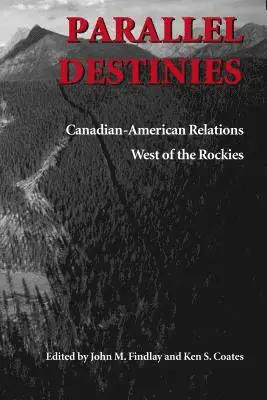
The Canadian West and the American Northwest offer a valuable setting for considering issues of borders and borderlands. The regions contain certain similarities, and during the first half of the nineteenth century they were even grouped together as a distinct political and economic unit, called the "Oregon Country" by Americans and the "Columbia Department" of the Hudson's Bay Company by the British.The essays in this volume -- which grew out of a conference commemorating the Oregon Treaty of 1846 -- view the boundary between Canada and the United States as a dividing line and also as a regional backbone, with people on each side of the border having key experiences and attitudes in common. In their eloquence and scope, they illustrate how historical study of Canadian-American relations in the West calls into question the parameters of the nation-state.The border has not had a single constant meaning; rather, its significance has changed over time and varied from group to group. The essays in Part One concern the movement of peoples and capital across a relatively permeable boundary during the nineteenth century. Many people in this era--especially Natives, miners, immigrants, and capitalists--did not regard the international boundary as particularly important. Part Two considers how the United States and Canada took pains to strengthen and enforce the international boundary during the twentieth century. In this era, the nation-state became more assertive about defining and defending the borderline. Part Three offers considerations of the distinctions, both real and imagined, that emerged during the nineteenth and twentieth centuries between Canada and the United States. Its essays examine different schools of history, divergent ideas toward wilderness, and the influence of anti-Americanism on Canadians' view of national development in North America.
Häftad, Engelska, 2015
245 kr
Skickas inom 10-15 vardagar
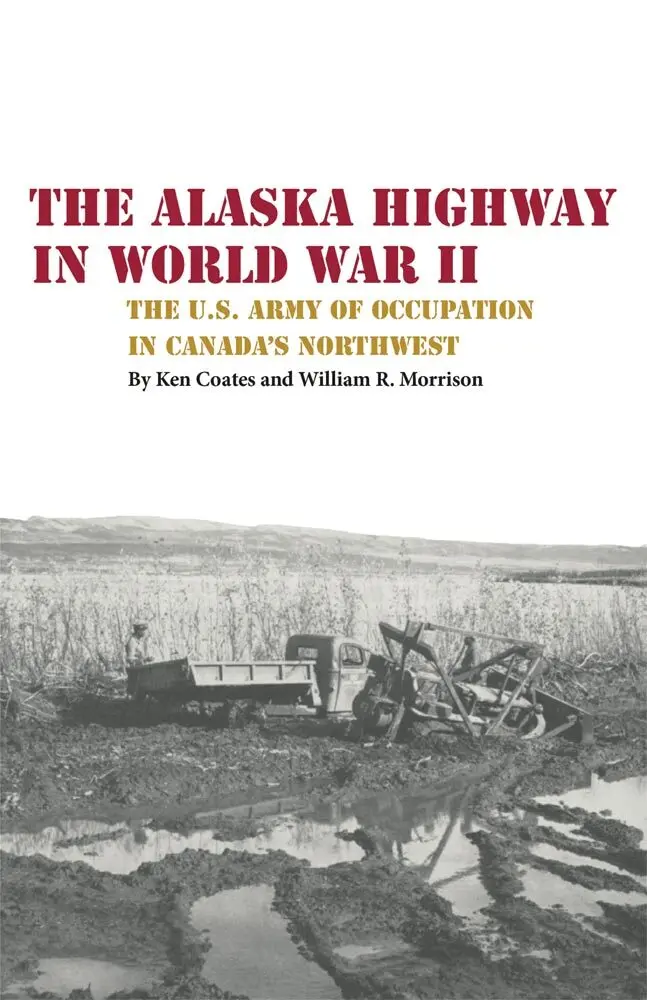
After the Japanese attack on Pearl Harbor, a fear of invasion swept North America - particularly the West Coast. Immediate steps needed to be taken to defend the Far Northwest. With Canada's approval, Washington drew up plans for an Alaska Highway to connect Edmonton, Alberta, with Fairbanks, Alaska, and a pipeline to connect oil fields in the Northwest Territories with the Pacific Coast. Between 1942 and 1946, about 40,000 American military and civilian personnel invaded the Canadian Northwest.Where there had been few or no roads, a highway more than 1,500 miles long was built in less than a year. Navigation facilities were improved, and pipelines were laid from Fairbanks to the Pacific. Airfields were upgraded and new ones built, and a telephone network was constructed. The Northwest was totally unprepared for this friendly invasion. The Alaska Highway ran through semi-wilderness where many inhabitants pursued a nomadic lifestyle, and towns and settlements were overwhelmed by the American ""army of occupation.""This lively history of an American civil and military engineering milestone draws on interviews with veterans and local residents and research in Canadian and U.S. archives. The participants' stories provide humor and insights on the building of this transformational highway.
Häftad, Engelska, 2015
418 kr
Skickas inom 3-6 vardagar
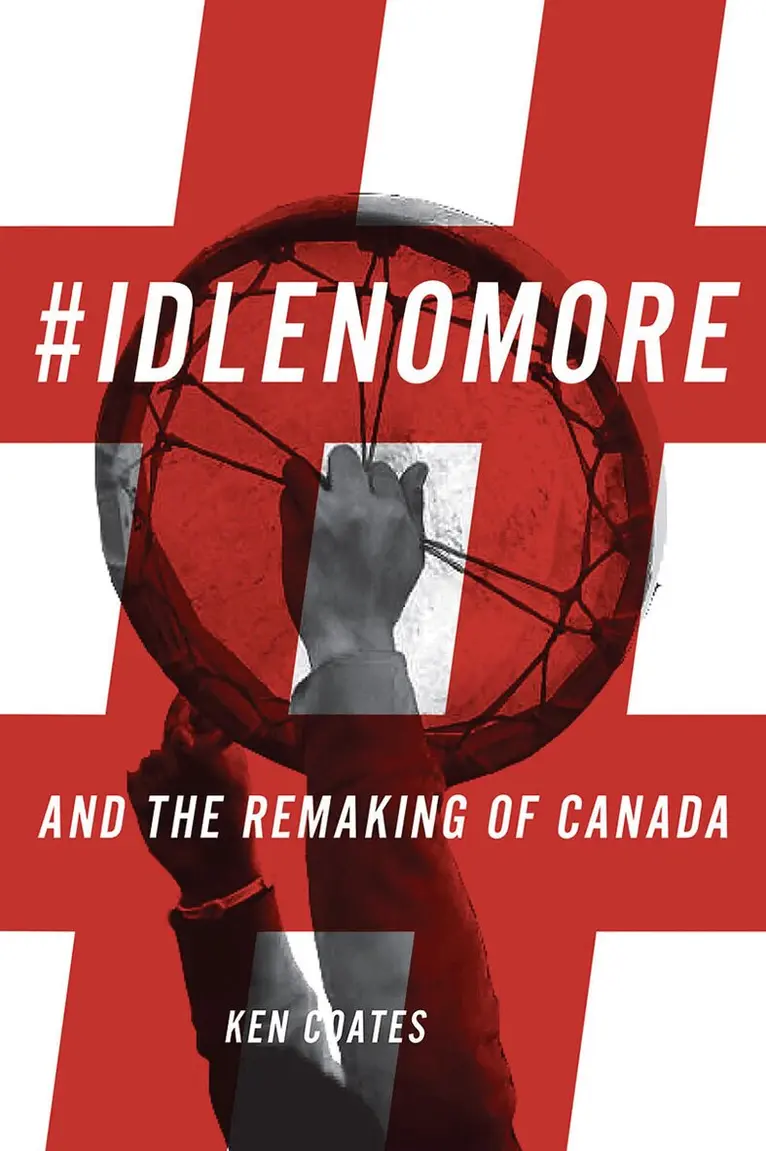
Idle No More bewildered many Canadians. Launched by four women in Saskatchewan in reaction to a federal omnibus budget bill, the protest became the most powerful demonstration of Aboriginal identity in Canadian history. Thousands of Aboriginal people and their supporters took to the streets, shopping malls, and other venues, drumming, dancing, and singing in a collective voice. Idle No More lasted for almost a year before the rallies dissipated. Many observers described it as a spent force. It was anything but. Idle No More was the most profound declaration of Indigenous identity and confidence in Canadian history, sparked by Aboriginal women and their supporters, sustained by young Indigenous peoples, filled with pride and determination. When the drums slowed, a new and different Canada was left in its wake. Partially stunned by the peaceful celebrations, but perplexed by a movement that seemed to have no centre and no leaders, most Canadians missed the point. Through Idle No More, Aboriginal people have declared that they are a vital and necessary part of Canada's future. The spirit of the drumming, singing and dancing lives on in empowered and confident young Aboriginal people who will shape the future of this country for decades to come.