Kent Maynard – författare
Visar alla böcker från författaren Kent Maynard. Handla med fri frakt och snabb leverans.
7 produkter
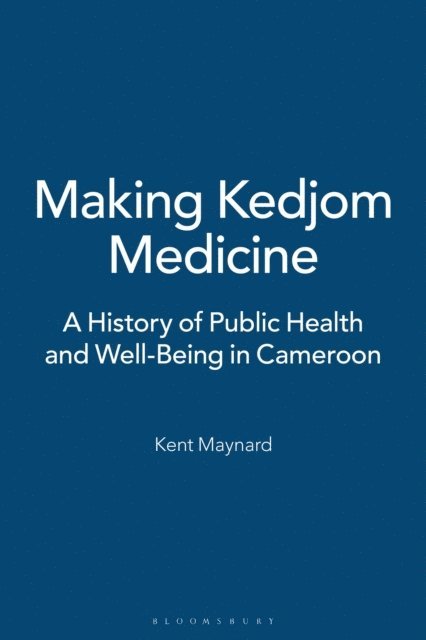
Making Kedjom Medicine
A History of Public Health and Well-Being in Cameroon
Av Kent Maynard
E-bok, 2004
935 kr
Lägg i varukorg
Conceptions of medicine and medical practice among the Kedjom peoples in Cameroon embrace more than western biomedical understandings of medicine. For these peoples, medicine implies substances, knowledge, practices and institutions bound up with protection and intervention against misfortune and …
Making Kedjom Medicine
A History of Public Health and Well-Being in Cameroon
Av Kent Maynard
Inbunden, 2004
880 kr
Lägg i varukorg
Sunk Like God Behind the House
Av Kent Maynard
E-bok, 2013
92 kr
Lägg i varukorg
Drawing upon his experiences and knowledge as a professional anthropologist, Kent Maynard takes readers on a sensory journey through the cultures and landscapes of a fascinating and foreign world.
Sunk Like God Behind the House
Av Kent Maynard
E-bok, 2013
92 kr
Lägg i varukorg
Drawing upon his experiences and knowledge as a professional anthropologist, Kent Maynard takes readers on a sensory journey through the cultures and landscapes of a fascinating and foreign world.
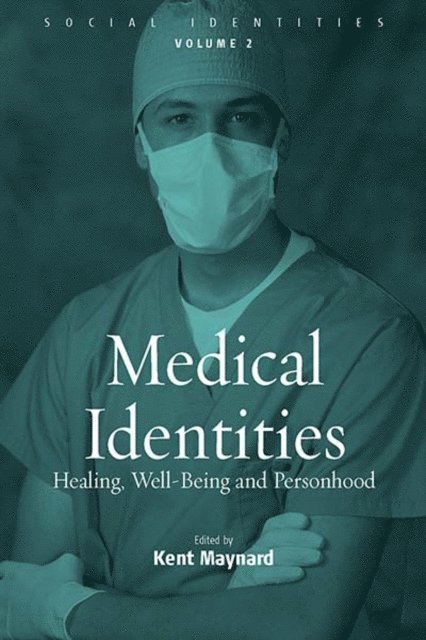
Medical Identities
Healing, Well Being and Personhood
Av Kent Maynard
E-bok, 2007
386 kr
Lägg i varukorg
Illness and misfortune more broadly are ubiquitous; thus, healing roles or professions are also universal. Ironically, however, little attention has been paid to those who heal or promote wellbeing. These come in many different guises: in some societies, healing is highly professional and …
Medical Identities
Healing, Well Being and Personhood
Av Kent Maynard
Inbunden, 2007
1979 kr
Lägg i varukorg
Illness and misfortune more broadly are ubiquitous; thus, healing roles or professions are also universal. Ironically, however, little attention has been paid to those who heal or promote wellbeing. These come in many different guises: in some societies, healing is highly professional and …
Medical Identities
Healing, Well Being and Personhood
Av Kent Maynard
Häftad, 2007
467 kr
Lägg i varukorg
Illness and misfortune more broadly are ubiquitous; thus, healing roles or professions are also universal. Ironically, however, little attention has been paid to those who heal or promote wellbeing. These come in many different guises: in some societies, healing is highly professional and …