Kent R. Weeks - Böcker
Visar alla böcker från författaren Kent R. Weeks. Handla med fri frakt och snabb leverans.
7 produkter
7 produkter
661 kr
Skickas inom 5-8 vardagar
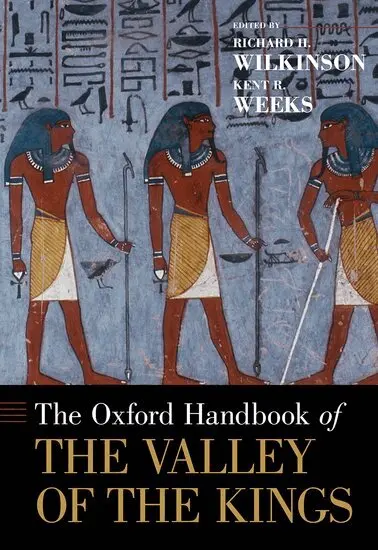
The royal necropolis of New Kingdom Egypt, known as the Valley of the Kings (KV), is one of the most important--and celebrated--archaeological sites in the world. Located on the west bank of the Nile river, about three miles west of modern Luxor, the valley is home to more than sixty tombs, all dating to the second millennium BCE. The most famous of these is the tomb of Tutankhamun, first discovered by Howard Carter in 1922. Other famous pharaoh's interred here include Hatshepsut, the only queen found in the valley, and Ramesses II, ancient Egypt's greatest ruler. Much has transpired in the study and exploration of the Valley of the Kings over the last few years. Several major discoveries have been made, notably the many-chambered KV5 (tomb of the sons of Ramesses II) and KV 63, a previously unknown tomb found in the heart of the valley. Many areas of the royal valley have been explored for the first time using new technologies, revealing ancient huts, shrines, and stelae. New studies of the DNA, filiation, cranio-facial reconstructions, and other aspects of the royal mummies have produced important and sometimes controversial results. The Oxford Handbook of the Valley of the Kings provides an up-to-date and thorough reference designed to fill a very real gap in the literature of Egyptology. It will be an invaluable resource for scholars, teachers, and researchers with an interest in this key area of Egyptian archaeology. First, introductory chapters locate the Valley of the Kings in space and time. Subsequent chapters offer focused examinations of individual tombs: their construction, content, development, and significance. Finally, the book discusses the current status of ongoing issues of preservation and archaeology, such as conservation, tourism, and site management. In addition to recent work mentioned above, aerial imaging, remote sensing, studies of the tombs' architectural and decorative symbolism, problems of conservation management, and studies of KV-related temples are just some of the aspects not covered in any other work on the Valley of the Kings. This volume promises to become the primary scholarly reference work on this important World Heritage Site.
134 kr
Tillfälligt slut
184 kr
Skickas inom 5-8 vardagar
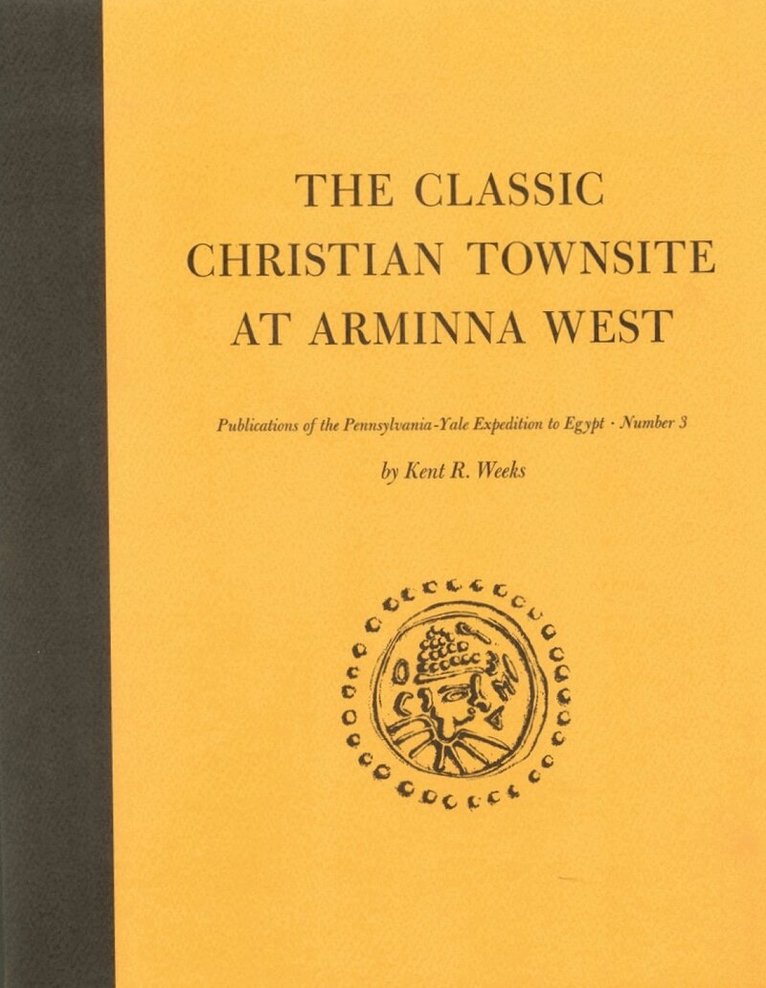
An illustrated report on the 1963 excavation of a town in Lower Nubia which dated to the Christian Period which reached its zenith between c.AD 850 and 1100. Includes a general discussion of the town's history and its relations with Egypt and the rest of Nubia.
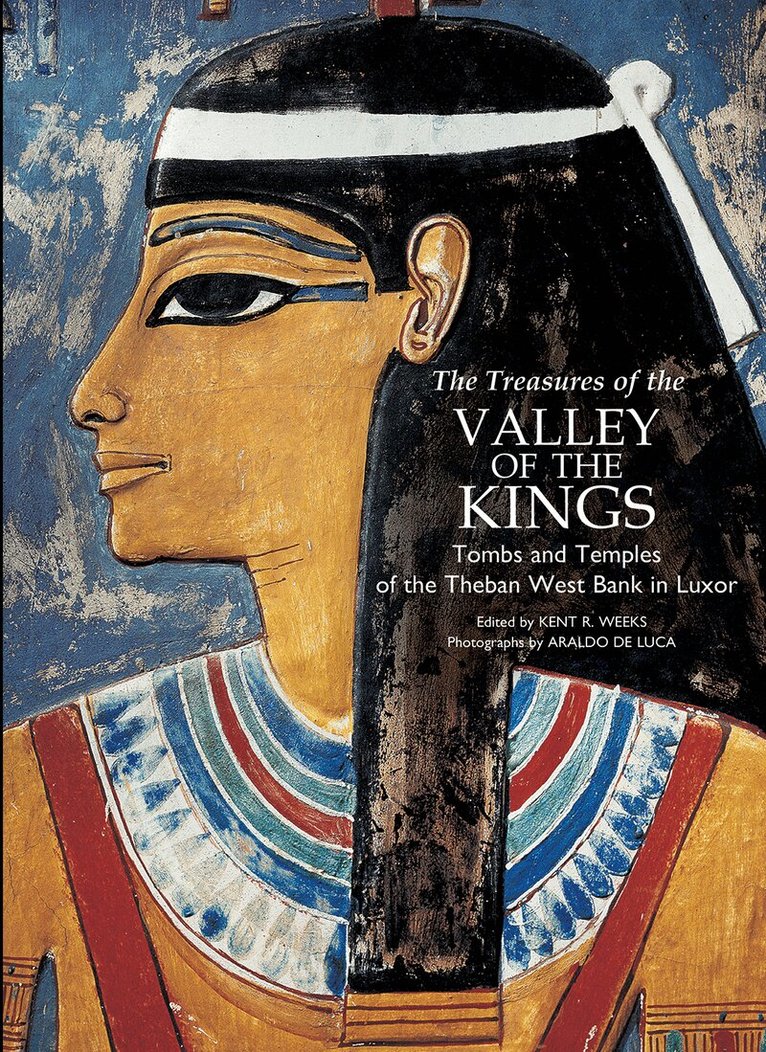
Treasures of the Valley of the Kings
Tombs and Temples of the Theban West Bank in Luxor
Häftad, Engelska, 2023
366 kr
Tillfälligt slut
Take a spectacular armchair voyage to one of earth's most magnificent and ancient sites: Egypt's Valley of the Kings. This exquisitely produced guide is lavishly illustrated with more than 800 pictures (including archeological reconstruction drawings); six gatefolds; and the finest paper. Conducted by a team of world-acknowledged experts who provide the most up-to-date information, this virtual guidebook to Egypt's greatest treasures is the perfect mix of artistic brilliance and scholarly research. The Valley of the Kings and the tombs of the nobles are, with the pyramids of Giza, among the world's best-known sites. Yet a significant portion of this remarkable place remains unseen by most who visit - but this illuminating and spectacularly produced volume fully maps both the artistic and the architectural features of the tombs. Renowned photographer Araldo De Luca was granted full access to these ancient wonders, and he provides unrivalled colour images of the funerary temples and private necropolises. An exploration of their structures and embellishments features plans, photos, drawings of motifs, and hieroglyphs. To complete the presentation: walking itineraries in the Theban mountains are shown from many unusual vantage points, making this book a visual treat, and an extraordinary adventure, for real and armchair travellers alike.
428 kr
Skickas inom 5-8 vardagar
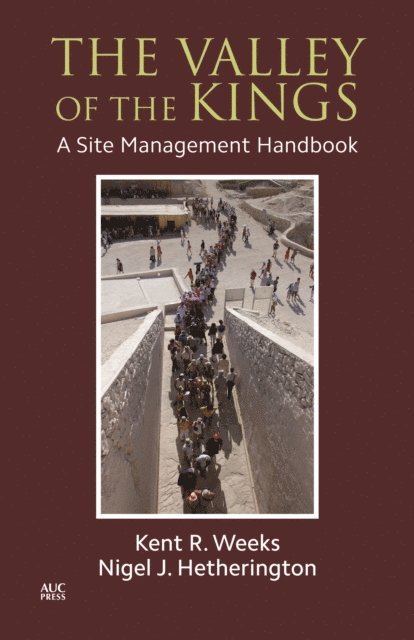
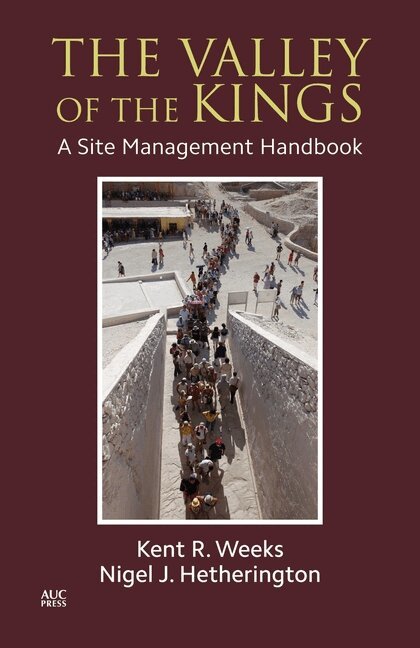
During the New Kingdom (c. 1570-1070 BCE), the Valley of the Kings was the burial place of Egypt's pharaohs, including such powerful and famous rulers as Amenhotep III, Rameses II, and Tutankhamen. They were buried here in large and beautifully decorated tombs that have become among the country's most visited archaeological sites. The tourists contribute millions of badly needed dollars to Egypt's economy. But because of inadequate planning, these same visitors are destroying the very tombs they come to see. Crowding, pollution, changes in the tombs' air quality, ever-growing tourist infrastructure-all pose serious threats to the Valley's survival.This volume, the result of twenty-five years of work by the Theban Mapping Project at the American University in Cairo, traces the history of the Valley of the Kings and offers specific proposals to manage the site and protect its fragile contents. At the same time, it recognizes the need to provide a positive experience for the thousands of visitors who flock here daily.This is the first major management plan developed for any Egyptian archaeological site, and as its proposals are implemented, they offer a replicable model for archaeologists, conservators, and site managers throughout Egypt and the region.Published in both English and Arabic editions and supported by the World Monuments Fund, this critical study will help to ensure the survival of Egypt's patrimony in a manner compatible with the country's heavy reliance on tourism income.
221 kr
Skickas inom 5-8 vardagar
During the New Kingdom (c. 1570–1070 BCE), the Valley of the Kings was the burial place of Egypt’s pharaohs, including such powerful and famous rulers as Amenhotep III, Rameses II, and Tutankhamen. They were buried here in large and beautifully decorated tombs that have become among the country’s most visited archaeological sites. The tourists contribute millions of badly needed dollars to Egypt’s economy. But because of inadequate planning, these same visitors are destroying the very tombs they come to see. Crowding, pollution, changes in the tombs’ air quality, ever-growing tourist infrastructure—all pose serious threats to the Valley’s survival.This volume, the result of twenty-five years of work by the Theban Mapping Project at the American University in Cairo, traces the history of the Valley of the Kings and offers specific proposals to manage the site and protect its fragile contents. At the same time, it recognizes the need to provide a positive experience for the thousands of visitors who flock here daily. This is the first major management plan developed for any Egyptian archaeological site, and as its proposals are implemented, they offer a replicable model for archaeologists, conservators, and site managers throughout Egypt and the region.Published in both English and Arabic editions and supported by the World Monuments Fund, this critical study will help to ensure the survival of Egypt’s patrimony in a manner compatible with the country’s heavy reliance on tourism income.
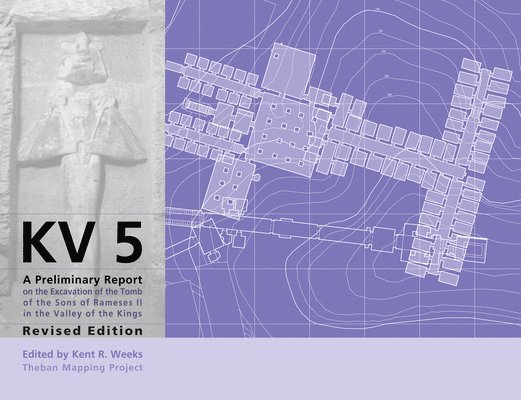
KV5
A Preliminary Report on the Excavation of the Tomb of the Sons of Ramesses II in the Valley of the Kings. Revised Edition
Häftad, Engelska, 2005
428 kr
Tillfälligt slut
The discovery in 1995 that a long-ignored doorway in the Valley of the Kings was actually the entrance to the largest tomb ever found in Egypt made headlines around the world. Called KV5, it contains over 150 corridors and chambers, and was used as a family mausoleum for several sons of the New Kingdom pharaoh, Ramesses II. The first edition of this preliminary report was the first comprehensive, technical publication on the work of the Theban Mapping Project in the tomb; it has now been revised and expanded to take account of the latest discoveries and analyses. It includes detailed archaeological and architectural studies, epigraphic surveys, object and pottery descriptions, discussions of conservation work, and extensive reports on the site’s geology, hydrology, mineralogy, and geotechnical engineering. Copiously illustrated with photographs and line drawings, KV5 is the essential source for the study of this fascinating and important tomb.