Kenta Yamamoto - Böcker
Visar alla böcker från författaren Kenta Yamamoto. Handla med fri frakt och snabb leverans.
2 produkter
2 produkter
Del 4 - International Perspectives in Geography
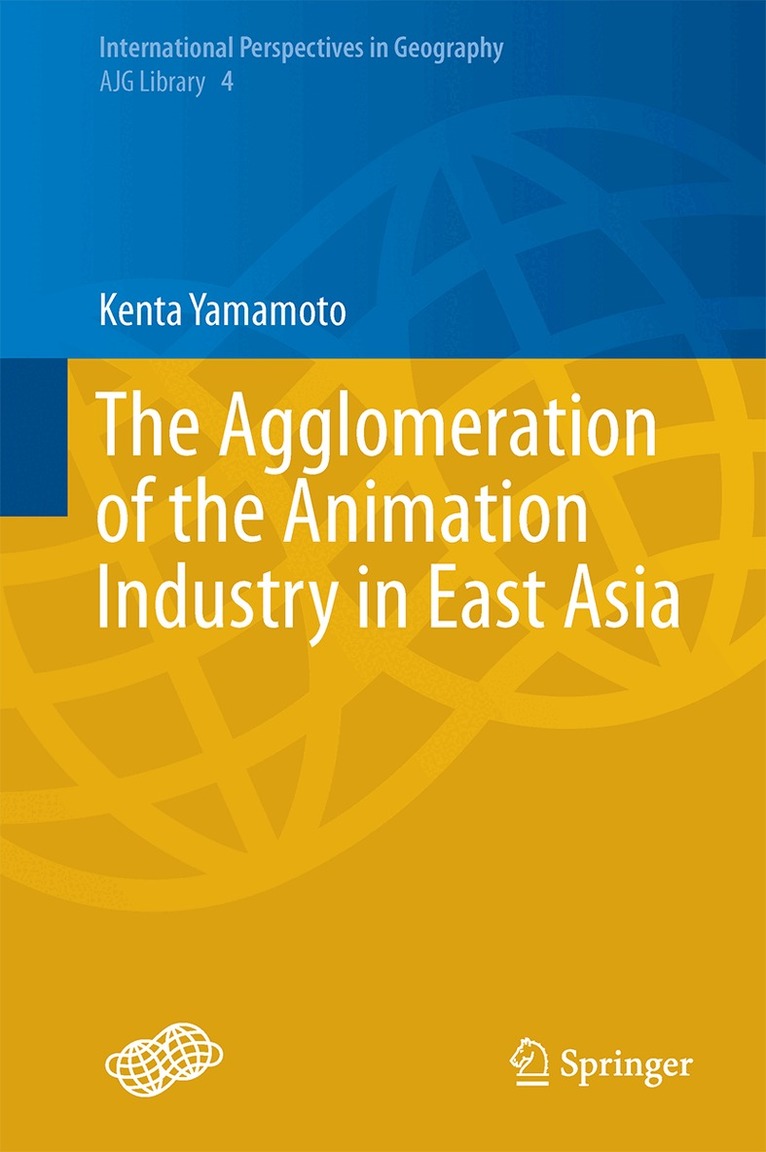
Agglomeration of the Animation Industry in East Asia
Inbunden, Engelska, 2014
1 092 kr
Skickas inom 10-15 vardagar
This book will be of interest to scholars and students of Asian studies, cultural industries, economic geography, and related areas of study. It discusses the results of a microscopic survey focusing on topics such as how animation studios form business relationships and how workers gain skills in the industry. The methodology was based on traditional Japanese economic geographical methods. The study also examines macroscopic issues such as why industrial agglomerations are formed in metropolises, why metropolises develop mutual networks, and how a type of cultural product is created in the metropolises. The methodology uses case studies of the animation industries in Japan, South Korea, and China. The detailed analysis covers the process of the industry’s agglomeration within the East Asian metropolises of Tokyo, Seoul, and Shanghai as well as the division of labor among them. In addition, the transaction relationships among animation studios are examined, together with the promotion of the industry in the peripheral region of Okinawa, Japan. Differences in work styles and output among these cities are also examined. The research presented in this book contributes to understanding the spatial structure and reality of creativity in an innovative industry, particularly the East Asian content industry.
Del 4 - International Perspectives in Geography
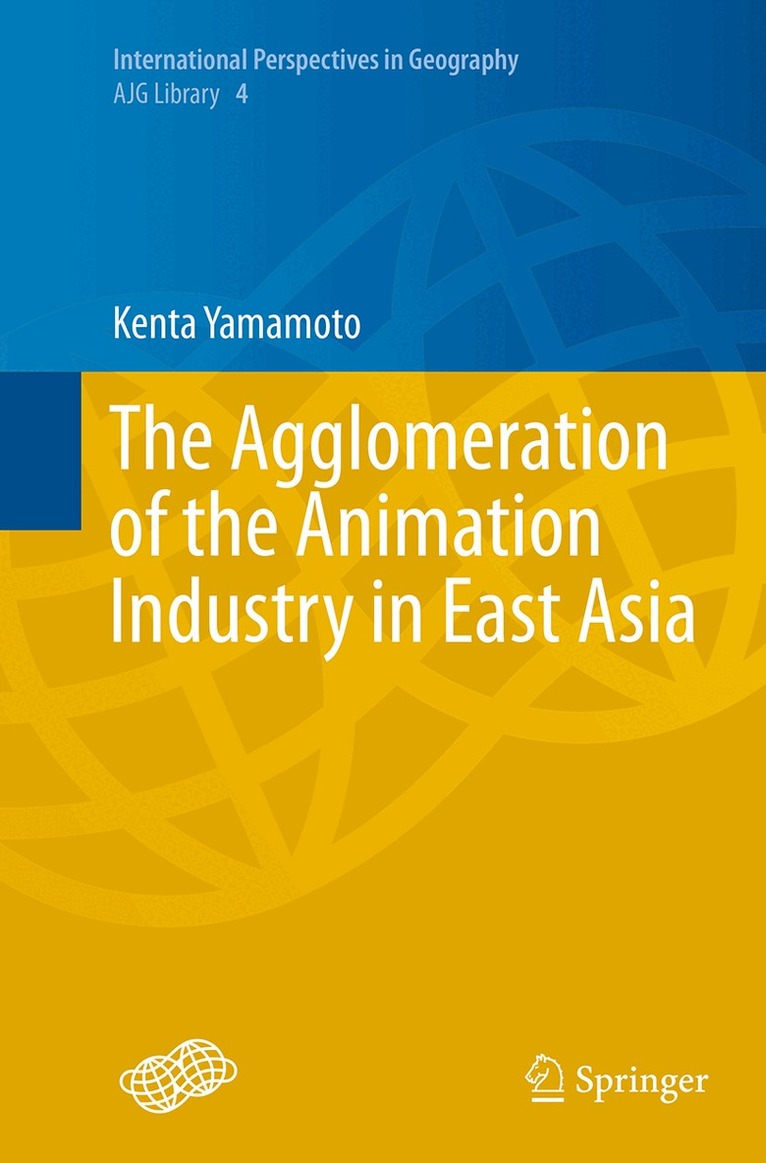
Agglomeration of the Animation Industry in East Asia
Häftad, Engelska, 2016
1 061 kr
Skickas inom 10-15 vardagar
This book will be of interest to scholars and students of Asian studies, cultural industries, economic geography, and related areas of study. It discusses the results of a microscopic survey focusing on topics such as how animation studios form business relationships and how workers gain skills in the industry. The methodology was based on traditional Japanese economic geographical methods. The study also examines macroscopic issues such as why industrial agglomerations are formed in metropolises, why metropolises develop mutual networks, and how a type of cultural product is created in the metropolises. The methodology uses case studies of the animation industries in Japan, South Korea, and China. The detailed analysis covers the process of the industry’s agglomeration within the East Asian metropolises of Tokyo, Seoul, and Shanghai as well as the division of labor among them. In addition, the transaction relationships among animation studios are examined, together with the promotion of the industry in the peripheral region of Okinawa, Japan. Differences in work styles and output among these cities are also examined. The research presented in this book contributes to understanding the spatial structure and reality of creativity in an innovative industry, particularly the East Asian content industry.