Keri Day - Böcker
Visar alla böcker från författaren Keri Day. Handla med fri frakt och snabb leverans.
4 produkter
4 produkter
168 kr
Skickas
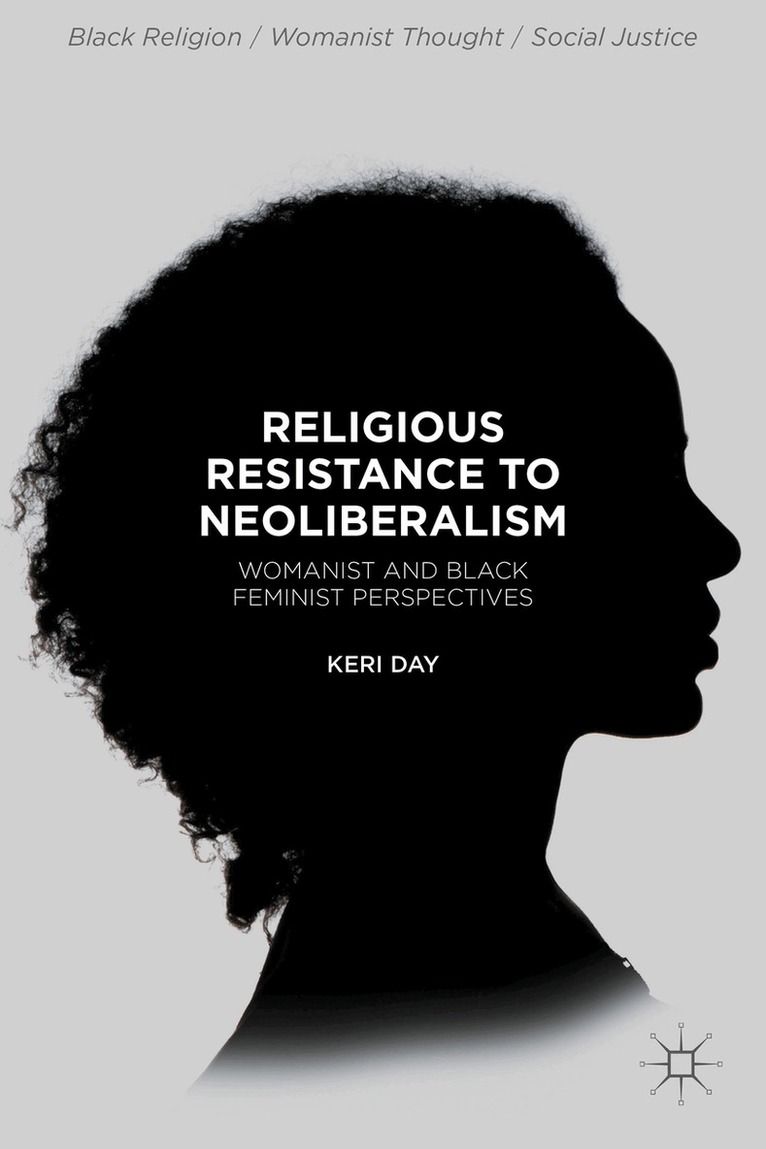
Religious Resistance to Neoliberalism
Womanist and Black Feminist Perspectives
Inbunden, Engelska, 2015
1 472 kr
Skickas inom 10-15 vardagar
Religious Resistance to Neoliberalism offers compelling and intersectional religious critiques of neoliberalism. Employing womanist and black feminist religious perspectives, this book provides six theoretical, theologically constructive arguments to challenge the moral fragmentation associated with global markets.
1 381 kr
Skickas inom 7-10 vardagar
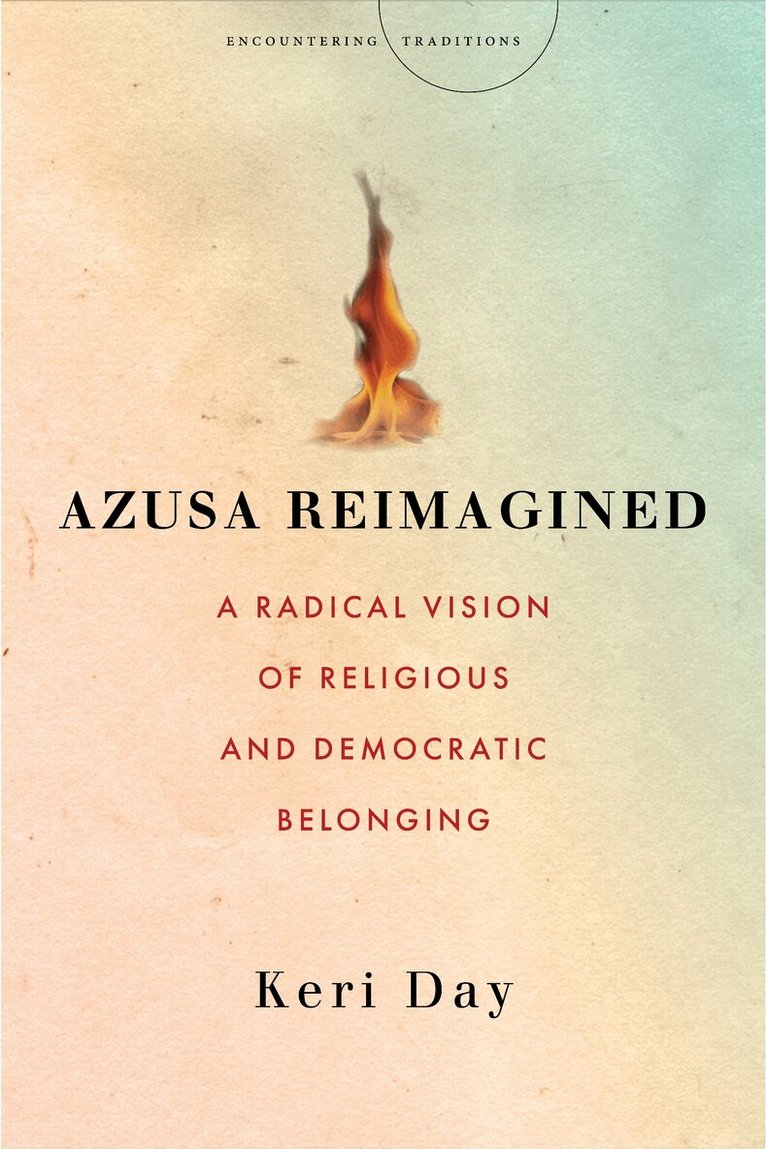
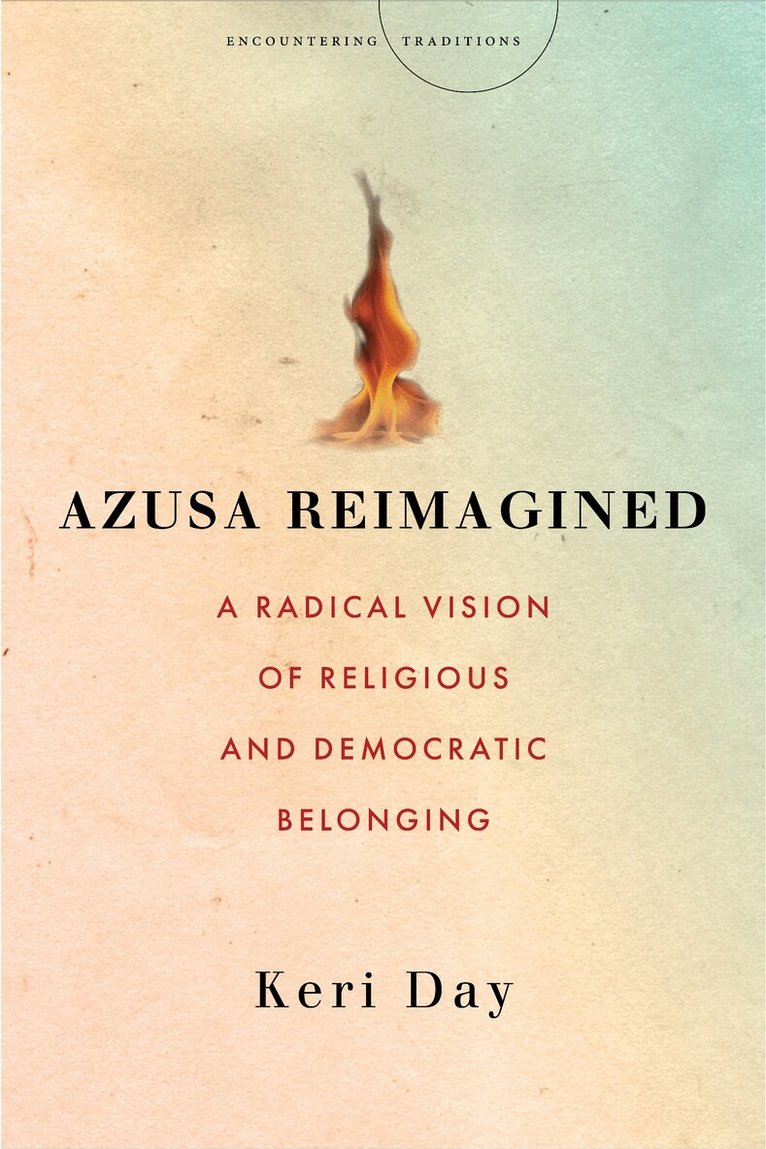
In Azusa Reimagined, Keri Day explores how the Azusa Street Revival of 1906, out of which U.S. Pentecostalism emerged, directly critiqued America's distorted capitalist values and practices at the start of the twentieth century. Employing historical research, theological analysis, and critical theory, Day demonstrates that Azusa's religious rituals and traditions rejected the racial norms and profit-driven practices that many white Christian communities gladly embraced. Through its sermons and social practices, the Azusa community critiqued racialized conceptions of citizenship that guided early capitalist endeavors such as world fairs and expositions. Azusa also envisioned deeper democratic practices of human belonging and care than the white nationalist loyalties early U.S. capitalism encouraged. In this lucid work, Day makes Azusa's challenge to this warped economic ecology visible, showing how Azusa not only offered a radical critique of racial capitalism but also offers a way for contemporary religious communities to cultivate democratic practices of belonging against the backdrop of late capitalism's deep racial divisions and material inequalities.
324 kr
Skickas inom 7-10 vardagar
In Azusa Reimagined, Keri Day explores how the Azusa Street Revival of 1906, out of which U.S. Pentecostalism emerged, directly critiqued America's distorted capitalist values and practices at the start of the twentieth century. Employing historical research, theological analysis, and critical theory, Day demonstrates that Azusa's religious rituals and traditions rejected the racial norms and profit-driven practices that many white Christian communities gladly embraced. Through its sermons and social practices, the Azusa community critiqued racialized conceptions of citizenship that guided early capitalist endeavors such as world fairs and expositions. Azusa also envisioned deeper democratic practices of human belonging and care than the white nationalist loyalties early U.S. capitalism encouraged. In this lucid work, Day makes Azusa's challenge to this warped economic ecology visible, showing how Azusa not only offered a radical critique of racial capitalism but also offers a way for contemporary religious communities to cultivate democratic practices of belonging against the backdrop of late capitalism's deep racial divisions and material inequalities.