Keri K. Stephens - Böcker
Visar alla böcker från författaren Keri K. Stephens. Handla med fri frakt och snabb leverans.
7 produkter
7 produkter
1 289 kr
Skickas inom 5-8 vardagar
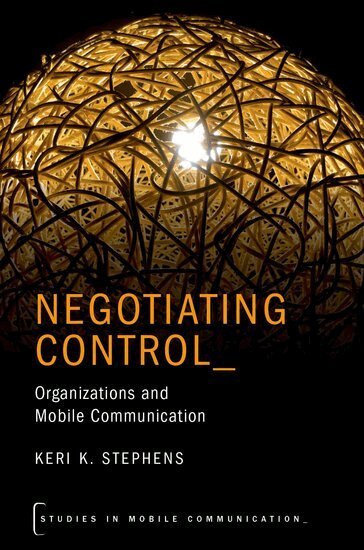
The fast-food worker finds refuge in a bathroom stall to respond to her boyfriend's fifth message in an hour. The human resources manager sees a colleague sending a stream of text messages during a meeting and quickly grabs her mobile to make sure she's also multitasking. These scenarios are common, but unique to the 21st century. Until the early 2000s, workplaces provided most of the computers and portable devices that employees used to perform their jobs and communicate with others. Today, people bring their own mobile devices to work and create new norms for how communication occurs in the workplace. Managers and organizations respond by setting and enforcing new policies that are intended to help them navigate the ever-changing mobile-communication environment. In Negotiating Control: Organizations and Mobile Communication, Keri K. Stephens responds to the struggles of employees, organizations, and even friends and family, as they try to understand new norms for connectedness in the workplace. Drawing on over two decades of her own research and fieldwork, , representing people in over 35 different types of jobs, Stephens claims that though people assume mobile communication is a uniform practice, there are underlying -- and often hidden -- issues of control and power at play, which shape how people are permitted and expected to use mobiles to communicate while working. The accounts Stephens offers reveal the many ways that these portable tools are actually used across work environments today, integrating information, communication, and data, and connecting people in expected and often conflicting ways.
482 kr
Skickas inom 5-8 vardagar
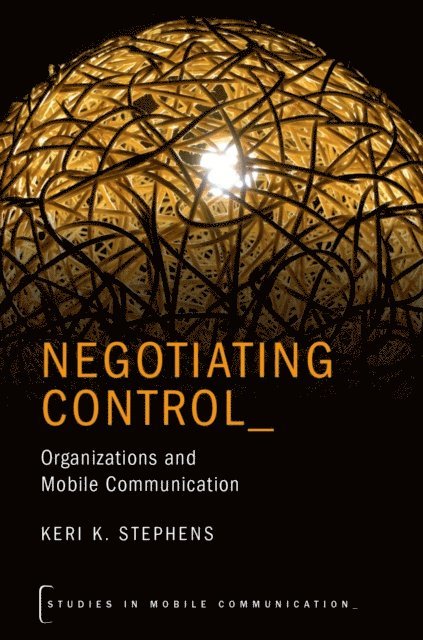
The fast-food worker finds refuge in a bathroom stall to respond to her boyfriend's fifth message in an hour. The human resources manager sees a colleague sending a stream of text messages during a meeting and quickly grabs her mobile to make sure she's also multitasking. These scenarios are common, but unique to the 21st century. Until the early 2000s, workplaces provided most of the computers and portable devices that employees used to perform their jobs and communicate with others. Today, people bring their own mobile devices to work and create new norms for how communication occurs in the workplace. Managers and organizations respond by setting and enforcing new policies that are intended to help them navigate the ever-changing mobile-communication environment. In Negotiating Control: Organizations and Mobile Communication, Keri K. Stephens responds to the struggles of employees, organizations, and even friends and family, as they try to understand new norms for connectedness in the workplace. Drawing on over two decades of her own research and fieldwork, , representing people in over 35 different types of jobs, Stephens claims that though people assume mobile communication is a uniform practice, there are underlying -- and often hidden -- issues of control and power at play, which shape how people are permitted and expected to use mobiles to communicate while working. The accounts Stephens offers reveal the many ways that these portable tools are actually used across work environments today, integrating information, communication, and data, and connecting people in expected and often conflicting ways.
2 103 kr
Skickas inom 10-15 vardagar
New Media in Times of Crisis provides an interdisciplinary look at research focused around how people organize during crises.Contributors examine the latest practices for communicating during crises, including evacuation practices, workplace safety challenges, crisis social media usage, and strategies for making emergency alerts on U.S. mobile phones constructive and helpful. The book is grounded in the practices of first responders, crisis communicators, people experiencing tragic events, and communities who organize on- and offline to make sense of their experiences. The authors draw upon a wide range of theories and frameworks with the goal of establishing new directions for research and practice.The text is suitable for advanced students and researchers in crisis, disaster, and emergency communication.
629 kr
Skickas inom 10-15 vardagar
New Media in Times of Crisis provides an interdisciplinary look at research focused around how people organize during crises.Contributors examine the latest practices for communicating during crises, including evacuation practices, workplace safety challenges, crisis social media usage, and strategies for making emergency alerts on U.S. mobile phones constructive and helpful. The book is grounded in the practices of first responders, crisis communicators, people experiencing tragic events, and communities who organize on- and offline to make sense of their experiences. The authors draw upon a wide range of theories and frameworks with the goal of establishing new directions for research and practice.The text is suitable for advanced students and researchers in crisis, disaster, and emergency communication.
2 171 kr
Kommande
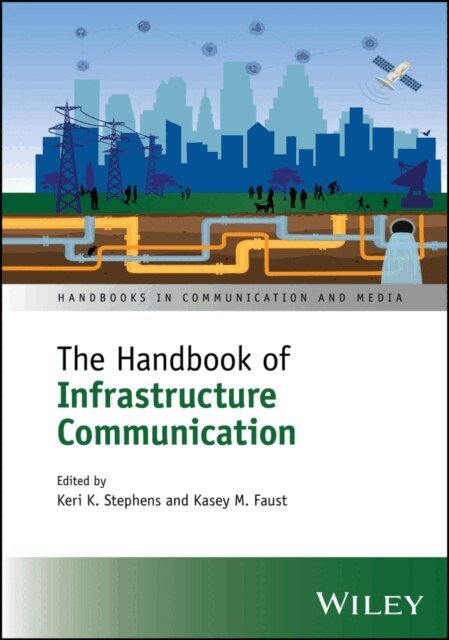
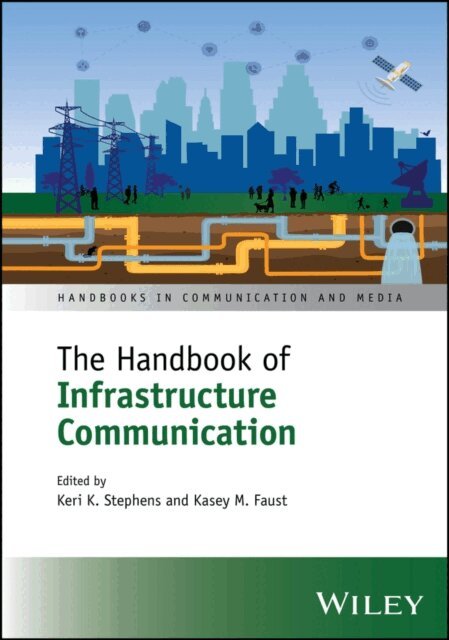
Presents groundbreaking approaches for bridging engineering expertise and human-centered communication in infrastructure systems Infrastructure systems sustain daily life yet are often overlooked until they fail, at which point communication gaps can hinder effective responses and solutions. The Handbook of Infrastructure Communication addresses this critical challenge by establishing ”infrastructure communication” as a distinct interdisciplinary field. Bringing together insights from engineering, communication science, and social science, this handbook offers practical frameworks for translating complex technical information across disciplinary and stakeholder boundaries. The Handbook is organized into six parts, covering foundations of infrastructure communication, physical systems such as water, transportation, and energy, digital communication ecosystems, social networks, cross-cultural strategies, and crisis communication during disasters. Each section combines theoretical analysis with applied examples, including discussions of underserved communities, the integration of AI in infrastructure, and the unique vulnerabilities exposed during extreme weather events. The contributors—engineers, communication researchers, social justice experts, and practitioners—offer diverse perspectives while embedding human-centered approaches within infrastructure planning and management. Throughout the book, in-depth yet accessible chapters demonstrate how effective communication can secure investments, enhance resilience, and ensure infrastructure meets the needs of society at large. Equipping readers to foster collaboration and create infrastructure that is technically sound and socially supported, this reference work: Examines social and cultural contexts that shape public acceptance and equitable access to infrastructureProvides frameworks for engaging communities in decision-making and addressing systemic inequitiesOffers practical strategies for communicating numeric complexity and visualizing technical information effectivelyHighlights resilience strategies for crises, including wildfires, floods, and severe weather eventsReviews funding mechanisms and interdisciplinary approaches relevant to current U.S. and global initiativesThe Handbook of Infrastructure Communication is ideal for advanced undergraduates, graduate students, and scholars in engineering, communication, and urban planning, as well as professionals in infrastructure policy and management. It is particularly well-suited for courses in systems engineering, organizational communication, environmental communication, and urban design, and serves as an essential reference for engineers, planners, policymakers, and crisis communicators.
1 747 kr
Kommande
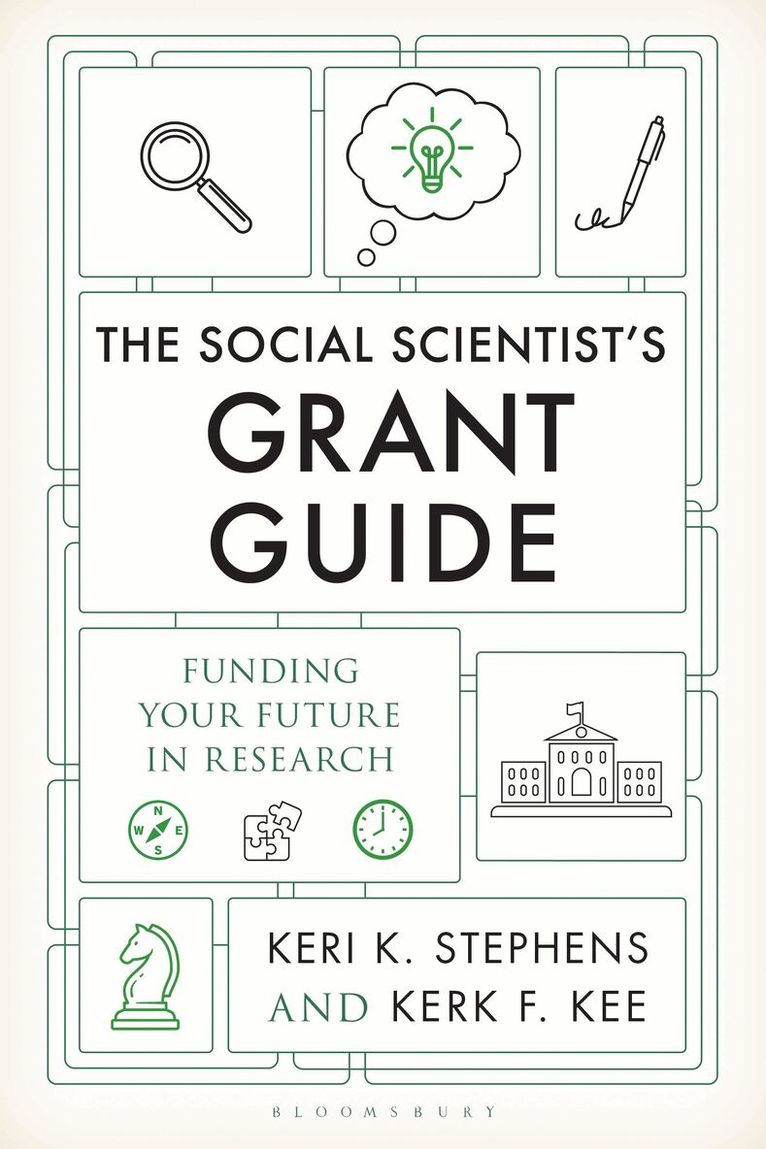
It’s time for social scientists to thrive in the grant-getting world.Securing external funding has never been more important for social scientists, nor has it ever required so much creativity! The Social Scientist’s Grant Guide answers the call to support researchers who are scrambling to navigate the rules, processes, and social dynamics of the funding world. This guide welcomes you into the funding landscape and gives you the strategic and cultural knowledge crucial for grant success. As you build a personalized funding action plan that aligns with your research interests and career stage, you’ll learn how to-Identify funding opportunities that genuinely align with your research strengths-Position your work for maximum impact across different types of funders in the US and internationally -Navigate political and social dynamics that shape reviewer decisions-Develop the adaptive mindset needed to thrive as funding landscapes inevitably shiftHaving secured more than $25 million from federal, state, industry, and foundational support while working with 5 different academic institutions and 7 different institutional support organizations, Keri K. Stephens and Kerk F. Kee know the keys to success and the pitfalls to avoid as you build your research future.
566 kr
Kommande
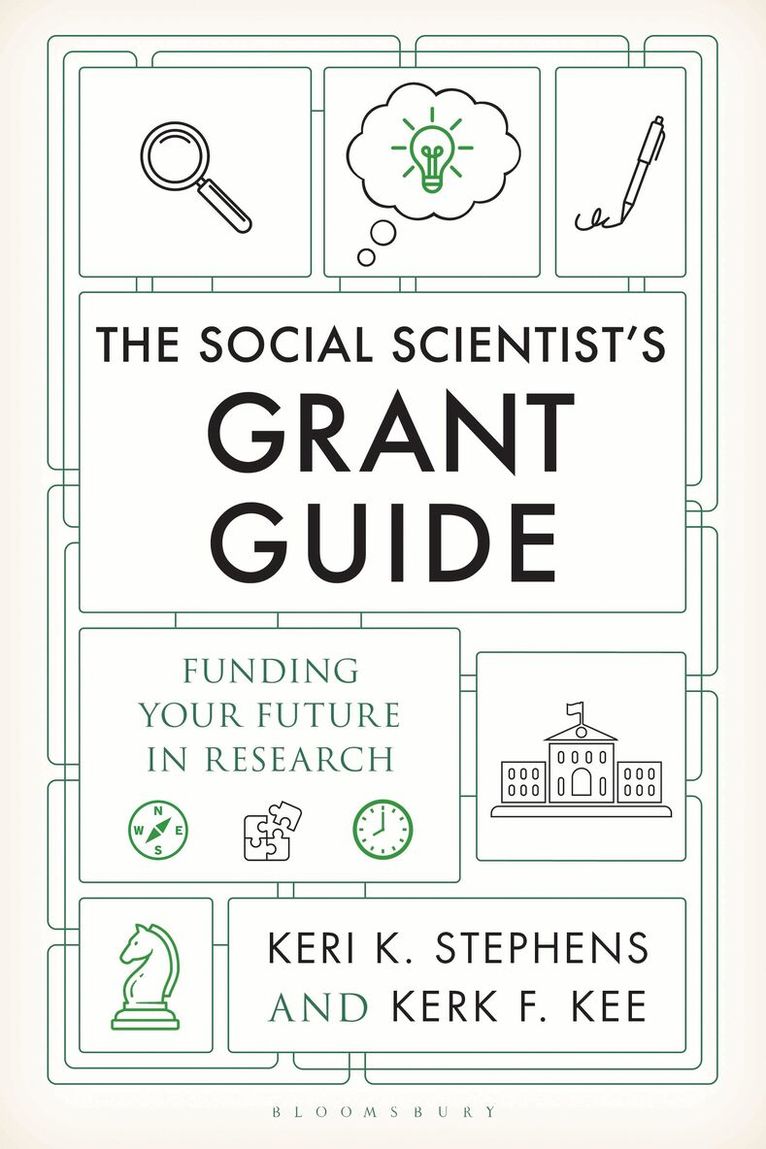
It’s time for social scientists to thrive in the grant-getting world.Securing external funding has never been more important for social scientists, nor has it ever required so much creativity! The Social Scientist’s Grant Guide answers the call to support researchers who are scrambling to navigate the rules, processes, and social dynamics of the funding world. This guide welcomes you into the funding landscape and gives you the strategic and cultural knowledge crucial for grant success. As you build a personalized funding action plan that aligns with your research interests and career stage, you’ll learn how to-Identify funding opportunities that genuinely align with your research strengths-Position your work for maximum impact across different types of funders in the US and internationally -Navigate political and social dynamics that shape reviewer decisions-Develop the adaptive mindset needed to thrive as funding landscapes inevitably shiftHaving secured more than $25 million from federal, state, industry, and foundational support while working with 5 different academic institutions and 7 different institutional support organizations, Keri K. Stephens and Kerk F. Kee know the keys to success and the pitfalls to avoid as you build your research future.