Keshav Bhattarai - Böcker
Visar alla böcker från författaren Keshav Bhattarai. Handla med fri frakt och snabb leverans.
3 produkter
3 produkter
1 754 kr
Skickas inom 10-15 vardagar
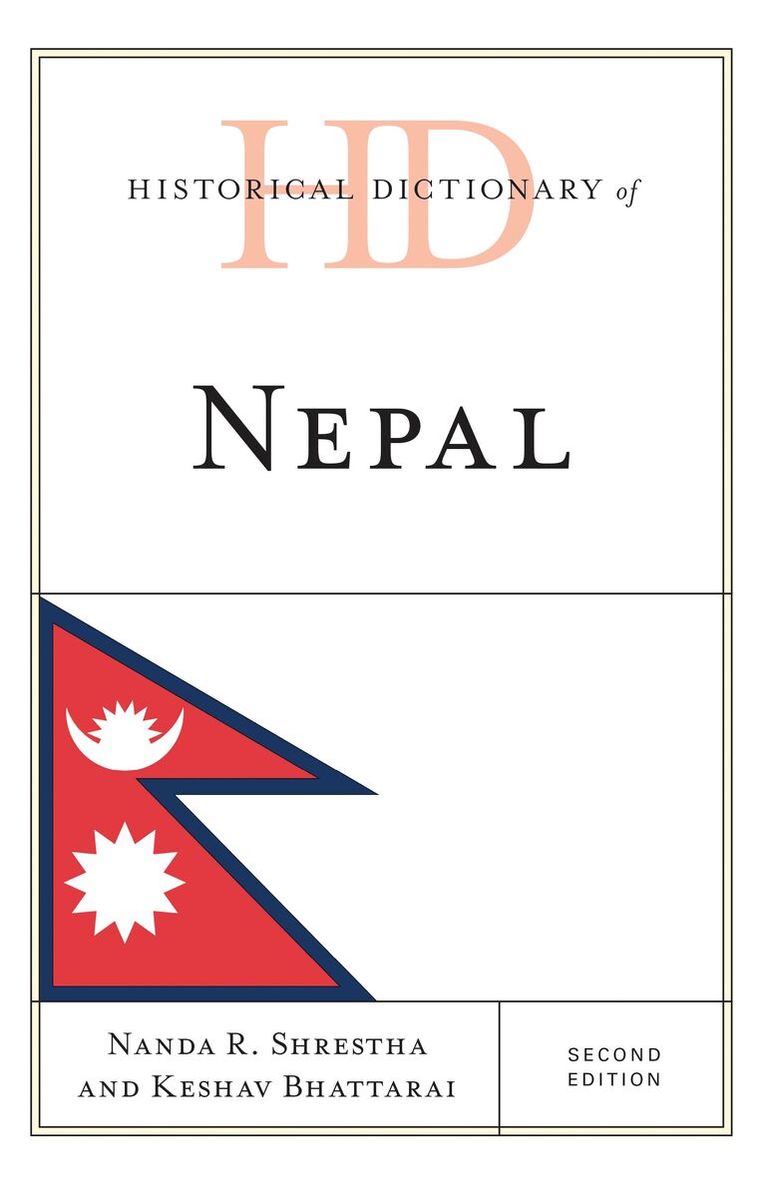
Nepal is a living example of contrasts and contradictions.It is a country that was born in medieval times, grew up in the 16th century, and now finds itself engulfed in the high-tech gadgets and material marvels of the 21st century. Nepal has its share of problem which include inadequate economic development and social infrastructure, poverty and corruption, plus worsening pollution, but now it finally has relative peace and quiet after a hasty Maoist uprising. Indeed, it has passed through several democratic elections, and finally seems to be getting on the right track.This second edition of Historical Dictionary of Nepal contains a chronology, an introduction, appendixes, and an extensive bibliography. The dictionary section has over 700 cross-referenced entries on important personalities, politics, economy, foreign relations, religion, and culture. This book is an excellent resource for students, researchers, and anyone wanting to know more about Nepal.
1 682 kr
Skickas inom 10-15 vardagar
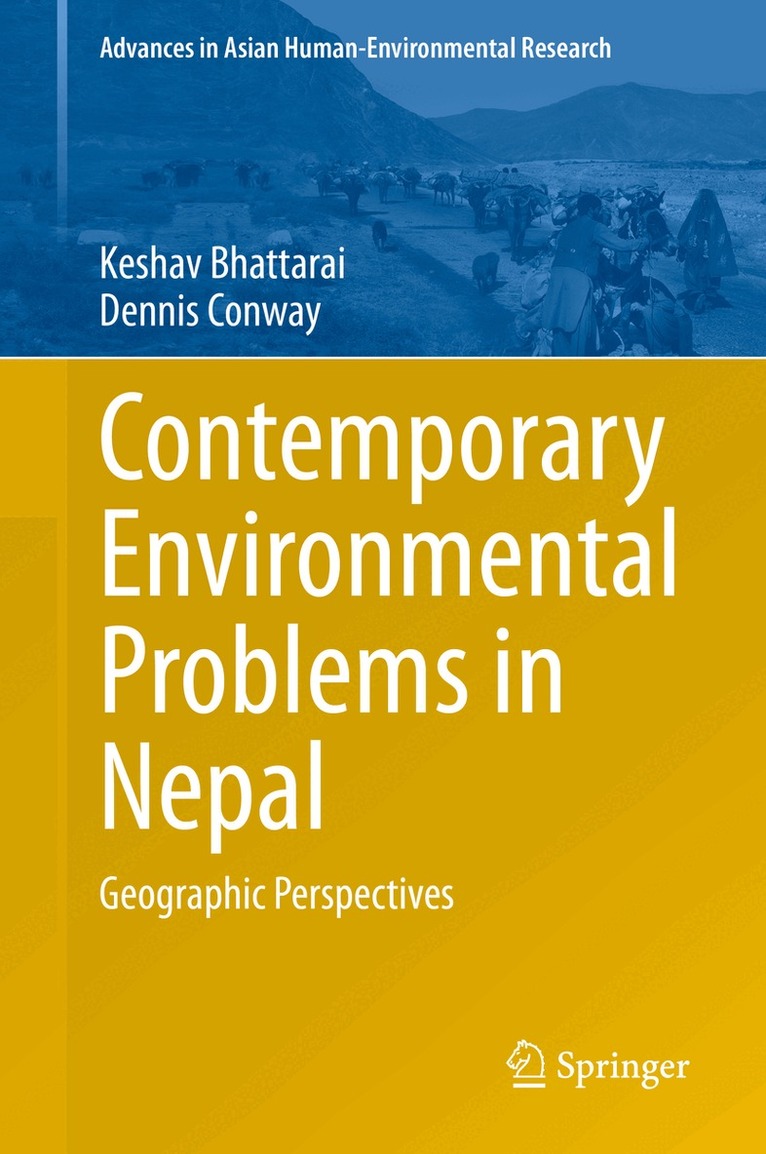
This monograph examines contemporary environmental challenges facing Nepal, this landlocked country’s representativeness in the wider South Asian context is both distinct and generalizable. In large part, this is because of its extremes of physiographical structure- plains, hill ranges, mountainous massifs - and wide range of altitudinal terrains, which represent and replicate South Asian and East Asian continental conditions differing as markedly as humid tropical lowlands, sub-tropical hill ranges and temperate to sub-arctic mountainous environments. Associated forest regimes, in which deforestation and reforestation patterns have evolved in recent times, and differing densities of settlement and cleared agricultural landscapes in each of these altitudinal zones, add to the environmental diversity of Nepal. Associated fauna and exotic species are in various states of endangerment especially Bengal tigers, one horned rhinos, wild elephants, crocodile, musk deer, and peasants, to name a few- so that their forested and mountainous habitats as ‘Wild Life Reserves’ also deserve our attention, and are featured in this monograph’s remit.
1 892 kr
Skickas inom 10-15 vardagar
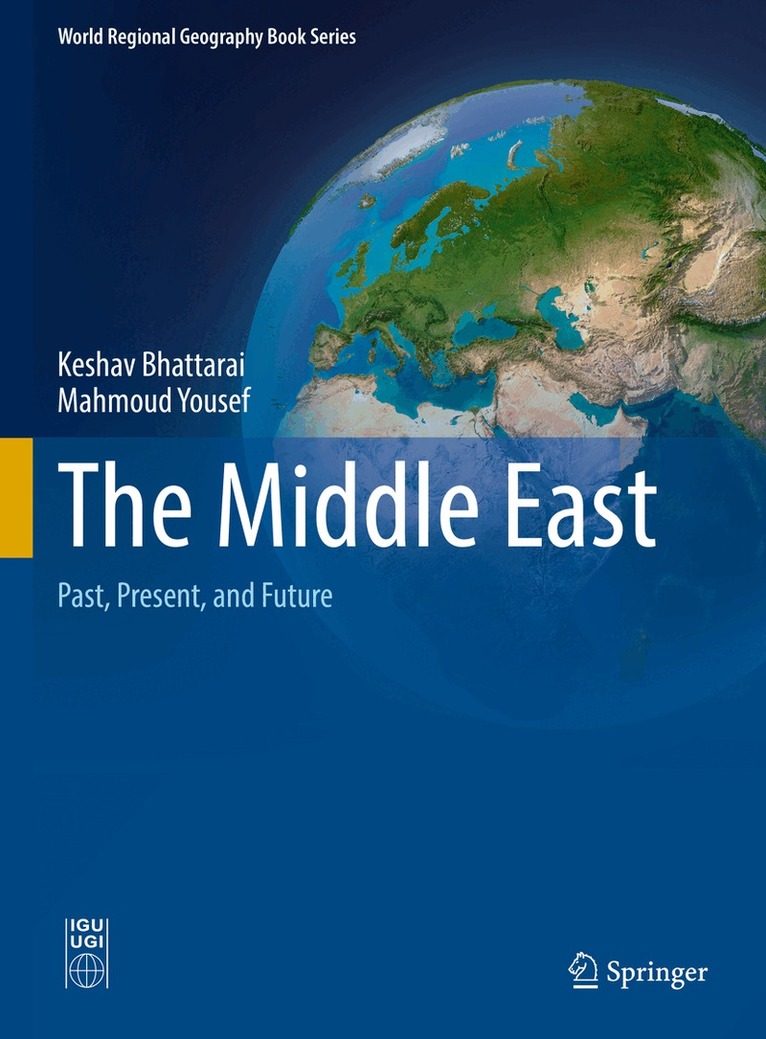
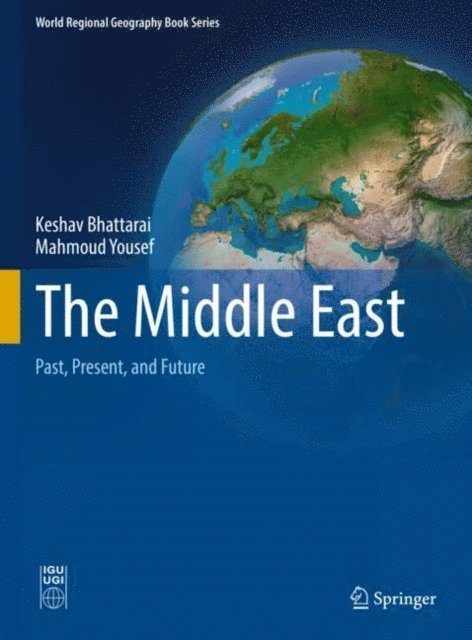
The Middle East and North Africa (MENA) region stands as a remarkable crossroads of tradition and modernity, shaped by millennia of history under empires, colonial powers, and global influences. This book unpacks the intricate dynamics of the region, examining how historical resource exploitation, border manipulation, and cultural impositions have profoundly impacted its languages, traditions, and geopolitical identity. The rich tapestry of Arabic, Farsi, Kurdish, and regional dialects reflects a deep cultural resilience that has resisted globalization, often fueled anti-Western sentiments and prioritized the preservation of heritage over rapid economic development.Central to the region’s geopolitical importance is its vast oil wealth, which has positioned MENA as a cornerstone of the global energy market and a continuous focus of Western interest. This book explores how oil exploitation has economically empowered the region while simultaneously fostering political tension, external interventions, and instability. As the global shift toward green technologies accelerates, the book examines how this transition might redefine MENA’s role in the global energy market, offering both challenges and opportunities for transformation. These dynamics unfold against the backdrop of water scarcity and a scorching, inhospitable climate that further complicates the region’s path forward.Grounded in real-life case studies and an interdisciplinary blend of historical, cultural, and economic analysis, this book offers an unparalleled exploration of the MENA region’s past, present, and future in the context of advanced technological development. Co-authored by a Palestinian native, it brings a unique perspective by dissecting ongoing identity crises through unbiased insights and true-life conversations with individuals who have embraced diverse religious and political ideologies. By intertwining these narratives with the region’s deeply rooted cultural practices, the book presents a compelling human lens to understand MENA's complexities.This rare and thought-provoking study seamlessly balances traditional and modern perspectives, emphasizing the MENA region’s pivotal role at the intersection of Western powers and the Global South. For readers seeking to grasp the intricate dynamics of a region that continues to influence and adapt to an ever-changing global order, this book serves as an indispensable resource.