258 kr
Skickas inom 7-10 vardagar
258 kr
Skickas inom 7-10 vardagar
245 kr
Skickas inom 3-6 vardagar
144 kr
Skickas inom 3-6 vardagar
210 kr
Skickas inom 11-20 vardagar
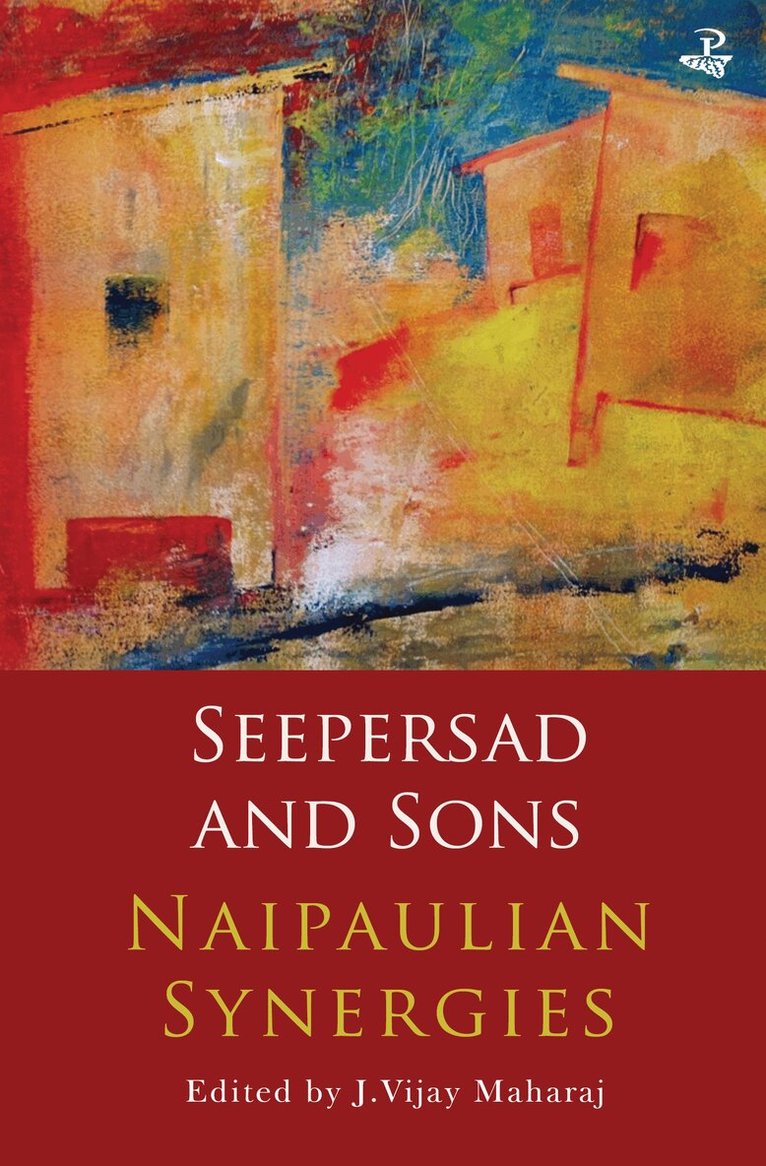
This book, based on a conference organised by The Friends of Mr Biswas, explores the writing careers of Seepersad Naipaul and his two sons, Vidia and Shiva, within the sustenance and sometimes pain of family connections -- synergies that V.S. Naipaul laboured to conceal, as the publishing histories of his father’s collection of short stories and Letters between a Father and Son both show. Essays by Brinsley Samaroo and Aaron Eastley focus on Seepersad Naipaul’s importance as a journalist who opened up what was hidden in Trinidadian society, who boldly creolised reporting styles and offered his sons an example of the possibilities of combining fiction and non-fiction. Arnold Rampersad, in his moving essay on his journalist father, Jerome, further makes the case for seeing a tradition of Trinidadian newspaper writing that achieves literary quality. Not only is the father given long-overdue attention, but so too is the work of Shiva Naipaul, exploring the same family territory in his deservedly classic novel, Fireflies.
Essays find new things to say about V.S. Naipaul: Andre Bagoo writes on his fascination with gay sexuality and cinema (another essay deals with the themes of sadomasochism and incest), Hywel Dix advances the idea of “lateness”, in an insightful reading of Magic Seeds, whilst other essays focus on issues of race, gender and globalisation in the Naipauls’ work. Kevin Frank, for instance, explores the contrast between the father’s engagement with Creole society, and his sons’ recoil, and Elizabeth Jackson and Paula Morgan write respectively on masculinity and motherhood in the Naipauls’ work.
Seepersad and Sons is highly readable because contributors to this book have followed the example and urging of the keynote speaker, Professor Kenneth Ramchand, to address readers beyond an academic circle, and convey the importance of the Naipauls and their literary heritage to the wider society. Literary contributions from Sharon Millar, Raymond Ramcharitar and Keith Jardim make connections with the Naipaulian legacy that show just how alive it is. Robert Clarke provides a visual dimension to the book in a photo essay on the St James district of Port of Spain and J. Vijay Maharaj writes on the complementary art of Shastri Maharaj.
Contributors include: Kenneth Ramchand, Vijay Maharaj, Bhoendradatt Tewarie, Nicholas Laughlin, Aaron Eastley, Brinsley Samaroo, Arnold Rampersad, Robert Clarke, Andre Bagoo, Sharon Millar, Keith Jardim, Raymond Ramcharitar, Kevin Frank, Jim Hanna, Hywel Dix, Elizabeth Jackson, Paula Morgan, Fariza Mohammed, Meghan Cleghorn, Varistha Persad and Nivedita Misra.

362 kr
Skickas inom 3-6 vardagar
218 kr
Skickas inom 3-6 vardagar
372 kr
Skickas inom 3-6 vardagar
341 kr
Skickas
388 kr
Läs direkt efter köp
There are a lot of books out there on how to be a creative professional. And a lot of schools where you can learn to be a creative professional. But let’s say you find success on your chosen path, and they put you in charge of other creative professionals. Nobody tells you what to do then.
Now they do.
This book is a step-by-step guide to leading creative teams. You’ll learn what a creative leader’s job is (helping your team be more successful) and what it’s not (telling people what to change about their work). How to have one-to-ones. What a one-to-one is in the first place. How to build creative culture. How to hire the right people. How to give feedback in a way that teams will listen. How to sell work. How to establish your creative vision. And most importantly, how to say thank you.
What You Will Learn
How to build relationships through one-to-ones
How to create opportunities for team members to be successful
How to build a culture that supports creativity
How to build and manage teams
How to give creative feedback
How to sell work
How to establish your creative vision and build your personal brand
Who This Book is For
New and aspiring leaders in creative fields such as advertising, design, production, and marketing, as well as experienced leaders looking to improve their skills.
258 kr
Skickas inom 7-10 vardagar
245 kr
Skickas inom 3-6 vardagar
144 kr
Skickas inom 3-6 vardagar
210 kr
Skickas inom 11-20 vardagar
This book, based on a conference organised by The Friends of Mr Biswas, explores the writing careers of Seepersad Naipaul and his two sons, Vidia and Shiva, within the sustenance and sometimes pain of family connections -- synergies that V.S. Naipaul laboured to conceal, as the publishing histories of his father’s collection of short stories and Letters between a Father and Son both show. Essays by Brinsley Samaroo and Aaron Eastley focus on Seepersad Naipaul’s importance as a journalist who opened up what was hidden in Trinidadian society, who boldly creolised reporting styles and offered his sons an example of the possibilities of combining fiction and non-fiction. Arnold Rampersad, in his moving essay on his journalist father, Jerome, further makes the case for seeing a tradition of Trinidadian newspaper writing that achieves literary quality. Not only is the father given long-overdue attention, but so too is the work of Shiva Naipaul, exploring the same family territory in his deservedly classic novel, Fireflies.
Essays find new things to say about V.S. Naipaul: Andre Bagoo writes on his fascination with gay sexuality and cinema (another essay deals with the themes of sadomasochism and incest), Hywel Dix advances the idea of “lateness”, in an insightful reading of Magic Seeds, whilst other essays focus on issues of race, gender and globalisation in the Naipauls’ work. Kevin Frank, for instance, explores the contrast between the father’s engagement with Creole society, and his sons’ recoil, and Elizabeth Jackson and Paula Morgan write respectively on masculinity and motherhood in the Naipauls’ work.
Seepersad and Sons is highly readable because contributors to this book have followed the example and urging of the keynote speaker, Professor Kenneth Ramchand, to address readers beyond an academic circle, and convey the importance of the Naipauls and their literary heritage to the wider society. Literary contributions from Sharon Millar, Raymond Ramcharitar and Keith Jardim make connections with the Naipaulian legacy that show just how alive it is. Robert Clarke provides a visual dimension to the book in a photo essay on the St James district of Port of Spain and J. Vijay Maharaj writes on the complementary art of Shastri Maharaj.
Contributors include: Kenneth Ramchand, Vijay Maharaj, Bhoendradatt Tewarie, Nicholas Laughlin, Aaron Eastley, Brinsley Samaroo, Arnold Rampersad, Robert Clarke, Andre Bagoo, Sharon Millar, Keith Jardim, Raymond Ramcharitar, Kevin Frank, Jim Hanna, Hywel Dix, Elizabeth Jackson, Paula Morgan, Fariza Mohammed, Meghan Cleghorn, Varistha Persad and Nivedita Misra.

362 kr
Skickas inom 3-6 vardagar
218 kr
Skickas inom 3-6 vardagar
372 kr
Skickas inom 3-6 vardagar
341 kr
Skickas
388 kr
Läs direkt efter köp
There are a lot of books out there on how to be a creative professional. And a lot of schools where you can learn to be a creative professional. But let’s say you find success on your chosen path, and they put you in charge of other creative professionals. Nobody tells you what to do then.
Now they do.
This book is a step-by-step guide to leading creative teams. You’ll learn what a creative leader’s job is (helping your team be more successful) and what it’s not (telling people what to change about their work). How to have one-to-ones. What a one-to-one is in the first place. How to build creative culture. How to hire the right people. How to give feedback in a way that teams will listen. How to sell work. How to establish your creative vision. And most importantly, how to say thank you.
What You Will Learn
How to build relationships through one-to-ones
How to create opportunities for team members to be successful
How to build a culture that supports creativity
How to build and manage teams
How to give creative feedback
How to sell work
How to establish your creative vision and build your personal brand
Who This Book is For
New and aspiring leaders in creative fields such as advertising, design, production, and marketing, as well as experienced leaders looking to improve their skills.