Kevin Le Gendre – författare
Visar alla böcker från författaren Kevin Le Gendre. Handla med fri frakt och snabb leverans.
6 produkter
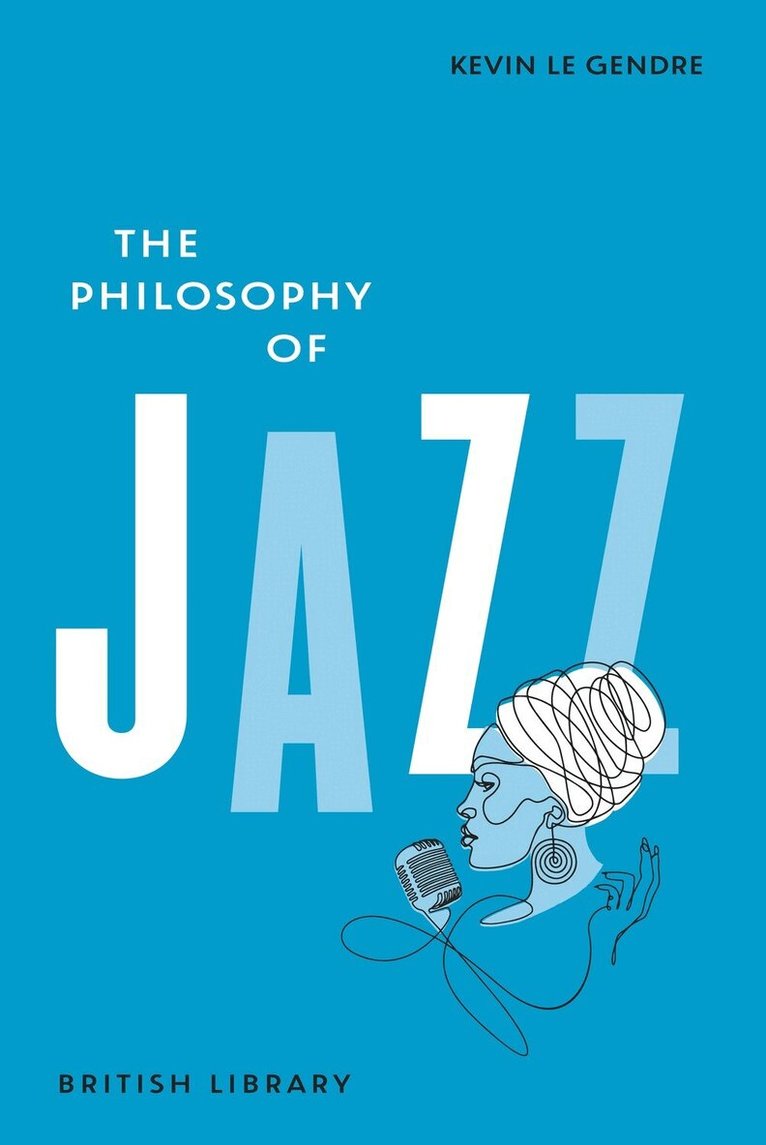
Philosophy of Jazz
Inbunden, 2025
149 kr
Lägg i varukorg
Kevin Le Gendre brings his considerable knowledge and experience to The Philosophy of Jazz, interpreting the mindset, outlook and ambition of the jazz musician and a form of music that has captured the imagination of international audiences for over a century.This is not a straight history of this …
Hear My Train A Comin'
The Songs of Jimi Hendrix
Inbunden, 2020
426 kr
Lägg i varukorg
Although his activity as a recording artist spanned a period of just three years, from 1967, the year of his arrival in England from America to 1970, the year of his death, Jimi Hendrix created a body of work that has exerted a significant influence on a number of artists in the 20th century and …
Don't Stop the Carnival
Black Music in Britain: Volume 1
E-bok, 2018
131 kr
Lägg i varukorg
Black British Music and the people who made it, from Tudor times to the mid '60s.This is a story of empire, colonialism and then the new energies released by the movements for freedom and independence of the post second-world-war years; of the movements of peoples across borders; of the flow of …
Children of the Ghetto
Black Music in Britain: Volume 2
Häftad, 2024
220 kr
Lägg i varukorg
Volume 2 of this outstanding history of Black British music covers the period from the late 1960s through to the end of the 1980s, explores the points of transition from the playing of Black musics in Britain that originated elsewhere to the emergence of an indigenously Black British music that …
Soul Unsung
Reflections on the Band in Black Popular Music
Inbunden, 2012
422 kr
Lägg i varukorg
Soul music has specific sounds. Soul as it appears in the term 'Soul jazz' has a vastly different sound to soul as it appears in the term 'Nu Classic Soul' yet there are links between the two. The socio-cultural connotations of the two 'souls' are also vastly different as one would expect given the …
Don't Stop the Carnival
Black Music in Britain: Volume 1
Häftad, 2018
225 kr
Tillfälligt slut
Black British Music and the people who made it, from Tudor times to the mid '60s. This is a story of empire, colonialism and then the new energies released by the movements for freedom and independence of the post second-world-war years; of the movements of peoples across borders; of the flow of …