Kevin Stephenson - Böcker
Visar alla böcker från författaren Kevin Stephenson. Handla med fri frakt och snabb leverans.
2 produkter
2 produkter
337 kr
Skickas inom 10-15 vardagar
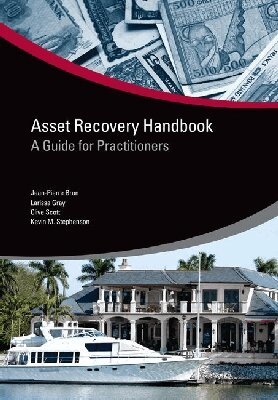
Developing countries lose an estimated US$20-40 billion each year through bribery, misappropriation of funds, and other corrupt practices. Much of the proceeds of this corruption find “safe haven” in the world’s financial centers. These criminal flows are a drain on social services and economic development programs, contributing to the impoverishment of the world’s poorest countries. Many developing countries have already sought to recover stolen assets. A number of successful high-profile cases with creative international cooperation have demonstrated that asset recovery is possible. However, it is highly complex, involving coordination and collaboration with domestic agencies and ministries in multiple jurisdictions, as well as the capacity to trace and secure assets and pursue various legal options—whether criminal confiscation, non-conviction based confiscation, civil actions, or other alternatives. This process can be overwhelming for even the most experienced of practitioners. It is exceptionally difficult for those working in the context of failed states, widespread corruption, or limited resources. With this in mind, the Stolen Asset Recovery (StAR) Initiative has developed the Asset Recovery Handbook: A Guide for Practitioners to guide those grappling with the strategic, organizational, investigative, and legal challenges of recovering stolen assets. A practitioner-led project, the Handbook provides common approaches to recovering stolen assets located in foreign jurisdictions, identifies the challenges that practitioners are likely to encounter, and introduces good practices. Included are examples of tools that can be used by practitioners, such as sample intelligence reports, applications for court orders, and mutual legal assistance requests.
Barriers to Asset Recovery
An Analysis of the Key Barriers and Recommendations for Action
Häftad, Engelska, 2011
337 kr
Skickas inom 10-15 vardagar
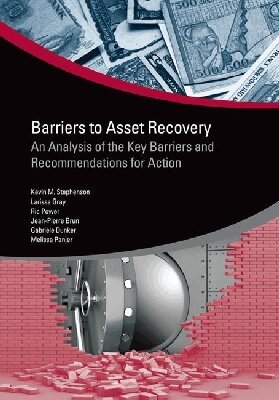
It is estimated that the proceeds of crime, corruption and tax evasion represent between $1 trillion and $1.6 trillion per year, with half coming from developing countries. Proceeds are typically transferred abroad and hidden in foreign jurisdictions, thus requiring international cooperation. Various international conventions and agreements require international cooperation on this issue, in particular the United Nations Convention against Corruption; however, only $5 billion in stolen assets have been repatriated over the last 15 years. This enormous gap reveals that significant barriers continue to impede asset recovery despite the commitments taken by governments, civil society and the private sector. Drawing on the experience of practitioners with hands-on experience, the Stolen Asset Recovery (StAR) Initiative launched this study to identify the barriers to stolen asset recovery internationally, provide brief analysis of the impact of these barriers, and propose recommendations for overcoming these obstacles. This volume is intended to guide policy makers in their efforts to ensure necessary resources and the development of a plan, policy or strategy aimed at eradicating the barriers to asset recovery. In addition, this study proposes actions to be taken by the G20, international organizations, financial institutions, developmental agencies and civil society.