K.H. Wolf – författare
Visar alla böcker från författaren K.H. Wolf. Handla med fri frakt och snabb leverans.
5 produkter
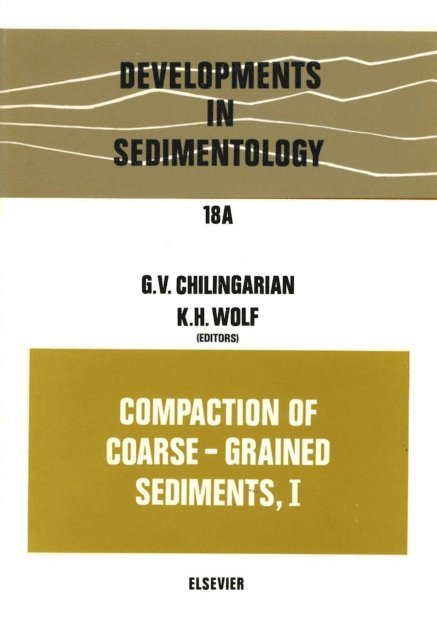
Compaction of Coarse-Grained Sediments, I
Av K.H. Wolf, G.V. Chilingarian
E-bok, 1975
717 kr
Lägg i varukorg
Compaction of Coarse-Grained Sediments, I
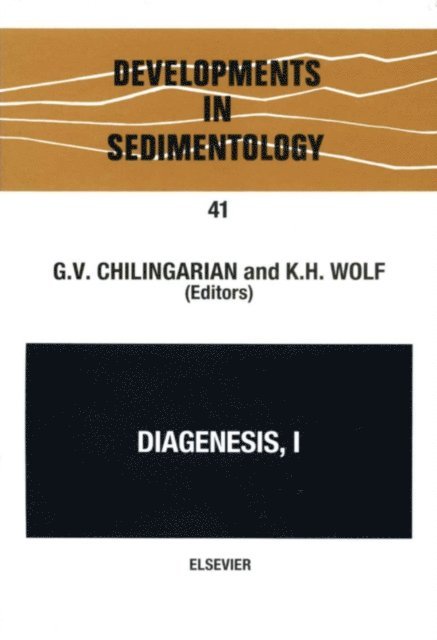
Diagenesis, I
Av K.H. Wolf, G.V. Chilingarian
E-bok, 1988
717 kr
Lägg i varukorg
Diagenesis is a highly developed, interdisciplinary field of study. It is reciprocal in that it borrows from numerous scientific or technological specialities and then, in turn, repays them with useful results. Too often, however, the information gained and concepts developed remain unintegrated …
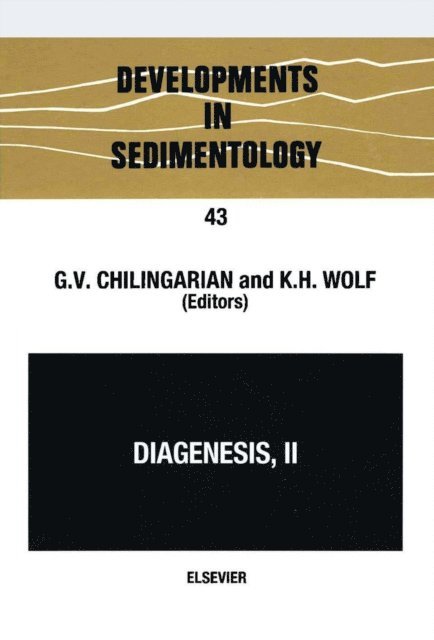
Diagenesis, II
Av K.H. Wolf, G.V. Chilingarian
E-bok, 1988
717 kr
Lägg i varukorg
Diagenesis is a highly developed, interdisciplinary field of study. It is reciprocal in that it borrows from numerous scientific or technological specialities and then, in turn, repays them with useful results. Too often, however, the information gained and concepts developed remain unintegrated …
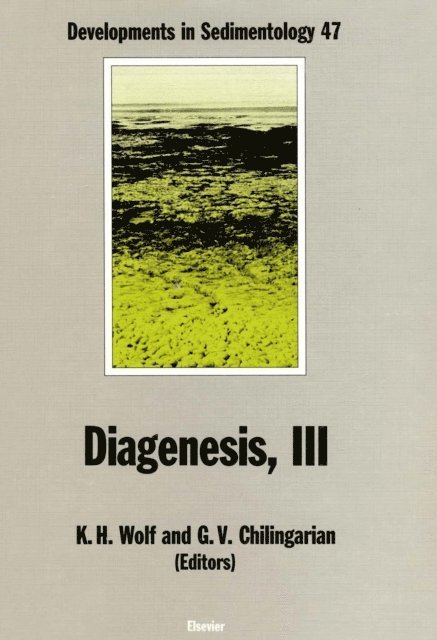
Diagenesis, III
Av K.H. Wolf, G.V. Chilingarian
E-bok, 1992
717 kr
Lägg i varukorg
The present volume is an intellectual agglomeration covering a variety of topics in diagenesis. It starts with the diagenesis of marine pore waters and soft-sediment deformations, followed by two chapters on sandstones - one on climatic influence in terrestrial sandstone diagenesis and the other on …
Diagenesis, IV
Av K.H. Wolf, G.V. Chilingarian
E-bok, 1994
695 kr
Lägg i varukorg
The present volume continues the philosophy of gathering contributions on diagenesis on behalf of those requiring such periodic literary surveys, namely, academics and practitioners (teachers, researchers, and oil and ore explorationists).