Khaled El-Rouayheb – författare
Visar alla böcker från författaren Khaled El-Rouayheb. Handla med fri frakt och snabb leverans.
16 produkter
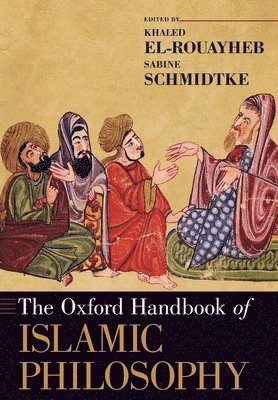
The Oxford Handbook of Islamic Philosophy
Av Khaled El-Rouayheb, Sabine Schmidtke
Häftad, 2019
858 kr
Lägg i varukorg
The study of Islamic philosophy has entered a new and exciting phase in the last few years. Both the received canon of Islamic philosophers and the narrative of the course of Islamic philosophy are in the process of being radically questioned and revised. Most twentieth-century Western scholarship …
Oxford Handbook of Islamic Philosophy
Av Sabine Schmidtke, Khaled El-Rouayheb
E-bok, 2016
587 kr
Lägg i varukorg
The study of Islamic philosophy has entered a new and exciting phase in the last few years. Both the received canon of Islamic philosophers and the narrative of the course of Islamic philosophy are in the process of being radically questioned and revised. Most twentieth-century Western scholarship …
al-Sanūsī
Inbunden, 2026
1500 kr
Lägg i varukorg
The North African scholar Muhammad ibn Yusuf al-Sanūsī (1436-90), from Tlemcen, present-day Algeria, was one of the most influential theologians and logicians in the Islamic tradition. al-Sanūsī theological works were wildly popular in large areas of the Islamic world until the modern period and …
al-Sanūsī
Häftad, 2026
378 kr
Lägg i varukorg
The North African scholar Muhammad ibn Yusuf al-Sanūsī (1436-90), from Tlemcen, present-day Algeria, was one of the most influential theologians and logicians in the Islamic tradition. al-Sanūsī theological works were wildly popular in large areas of the Islamic world until the modern period and …
al-Sanusi
E-bok, 2026
364 kr
Lägg i varukorg
The North African scholar Muhammad ibn Yusuf al-Sanusi (1436-90), from Tlemcen, present-day Algeria, was one of the most influential theologians and logicians in the Islamic tradition. al-Sanusi theological works were wildly popular in large areas of the Islamic world until the modern period and …
al-Sanusi
E-bok, 2026
364 kr
Lägg i varukorg
The North African scholar Muhammad ibn Yusuf al-Sanusi (1436-90), from Tlemcen, present-day Algeria, was one of the most influential theologians and logicians in the Islamic tradition. al-Sanusi theological works were wildly popular in large areas of the Islamic world until the modern period and …
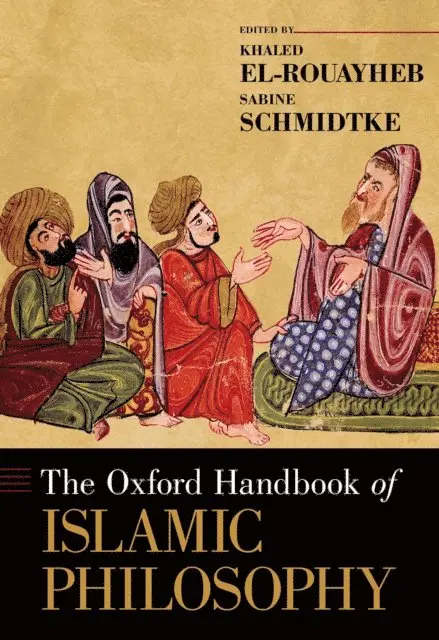
The Oxford Handbook of Islamic Philosophy
Av Khaled El-Rouayheb, Sabine Schmidtke
Inbunden, 2016
2777 kr
Lägg i varukorg
The study of Islamic philosophy has entered a new and exciting phase in the last few years. Both the received canon of Islamic philosophers and the narrative of the course of Islamic philosophy are in the process of being radically questioned and revised. Most twentieth-century Western scholarship …
Oxford Handbook of Islamic Philosophy
Av Sabine Schmidtke, Khaled El-Rouayheb
E-bok, 2016
587 kr
Lägg i varukorg
The study of Islamic philosophy has entered a new and exciting phase in the last few years. Both the received canon of Islamic philosophers and the narrative of the course of Islamic philosophy are in the process of being radically questioned and revised. Most twentieth-century Western scholarship …
Before Homosexuality in the Arab-Islamic World, 1500-1800
Inbunden, 2005
496 kr
Lägg i varukorg
Attitudes toward homosexuality in the premodern Arab-Islamic world are commonly depicted as schizophrenic - it was visible and tolerated on one hand, prohibited by Islam on the other. Khaled El-Rouayheb argues that this apparent paradox is based on the anachronistic assumption that homosexuality is …
Before Homosexuality in the Arab-Islamic World, 1500-1800
Häftad, 2009
304 kr
Lägg i varukorg
Attitudes toward homosexuality in the premodern Arab-Islamic world are commonly depicted as schizophrenic - it was visible and tolerated on one hand, prohibited by Islam on the other. Khaled El-Rouayheb argues that this apparent paradox is based on the anachronistic assumption that homosexuality is …
Before Homosexuality in the Arab-Islamic World, 1500-1800
E-bok, 2009
592 kr
Lägg i varukorg
Attitudes toward homosexuality in the pre-modern Arab-Islamic world are commonly depicted as schizophrenic—visible and tolerated on one hand, prohibited by Islam on the other. Khaled El-Rouayheb argues that this apparent paradox is based on the anachronistic assumption that homosexuality is a …
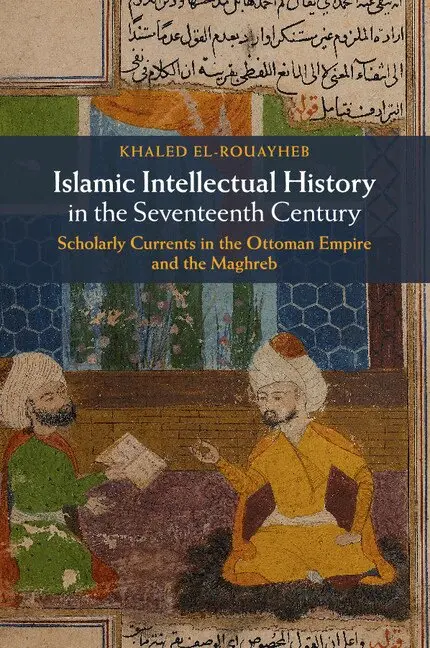
Islamic Intellectual History in the Seventeenth Century
Scholarly Currents in the Ottoman Empire and the Maghreb
Inbunden, 2015
1887 kr
Lägg i varukorg
For much of the twentieth century, the intellectual life of the Ottoman and Arabic-Islamic world in the seventeenth century was ignored or mischaracterized by historians. Ottomanists typically saw the seventeenth century as marking the end of Ottoman cultural florescence, while modern Arab …
Islamic Intellectual History in the Seventeenth Century
Scholarly Currents in the Ottoman Empire and the Maghreb
Häftad, 2017
586 kr
Lägg i varukorg
For much of the twentieth century, the intellectual life of the Ottoman and Arabic-Islamic world in the seventeenth century was ignored or mischaracterized by historians. Ottomanists typically saw the seventeenth century as marking the end of Ottoman cultural florescence, while modern Arab …
Development of Arabic Logic (1200-1800)
E-bok, 2019
519 kr
Lägg i varukorg
Recent years have seen a dramatic change in scholarly views of the later career of Arabic and Islamic philosophy. For much of the twentieth century, researchers tended to dismiss the value of Arabic writings on philosophy and logic after the twelfth century, often on the basis of the prejudice that …
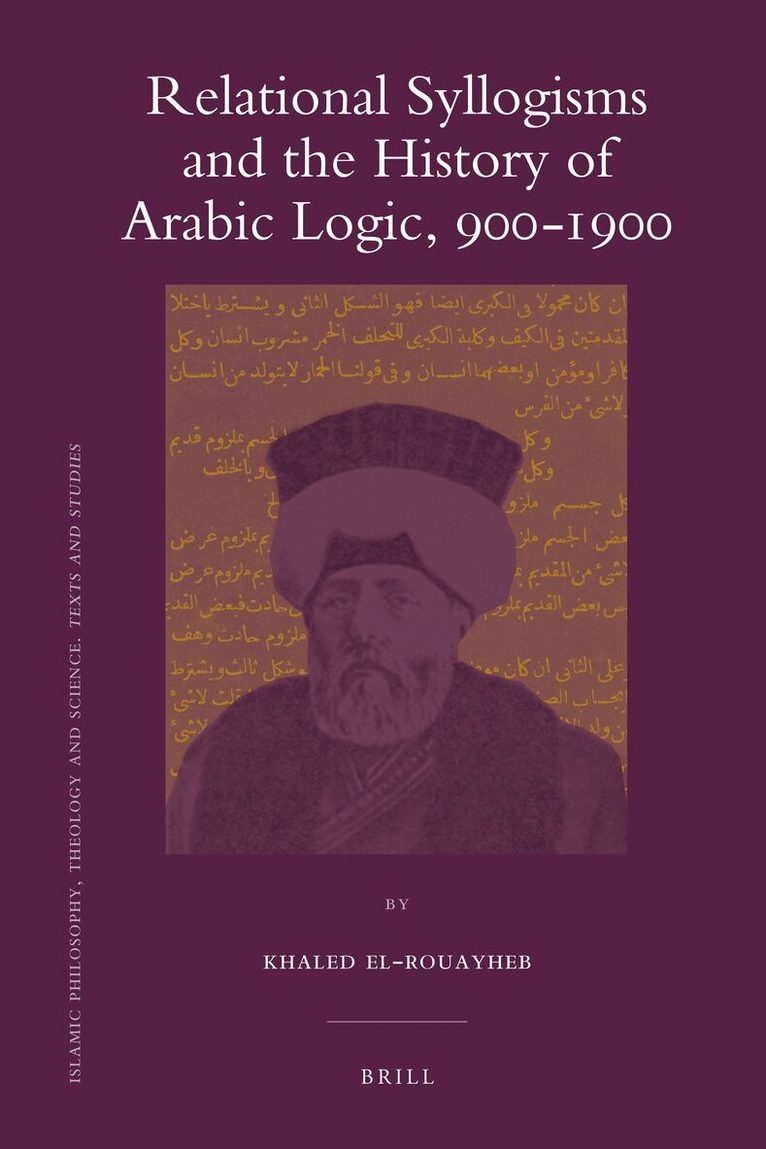
Relational Syllogisms and the History of Arabic Logic, 900-1900
Inbunden, 2010
2857 kr
Lägg i varukorg
Relational inferences are a well-known problem for Aristotelian logic. This book charts the development of thinking about this anomaly, from the beginnings of the Arabic logical tradition in the tenth century to the end of the nineteenth. Based in large part on hitherto unstudied manuscripts and …
Commentary on the Jumal on Logic by Khūnajī
Av Ibn Wāṣil al-Ḥamawī, Khaled El-Rouayheb
Inbunden, 2022
2009 kr
Lägg i varukorg
Ibn Wāṣil (d. 1298), perhaps better known today as a historian and an emissary to the court of King Manfred in southern Italy, was also an eminent logician. The present work is a critical edition of his main work in the field, a commentary on his teacher Khūnajī’s (d. 1248) handbook al-Jumal. The …