Khanisa – författare
Visar alla böcker från författaren Khanisa. Handla med fri frakt och snabb leverans.
5 produkter
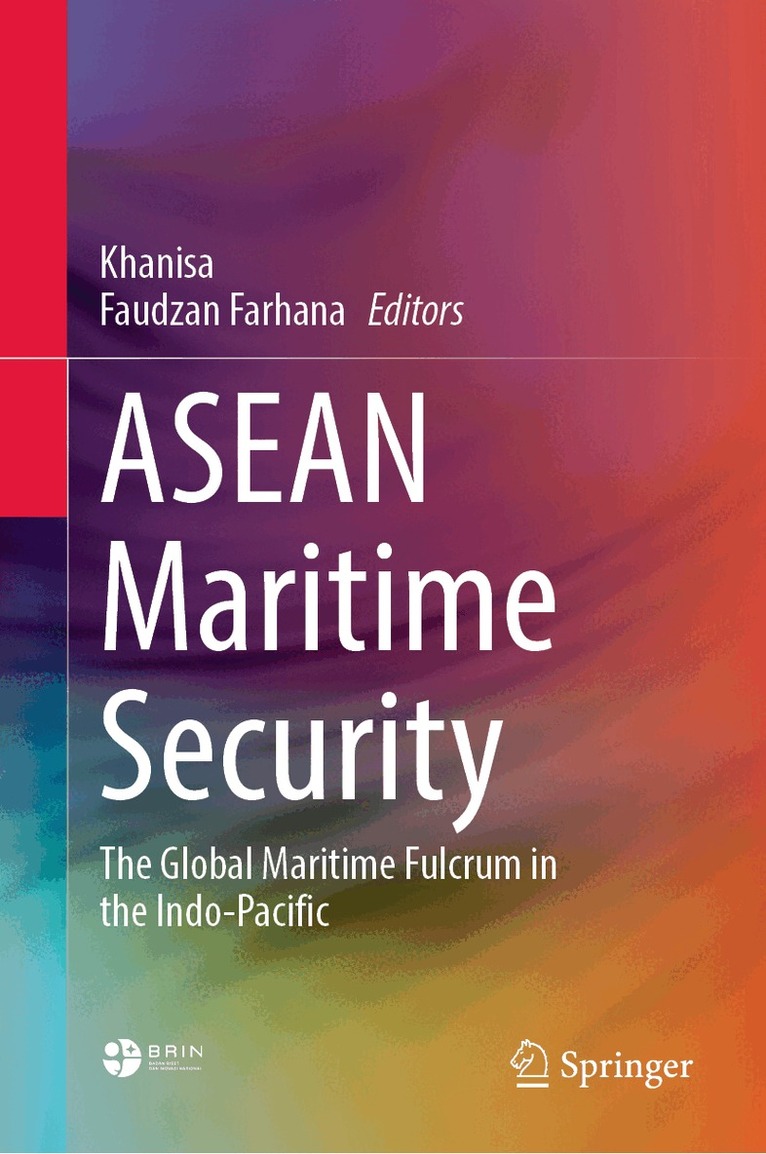
ASEAN Maritime Security
The Global Maritime Fulcrum in the Indo-Pacific
Inbunden, 2022
1423 kr
Lägg i varukorg
This book covers various strategic issues around maritime security in terms of how Indonesia has sought to implement its Global Maritime Fulcrum (GMF) vision, evaluating its regional impact within ASEAN. The Global Maritime Fulcrum’ vision was declared by President Joko Widodo to refocus …
ASEAN Maritime Security
The Global Maritime Fulcrum in the Indo-Pacific
E-bok, 2022
1785 kr
Lägg i varukorg
This book covers various strategic issues around maritime security in terms of how Indonesia has sought to implement its Global Maritime Fulcrum (GMF) vision, evaluating its regional impact within ASEAN. The Global Maritime Fulcrum’ vision was declared by President Joko Widodo to refocus …
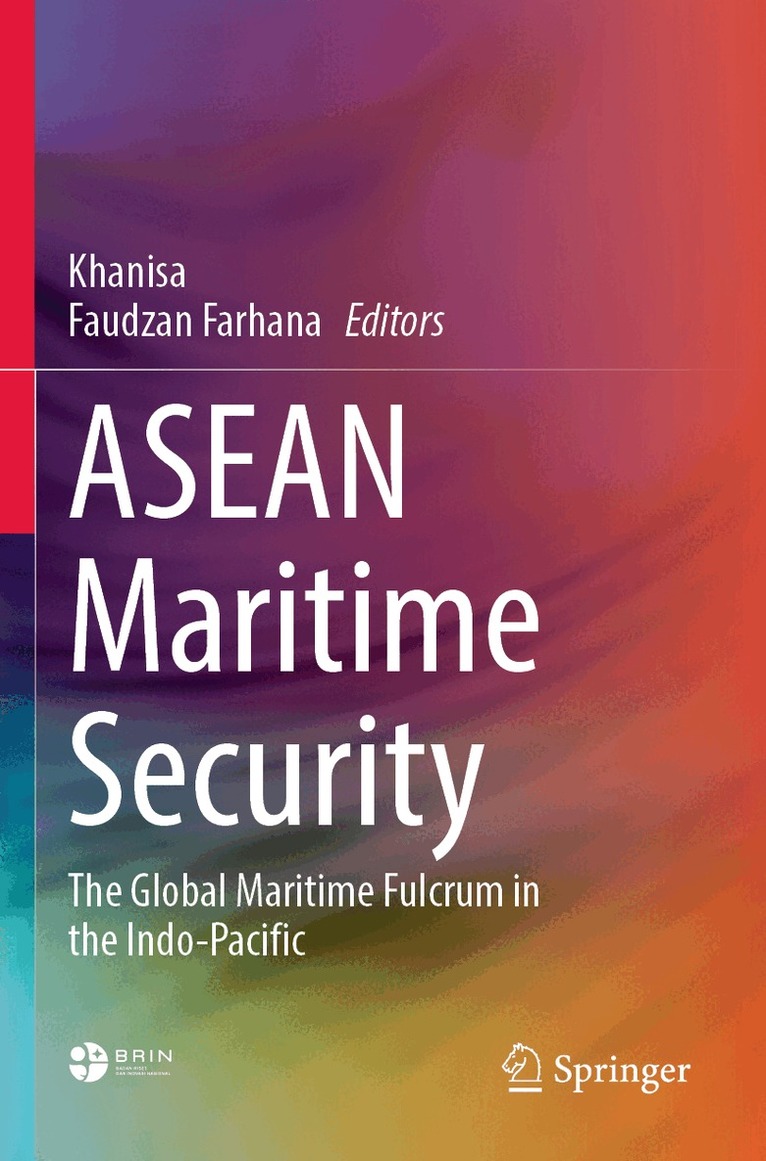
ASEAN Maritime Security
The Global Maritime Fulcrum in the Indo-Pacific
Häftad, 2023
1423 kr
Lägg i varukorg
This book covers various strategic issues around maritime security in terms of how Indonesia has sought to implement its Global Maritime Fulcrum (GMF) vision, evaluating its regional impact within ASEAN. The Global Maritime Fulcrum’ vision was declared by President Joko Widodo to refocus …
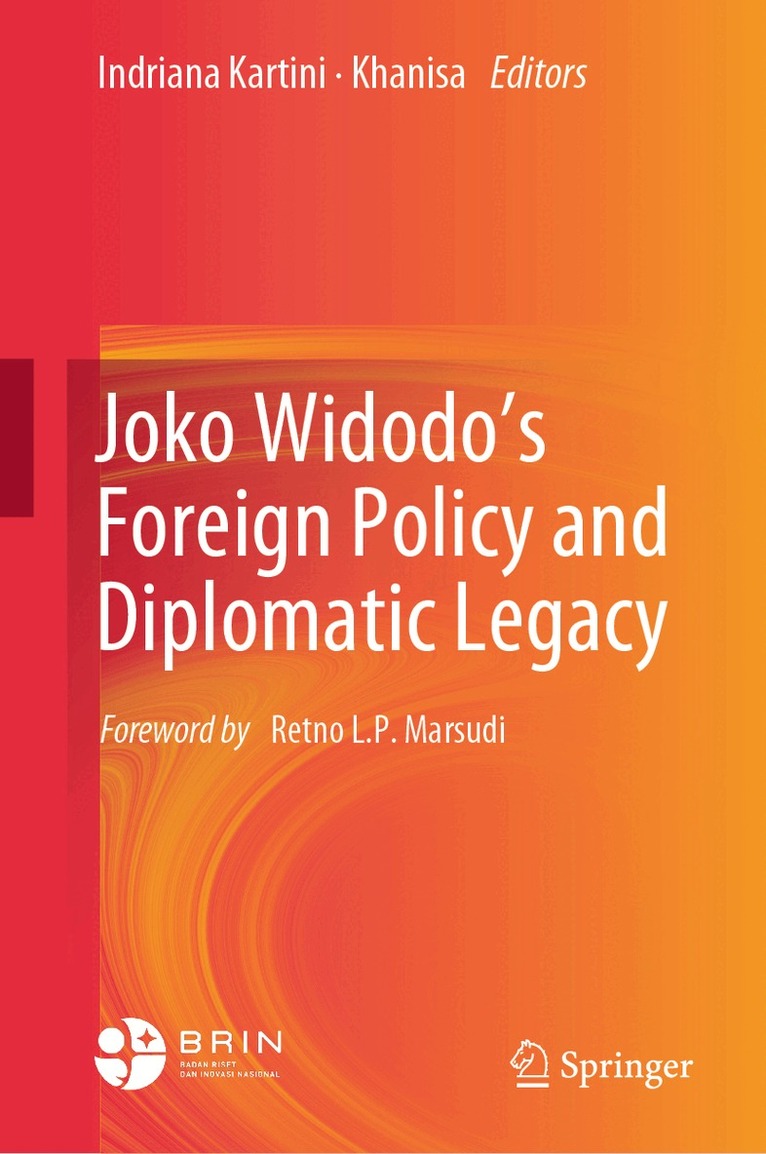
Joko Widodo's Foreign Policy and Diplomatic Legacy
Inbunden, 2026
1641 kr
Lägg i varukorg
This book addresses the various challenges that arose during the two periods of Indonesian President Jokowi's administration. These included the global economic crisis, increasingly complex geopolitical dynamics, such as competition between major powers, the Covid-19 pandemic and its ramifications …
Joko Widodo's Foreign Policy and Diplomatic Legacy
E-bok, 2026
2111 kr
Lägg i varukorg
This book addresses the various challenges that arose during the two periods of Indonesian President Jokowi's administration. These included the global economic crisis, increasingly complex geopolitical dynamics, such as competition between major powers, the Covid-19 pandemic and its ramifications …