Khlevniuk Oleg V. Khlevniuk – författare
Visar alla böcker från författaren Khlevniuk Oleg V. Khlevniuk. Handla med fri frakt och snabb leverans.
2 produkter
2 produkter
E-bok
Engelska, 2008588 kr
Läs direkt efter köp
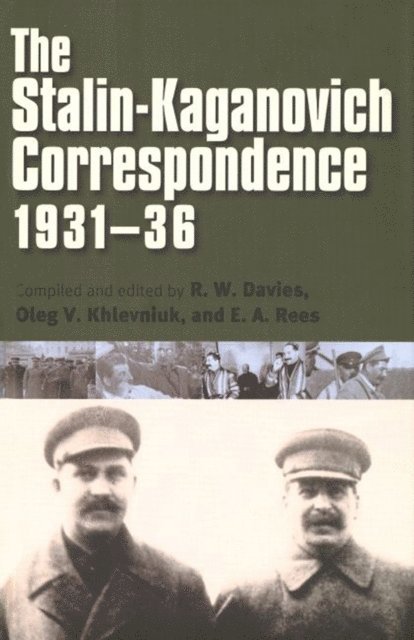
From 1931 to 1936, Stalin vacationed at his Black Sea residence for two to three months each year. While away from Moscow, he relied on correspondence with his subordinates to receive information, watch over the work of the Politburo and the government, give orders, and express his opinions. This book publishes for the first time translations of 177 handwritten letters and coded telegrams exchanged during this period between Stalin and his most highly trusted deputy, Lazar Kaganovich.The unique and revealing collection of letters—all previously classified top secret—provides a dramatic account of the mainsprings of Soviet policy while Stalin was consolidating his position as personal dictator. The correspondence records his positions on major internal and foreign affairs decisions and reveals his opinions about fellow members of the Politburo and other senior figures. Written during the years of agricultural collectivization, forced industrialization, famine, repression, and Soviet rearmament in the face of threats from Germany and Japan, these letters constitute an unsurpassed historical resource for all students of the Stalin regime and Soviet history.
E-bok
PDF, Engelska, 2008408 kr
Läs direkt efter köp
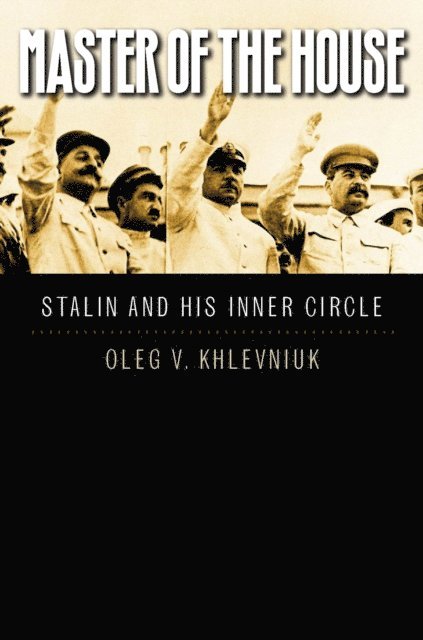
Based on meticulous research in previously unavailable documents in the Soviet archives, this compelling book illuminates the secret inner mechanisms of power in the Soviet Union during the years when Stalin established his notorious dictatorship. Oleg V. Khlevniuk focuses on the top organ in Soviet Russia’s political hierarchy of the 1930s—the Political Bureau of the Central Committee of the Communist Party—and on the political and interpersonal dynamics that weakened its collective leadership and enabled Stalin’s rise. Khlevniuk’s unparalleled research challenges existing theories of the workings of the Politburo and uncovers many new findings regarding the nature of alliances among Politburo members, Sergei Kirov’s murder, the implementation of the Great Terror, and much more. The author analyzes Stalin’s mechanisms of generating and retaining power and presents a new understanding, unmatched in texture and depth, of the highest tiers of the Communist Party in a crucial era of Soviet history.