Kim Chernin – författare
Visar alla böcker från författaren Kim Chernin. Handla med fri frakt och snabb leverans.
6 produkter
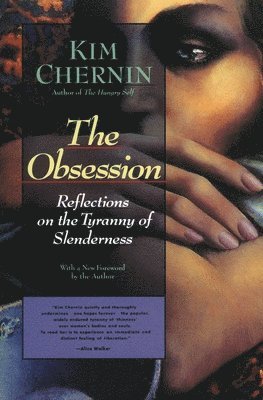
The Obsession
Reflections on the Tyranny of Slenderness
Av Kim Chernin
Häftad, 1994
246 kr
Lägg i varukorg
Obsession
Reflections on the Tyranny of Slenderness
Av Kim Chernin
E-bok, 2009
91 kr
Lägg i varukorg
The Obsession is a deeply committed and beautifully written analysis of our society''s increasing demand that women be thin. It offers a careful, thought provoking discussion of the reasons men have encouraged this obsession and women have embraced it. It is a book about women''s efforts to become …
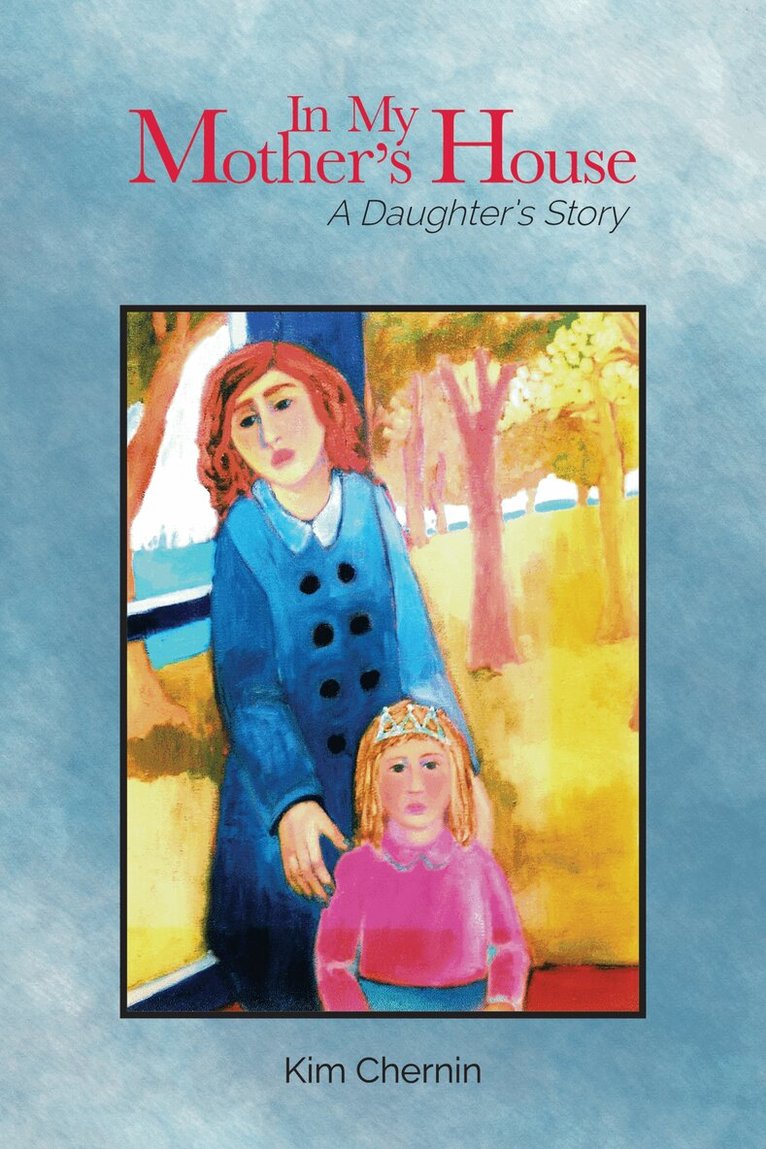
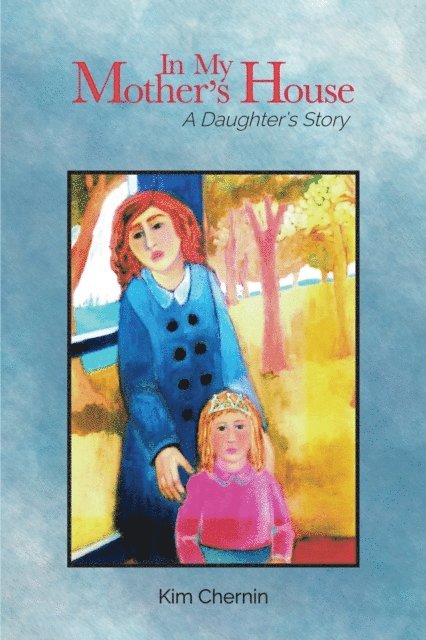
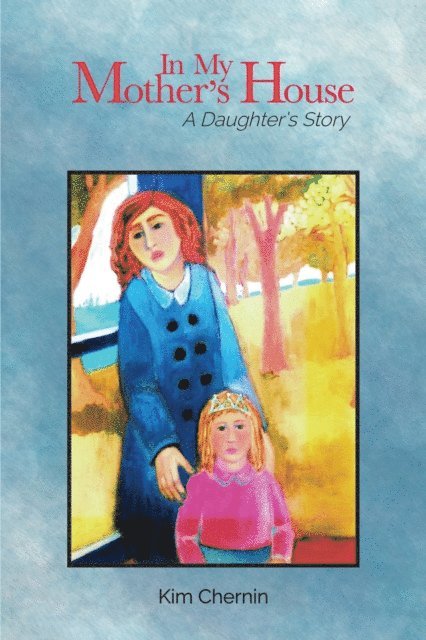
In My Mother's House
A Daughter's Story
Av Kim Chernin
Häftad, 2019
292 kr
Lägg i varukorg
In My Mother’s House depicts a profound, intergenerational struggle between a powerful, politically engaged mother, Rose, and her spiritually inclined poet and writer daughter, Kim. Framing this collision are two other generations. There is Rose’s mother from the shtetl, a broken woman regularly …
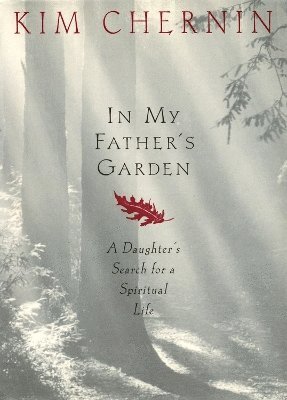
In My Father's Garden
A Daughter's Search for a Spiritual Life
Av Kim Chernin
Häftad, 1996
231 kr
Lägg i varukorg
Kim Chernin's mother was a leftist firebrand, an American Marxist at mid-century, when it was dangerous to be one. Her father, a quiet man, was no less radical. Why then, decades later, does their daughter--a liberal California psychoanalyst and writer--find herself drawn toward a spirituality that …
In My Mother's House
A Daughter''s Story
Av Kim Chernin
E-bok, 2019
433 kr
Lägg i varukorg
In My Mother’s House depicts a profound, intergenerational struggle between a powerful, politically engaged mother, Rose, and her spiritually inclined poet and writer daughter, Kim. Framing this collision are two other generations. There is Rose’s mother from the shtetl, a broken woman regularly …
In My Mother's House
A Daughter''s Story
Av Kim Chernin
E-bok, 2019
423 kr
Lägg i varukorg
In My Mother’s House depicts a profound, intergenerational struggle between a powerful, politically engaged mother, Rose, and her spiritually inclined poet and writer daughter, Kim. Framing this collision are two other generations. There is Rose’s mother from the shtetl, a broken woman regularly …