Kim Huynh-Ba - Böcker
Visar alla böcker från författaren Kim Huynh-Ba. Handla med fri frakt och snabb leverans.
5 produkter
5 produkter
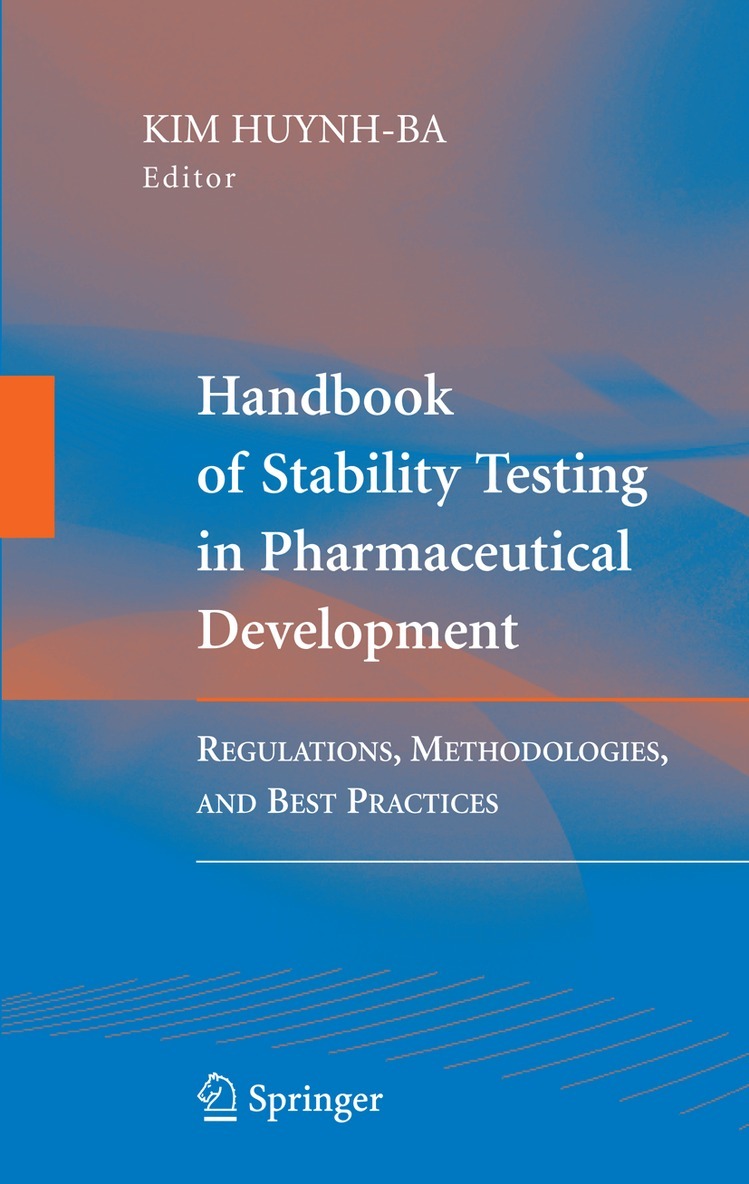
Handbook of Stability Testing in Pharmaceutical Development
Regulations, Methodologies, and Best Practices
Inbunden, Engelska, 2008
2 396 kr
Skickas inom 10-15 vardagar
In my professional career as a pharmaceutical scientist, I have been involved with severalaspectsofthe drugdevelopmentprocessfrompre-INDto commercialization and, somehow, I usually found myself coming back to a stability-related issue. The stability area seemed to draw my utmost interest because in my day-to-day work, my opportunities involved more than one product, and none of the issues were the same.Eachsituationposedchallengesthatusuallyrequiredanexerciseofjudgment, an understandingof regulations,a knowledgeof science, a graspof compliance,and an appreciation of common practices. Sinceearly2000,Ihavealsobeeninvolvedwithseveraltrainingopportunitiesand I struggled to ?nd good, concise, practical resources, one of which I could just hand to a new scientist who wishes to gain a greater understanding of stability sciences. In addition, I encountered the same questions posted over and over on different stability best practices discussion forums. As a book lover, I also have a good collection of technical books. Unfor- nately, most of the stability related volumes are outdated. Many of these materials are theoretical and do not contain much practical information.I understand that the pharmaceutical industry during this period is quite volatile, and guidelines are changingrapidlywhileregulatoryagenciesareworkingcloselywiththepharmac- tical industryto accommodatethese changes;however,thefundamentalinformation continues to remain quite the same, just as current Good Manufacturing Practices (cGMP) continue to be the standard industry practice. Therefore, I hoped to ass- ble a practical handbook to ?ll this void.
1 850 kr
Skickas inom 7-10 vardagar
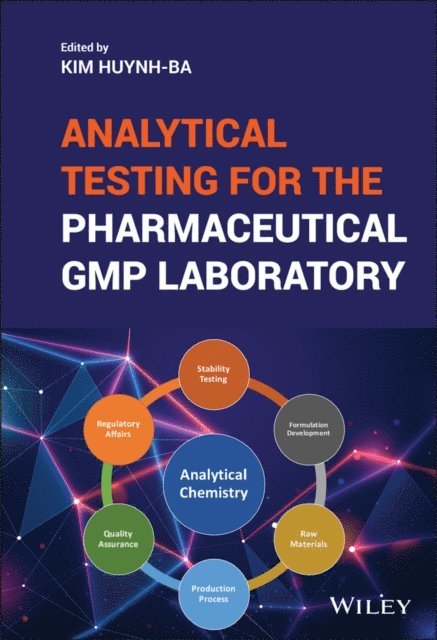
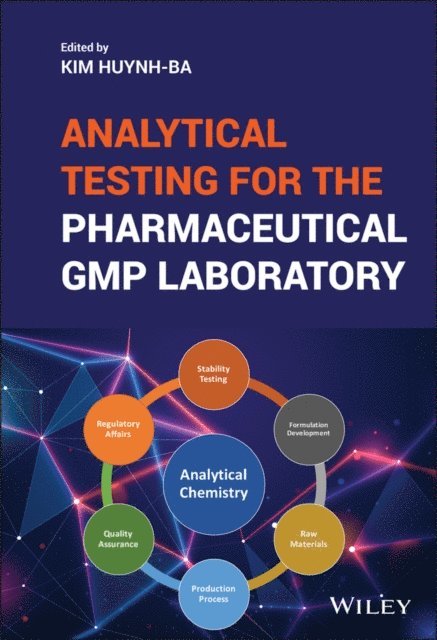
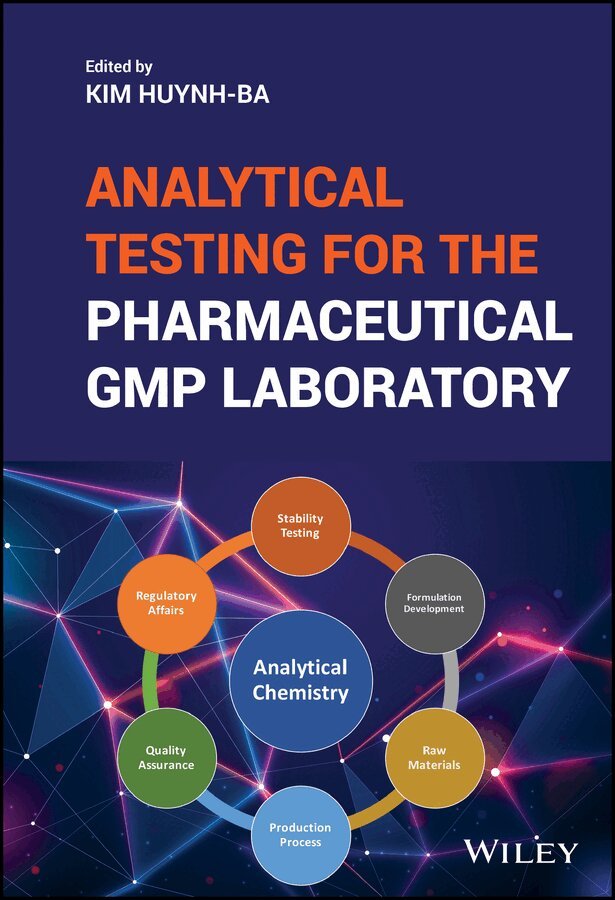
Provides practical guidance on pharmaceutical analysis, written by leading experts with extensive industry experience Analytical Testing for the Pharmaceutical GMP Laboratory presents a thorough overview of the pharmaceutical regulations, working processes, and drug development best practices used to maintain the quality and integrity of medicines. With a focus on smaller molecular weight drug substances and products, the book provides the knowledge necessary for establishing the pharmaceutical laboratory to support Quality Systems while maintaining compliance with Good Manufacturing Practices (GMP) regulations.Concise yet comprehensive chapters contain up-to-date coverage of drug regulations, pharmaceutical analysis methodologies, control strategies, testing development and validation, method transfer, electronic data documentation, and more. Each chapter includes a table of contents, definitions of acronyms, a reference list, and ample tables and figures. Addressing the principal activities and regulatory challenges of analytical testing in the development and manufacturing of pharmaceutical drug products, this authoritative resource: Describes the structure, roles, core guidelines, and GMP regulations of the FDA and ICH.Covers the common analytical technologies used in pharmaceutical laboratories, including examples of analytical techniques used for the release and stability testing of drugs.Examines control strategies established from quality systems supported by real-world case studies.Explains the use of dissolution testing for products such as extended-release capsules, aerosols, and inhalers.Discusses good documentation and data reporting practices, stability programs, and the Laboratory Information Management System (LIMS) to maintain compliance.Includes calculations, application examples, and illustrations to assist readers in day-to-day laboratory operations.Contains practical information and templates to structure internal processes or common Standard Operating Procedures (SOPs).Analytical Testing for the Pharmaceutical GMP Laboratory is a must-have reference for both early-career and experienced pharmaceutical scientists, analytical chemists, pharmacists, and quality control professionals. It is also both a resource for GMP laboratory training programs and an excellent textbook for undergraduate and graduate courses of analytical chemistry in pharmaceutical sciences or regulatory compliance programs.
1 745 kr
Skickas inom 10-15 vardagar
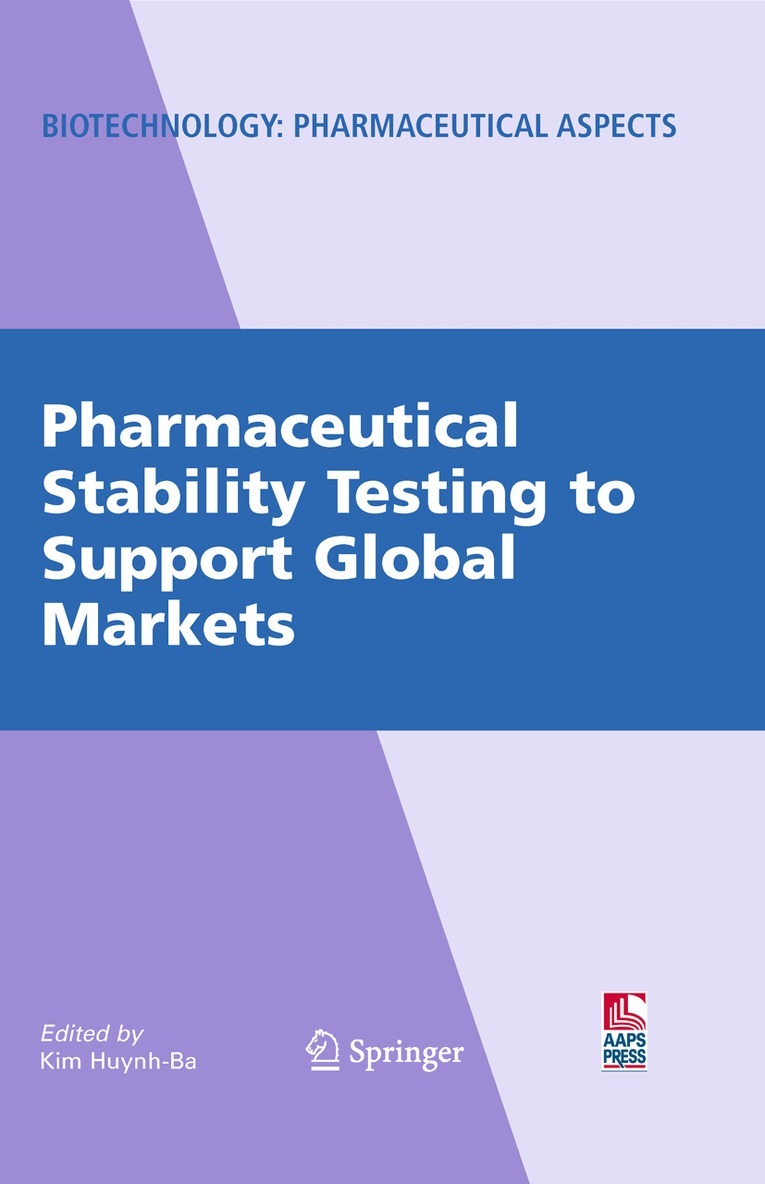
The International Conference of Harmonization (ICH) has worked on har- nizing the stability regulations in the US, Europe, and Japan since the early 1990s. Even though the Stability Guidelines Q1A (R2) was issued over a decade ago, issues surrounding this arena continue to surface as the principles described in the guideline are applied to different technical concentrations. As a result, the stability community has continued to discuss concerns and find ways of harmonizing regulatory requirements, streamlining practices, improving processes in order to bring safe and effective medical supplies to the patients around the world. In 2007, the American Association of Pharmaceutical Scientists (AAPS) Stability Focus Group organized two workshops – the Stability Workshop and the Degradation Mechanism Workshop. These meetings attracted many industry scientists as well as representatives from several regulatory agencies in the world to discuss important topics related to pharmaceutical stability practices. Recognizing the importance of documenting these discussions and with the permission of AAPS, I have worked with speakers to assemble a collection of 30 articles from presentations given at these two meetings, mainly the Stability Workshop. I trust that this book will be beneficial to all of you in providing guidance and up-to-date information for building quality stability programs. v Freedom of our mind is Mother of all inventions.
Handbook of Stability Testing in Pharmaceutical Development
Regulations, Methodologies, and Best Practices
Häftad, Engelska, 2010
2 396 kr
Skickas inom 10-15 vardagar
In my professional career as a pharmaceutical scientist, I have been involved with severalaspectsofthe drugdevelopmentprocessfrompre-INDto commercialization and, somehow, I usually found myself coming back to a stability-related issue. The stability area seemed to draw my utmost interest because in my day-to-day work, my opportunities involved more than one product, and none of the issues were the same.Eachsituationposedchallengesthatusuallyrequiredanexerciseofjudgment, an understandingof regulations,a knowledgeof science, a graspof compliance,and an appreciation of common practices. Sinceearly2000,Ihavealsobeeninvolvedwithseveraltrainingopportunitiesand I struggled to ?nd good, concise, practical resources, one of which I could just hand to a new scientist who wishes to gain a greater understanding of stability sciences. In addition, I encountered the same questions posted over and over on different stability best practices discussion forums. As a book lover, I also have a good collection of technical books. Unfor- nately, most of the stability related volumes are outdated. Many of these materials are theoretical and do not contain much practical information.I understand that the pharmaceutical industry during this period is quite volatile, and guidelines are changingrapidlywhileregulatoryagenciesareworkingcloselywiththepharmac- tical industryto accommodatethese changes;however,thefundamentalinformation continues to remain quite the same, just as current Good Manufacturing Practices (cGMP) continue to be the standard industry practice. Therefore, I hoped to ass- ble a practical handbook to ?ll this void.
1 745 kr
Skickas inom 10-15 vardagar
The International Conference of Harmonization (ICH) has worked on har- nizing the stability regulations in the US, Europe, and Japan since the early 1990s. Even though the Stability Guidelines Q1A (R2) was issued over a decade ago, issues surrounding this arena continue to surface as the principles described in the guideline are applied to different technical concentrations. As a result, the stability community has continued to discuss concerns and find ways of harmonizing regulatory requirements, streamlining practices, improving processes in order to bring safe and effective medical supplies to the patients around the world. In 2007, the American Association of Pharmaceutical Scientists (AAPS) Stability Focus Group organized two workshops – the Stability Workshop and the Degradation Mechanism Workshop. These meetings attracted many industry scientists as well as representatives from several regulatory agencies in the world to discuss important topics related to pharmaceutical stability practices. Recognizing the importance of documenting these discussions and with the permission of AAPS, I have worked with speakers to assemble a collection of 30 articles from presentations given at these two meetings, mainly the Stability Workshop. I trust that this book will be beneficial to all of you in providing guidance and up-to-date information for building quality stability programs. v Freedom of our mind is Mother of all inventions.