Kim Searcy – författare
Visar alla böcker från författaren Kim Searcy. Handla med fri frakt och snabb leverans.
2 produkter
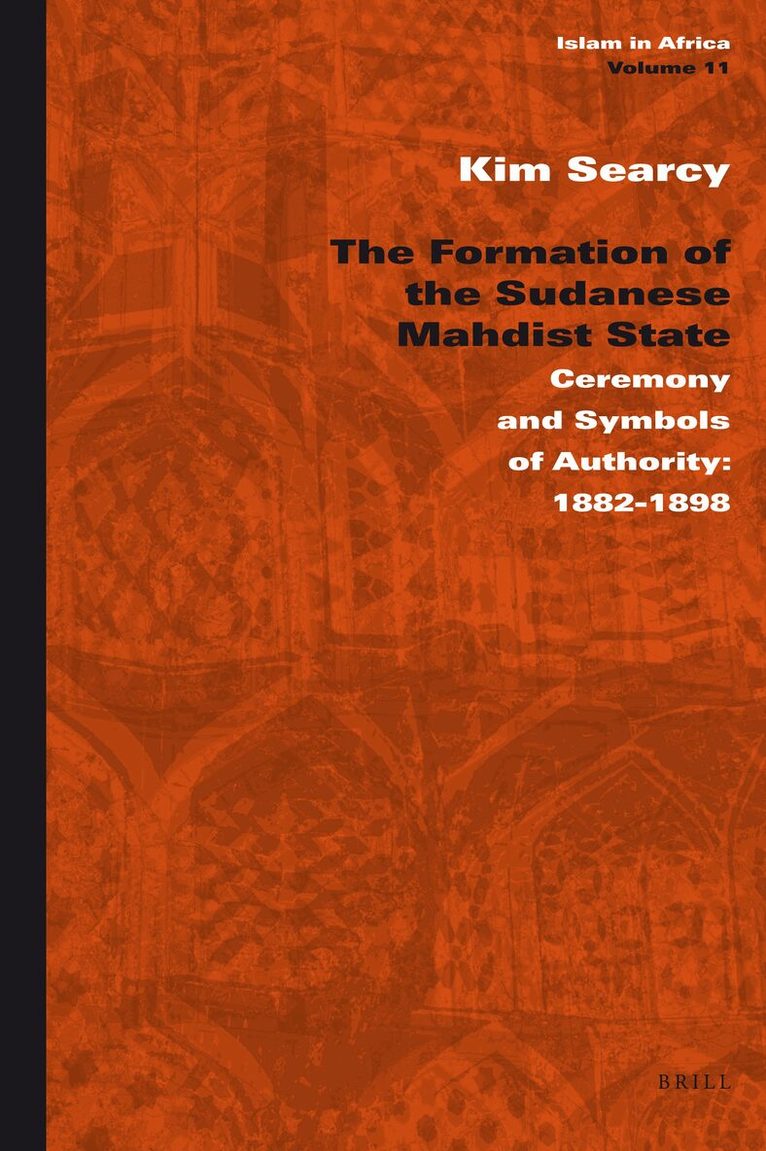
Formation of the Sudanese Mahdist State
Ceremony and Symbols of Authority: 1882-1898
Av Kim Searcy
Inbunden, 2010
2081 kr
Lägg i varukorg
This book is the first analysis of the Sudanese Mahdiyya from a socio-political perspective that treats how relationships of authority were enunciated through symbol and ceremony. The book focuses on how the Mahdi and his second-in-command and ultimate successor, the Khalifa Abdallahi, used …
Studies in the Book of Wisdom
Av Kim Searcy, Geza G. Xeravits m. fl.
Inbunden, 2010
2374 kr
Lägg i varukorg
The volume publishes papers delivered at the International Conference on the Deuterocanonical Books (Pápa, Hungary). This conference dealt with the Book of Wisdom. As such, this was one of the most extended discussions of the Book of Wisdom that has ever taken place at a scholarly meeting. The …