Kirstine Zinck Pedersen – författare
Visar alla böcker från författaren Kirstine Zinck Pedersen. Handla med fri frakt och snabb leverans.
3 produkter
3 produkter
Inbunden, Engelska, 2017
982 kr
Skickas inom 10-15 vardagar
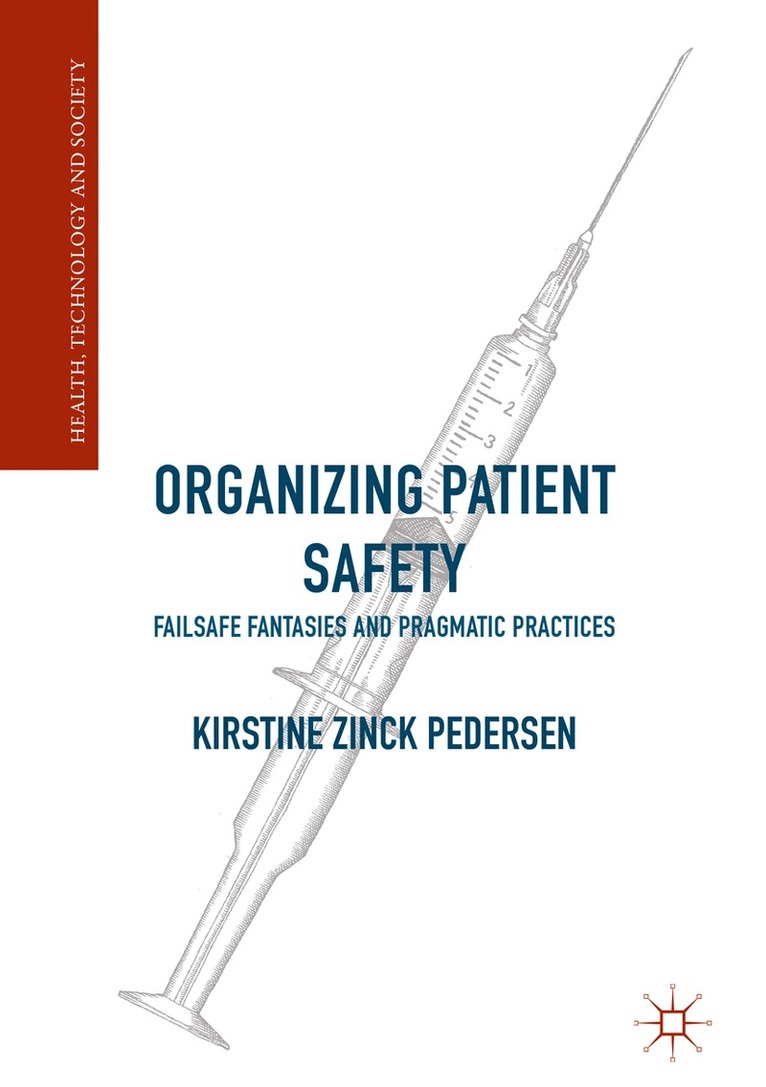
This book examines the organizational consequences of the recent international preoccupation with managing patient safety in the clinic. Built on presuppositions about failsafe system-design, risk elimination, and human fallibility, the patient safety programme introduces new problems and safety threats in clinical practice by devaluing practical forms of reasoning and the trained safety dispositions of clinicians. Developing a pragmatic and more situated stance on patient safety, Pedersen offers an alternative vocabulary that refocuses attention towards the importance of conduct, habits and experience-based learning in delivering safe care. This innovative book will be of great interest to scholars and practitioners of organization and risk studies, health, science and technology studies and the wider social and medical sciences.
E-bok
Engelska, 2017840 kr
Läs direkt efter köp
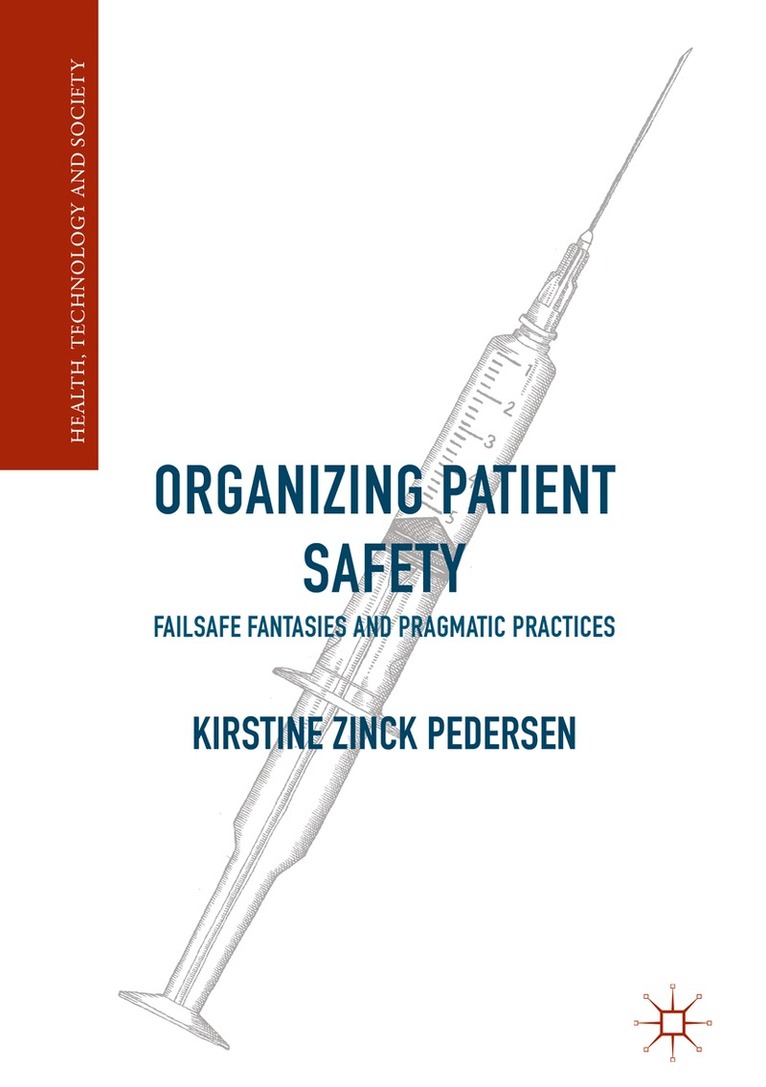
This book examines the organizational consequences of the recent international preoccupation with managing patient safety in the clinic. Built on presuppositions about failsafe system-design, risk elimination, and human fallibility, the patient safety programme introduces new problems and safety threats in clinical practice by devaluing practical forms of reasoning and the trained safety dispositions of clinicians. Developing a pragmatic and more situated stance on patient safety, Pedersen offers an alternative vocabulary that refocuses attention towards the importance of conduct, habits and experience-based learning in delivering safe care. This innovative book will be of great interest to scholars and practitioners of organization and risk studies, health, science and technology studies and the wider social and medical sciences.
Häftad, Engelska, 2019
711 kr
Skickas inom 10-15 vardagar
This book examines the organizational consequences of the recent international preoccupation with managing patient safety in the clinic. Built on presuppositions about failsafe system-design, risk elimination, and human fallibility, the patient safety programme introduces new problems and safety threats in clinical practice by devaluing practical forms of reasoning and the trained safety dispositions of clinicians. Developing a pragmatic and more situated stance on patient safety, Pedersen offers an alternative vocabulary that refocuses attention towards the importance of conduct, habits and experience-based learning in delivering safe care. This innovative book will be of great interest to scholars and practitioners of organization and risk studies, health, science and technology studies and the wider social and medical sciences.