Kirsty Sinclair Dootson – författare
Visar alla böcker från författaren . Handla med fri frakt och snabb leverans.
3 produkter
3 produkter
Inbunden, Engelska, 2027
1 502 kr
Kommande
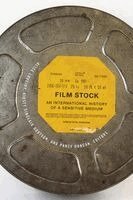
A global collection exploring the vital significance of film's materiality to the history of cinemaMade from animal bones, plant cellulose, and precious metals, photochemical film defined a century of cinema. Looking past Hollywood and beyond iconic companies like Eastman Kodak, Agfa, and Pathé, Film Stock travels to Argentina, India, Czechoslovakia, and other locales to offer a truly global history of the very material of film.Engaging with cultural, political, economic, and environmental questions of significant contemporary concern, Film Stock shows the immense consequences of how film was made, handled, processed, destroyed, and archived. Individual essays explore how climate shaped film distribution in early twentieth-century Southeast Asia, unique film formats manufactured in China, early efforts to standardize the size of film stock in Hollywood, and how Eastman Kodak's tropical research lab in Panama became a tool of cultural empire.With a deep commitment to archival research and substantive engagement with primary materials, Film Stock is a major work that tells the international story of film's physical life. Its innovative, groundbreaking essays make a compelling case for why, even in our digital age, motion picture film matters.Retail e-book files for this title are screen-reader friendly with images accompanied by short alt text and/or extended descriptions.
Häftad, Engelska, 2027
334 kr
Kommande
A global collection exploring the vital significance of film's materiality to the history of cinemaMade from animal bones, plant cellulose, and precious metals, photochemical film defined a century of cinema. Looking past Hollywood and beyond iconic companies like Eastman Kodak, Agfa, and Pathé, Film Stock travels to Argentina, India, Czechoslovakia, and other locales to offer a truly global history of the very material of film.Engaging with cultural, political, economic, and environmental questions of significant contemporary concern, Film Stock shows the immense consequences of how film was made, handled, processed, destroyed, and archived. Individual essays explore how climate shaped film distribution in early twentieth-century Southeast Asia, unique film formats manufactured in China, early efforts to standardize the size of film stock in Hollywood, and how Eastman Kodak's tropical research lab in Panama became a tool of cultural empire.With a deep commitment to archival research and substantive engagement with primary materials, Film Stock is a major work that tells the international story of film's physical life. Its innovative, groundbreaking essays make a compelling case for why, even in our digital age, motion picture film matters.Retail e-book files for this title are screen-reader friendly with images accompanied by short alt text and/or extended descriptions.
Inbunden, Engelska, 2023
539 kr
Skickas inom 5-8 vardagar
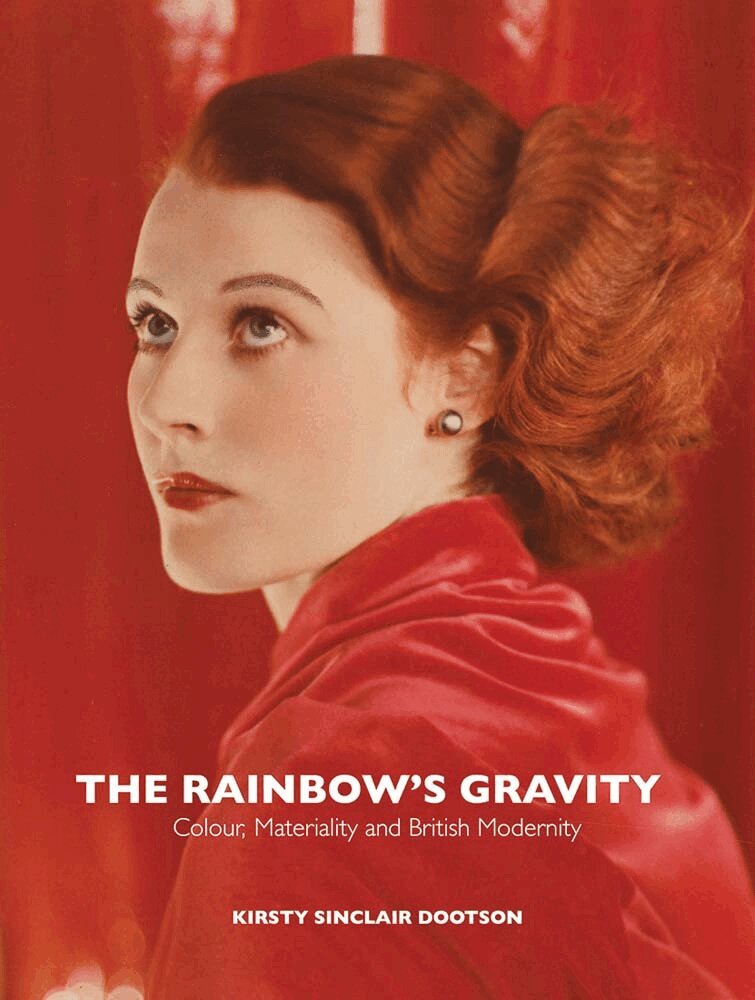
From Victorian breakthroughs in synthesising pigments to the BBC’s conversion to chromatic broadcasting, the story of colour’s technological development is inseparable from wider processes of modernisation that transformed Britain. This revolutionary history brings to light how new colour technologies informed ideas about national identity during a period of profound social change, when the challenges of industrialisation, decolonisation of the Empire and evolving attitudes to race and gender reshaped the nation. Offering a compelling new account of modern British visual culture that reveals colour to be central to its aesthetic trajectories and political formations, this chromatic lens deepens our understanding of how British art is made and what it means, offering a new way to assess the visual landscape of the period and interpret its colourful objects. Across a kaleidoscopic array of materials, from radiant paintings by major Victorian artists, vivid print advertisements and vibrant interwar fashion photographs, to glorious Technicolor films and the prismatic programmes of the BBC’s early years of colour television, The Rainbow’s Gravity reveals how Britain modernised colour and how colour, in turn, modernised Britain. Distributed for the Paul Mellon Centre for Studies in British Art