Klara Naszkowska – författare
Visar alla böcker från författaren Klara Naszkowska. Handla med fri frakt och snabb leverans.
6 produkter
Early Women Psychoanalysts
History, Biography, and Contemporary Relevance
E-bok, 2024
533 kr
Lägg i varukorg
Each life story is unique, yet each also entwines with other stories, sharing recurring themes linked to issues of gender, Jewishness, women''s education, politics, and migration. The book''s first section discusses relatively known analysts such as Sabina Spielrein, Lou Andreas-Salomé, and Beata …
Early Women Psychoanalysts
History, Biography, and Contemporary Relevance
E-bok, 2024
533 kr
Lägg i varukorg
Each life story is unique, yet each also entwines with other stories, sharing recurring themes linked to issues of gender, Jewishness, women''s education, politics, and migration. The book''s first section discusses relatively known analysts such as Sabina Spielrein, Lou Andreas-Salomé, and Beata …
Early Women Psychoanalysts
History, Biography, and Contemporary Relevance
Häftad, 2024
575 kr
Lägg i varukorg
Each life story is unique, yet each also entwines with other stories, sharing recurring themes linked to issues of gender, Jewishness, women's education, politics, and migration.The book's first section discusses relatively known analysts such as Sabina Spielrein, Lou Andreas-Salomé, and Beata …
Early Women Psychoanalysts
History, Biography, and Contemporary Relevance
Inbunden, 2024
2578 kr
Lägg i varukorg
Each life story is unique, yet each also entwines with other stories, sharing recurring themes linked to issues of gender, Jewishness, women's education, politics, and migration.The book's first section discusses relatively known analysts such as Sabina Spielrein, Lou Andreas-Salomé, and Beata …
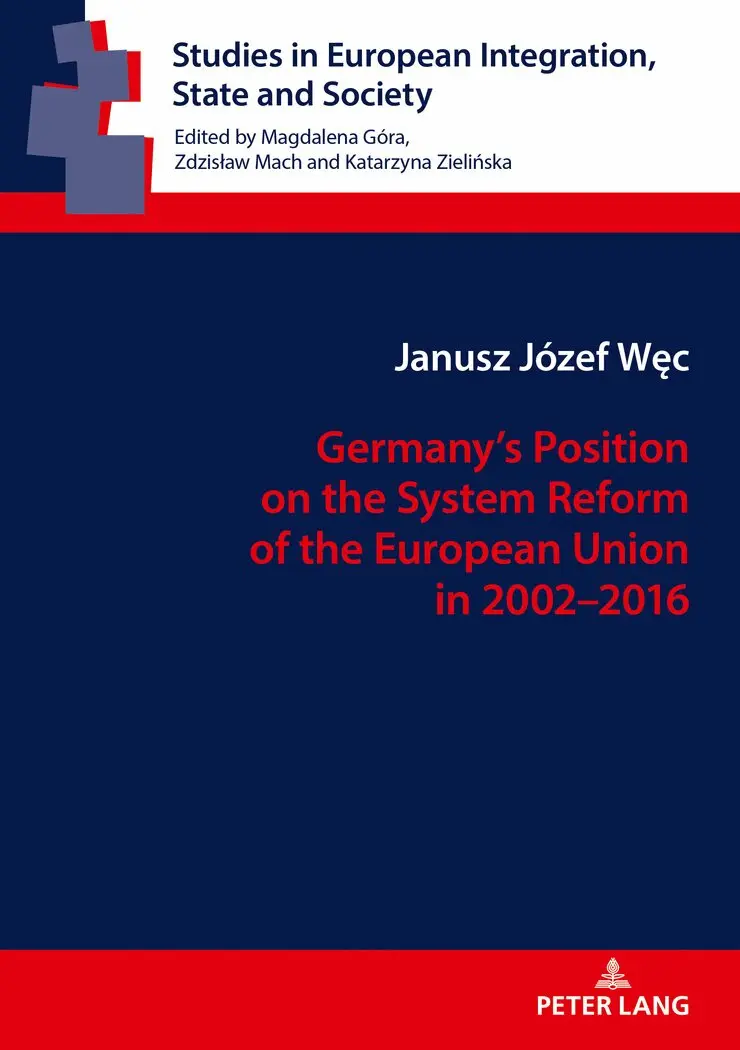
Germany’s Position on the System Reform of the European Union in 2002–2016
Av Janusz Wec, Zdzislaw Mach m. fl.
Inbunden, 2018
780 kr
Lägg i varukorg
This book presents the evolution of Germany’s stance on the reform of the European Union in the years 2002–2016. The objectives of the book are threefold: first, to analyse the positions of the German government and parliamentary opposition on the reform of the European Union’s political system in …
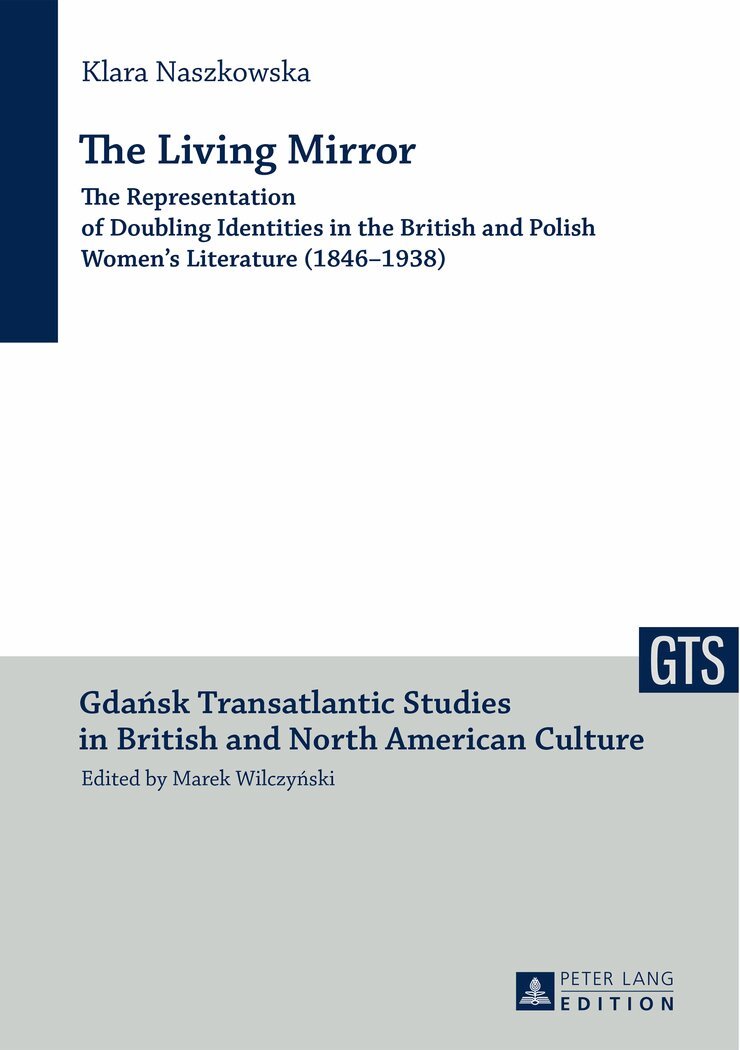
Living Mirror
The Representation of Doubling Identities in the British and Polish Women’s Literature (1846–1938)
Av Klara Naszkowska, Marek Wilczynski
Inbunden, 2014
588 kr
Tillfälligt slut
This book identifies a corpus of British and Polish texts that share correspondences with reference to the themes of feminine doubling, the difficulty of asserting feminine subjectivity, sexual mother-figures and symbolic father-figures. It draws on the Freudo-Lacanian psychoanalysis and the French …