Ko Ko Thett – författare
Visar alla böcker från författaren Ko Ko Thett. Handla med fri frakt och snabb leverans.
6 produkter
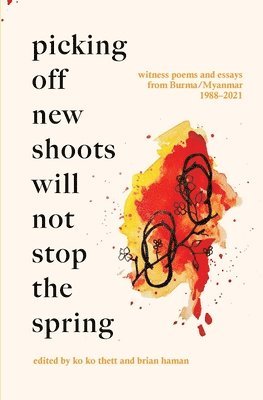
Picking Off New Shoots Will Not Stop the Spring
Witness poems and essays from Burma/Myanmar (1988-2021)
Häftad, 2022
242 kr
Lägg i varukorg
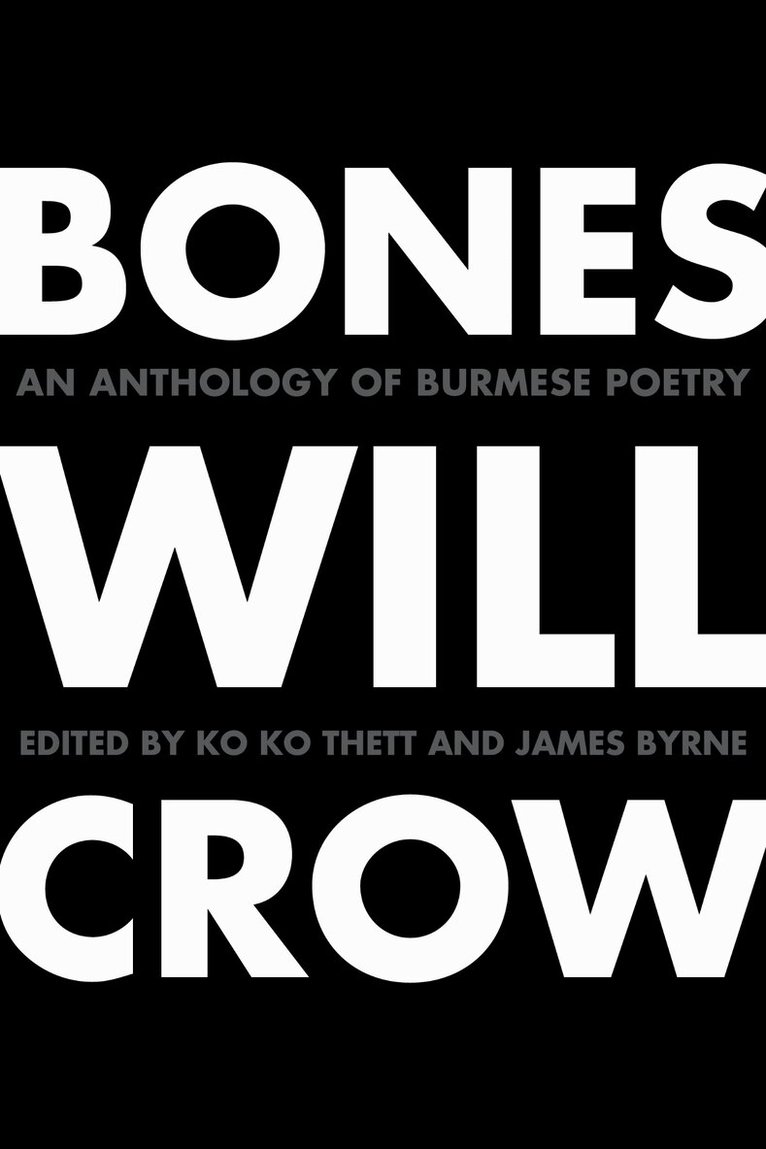
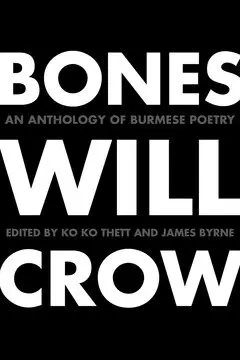
Bones Will Crow
An Anthology of Burmese Poetry
Häftad, 2013
383 kr
Lägg i varukorg
This is the first anthology of contemporary Burmese poets published in the United States and it includes the work of Burmese poets who have been in exile and in prison. The poems include global references from a culture in which foreign books and the Internet are regarded with suspicion and where …
Picking off new shoots will not stop the spring: Witness Poems and Essays from Burma/Myanmar (1988-2021)
Häftad, 2022
317 kr
Lägg i varukorg
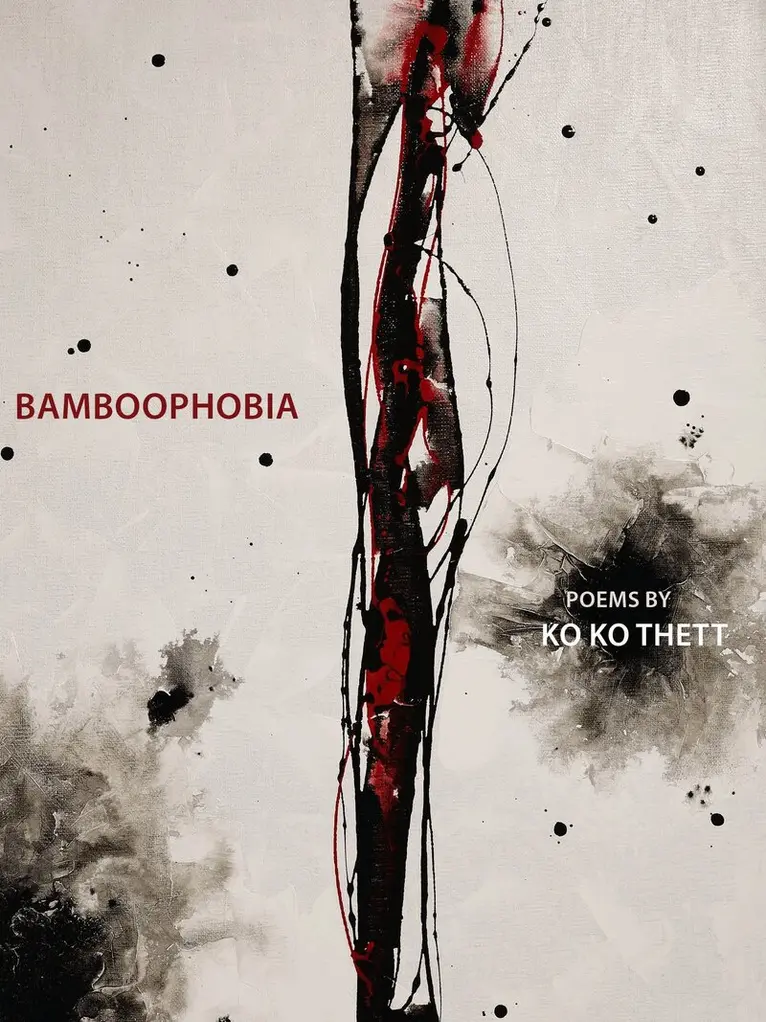
Bamboophobia
Bilingual in Burmese and English
Av ko ko thett
Häftad, 2022
172 kr
Lägg i varukorg
Ko ko thett’s poems — described by John Ashbery as “brilliantly off-kilter” — bring oddball lists, linguistic inventiveness, and sardonic humor to the brutal contradictions of life and history in and outside of his native Burma. In some poems he muses on chairs or metaphors or potatoes, while …
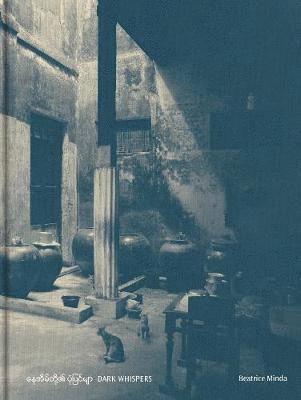
Beatrice Minda: Dark Whispers
Av Ko Ko Thett
Inbunden, 2020
410 kr
Lägg i varukorg
Beatrice Minda examines private interiors in the context of historical events in her work. In Myanmar, which was isolated for decades by a rigid military dictatorship, she photographed houses and living spaces in both cities and remote regions. She captured the traces of the inhabitants lives and …
Bones Will Crow
An Anthology of Burmese Poetry
E-bok, 2013
186 kr
Tillfälligt slut
This is the first anthology of contemporary Burmese poets published in the United States and it includes the work of Burmese poets who have been in exile and in prison. The poems include global references from a culture in which foreign books and the Internet are regarded with suspicion and where …