Kohei Okamoto – författare
Visar alla böcker från författaren Kohei Okamoto. Handla med fri frakt och snabb leverans.
6 produkter
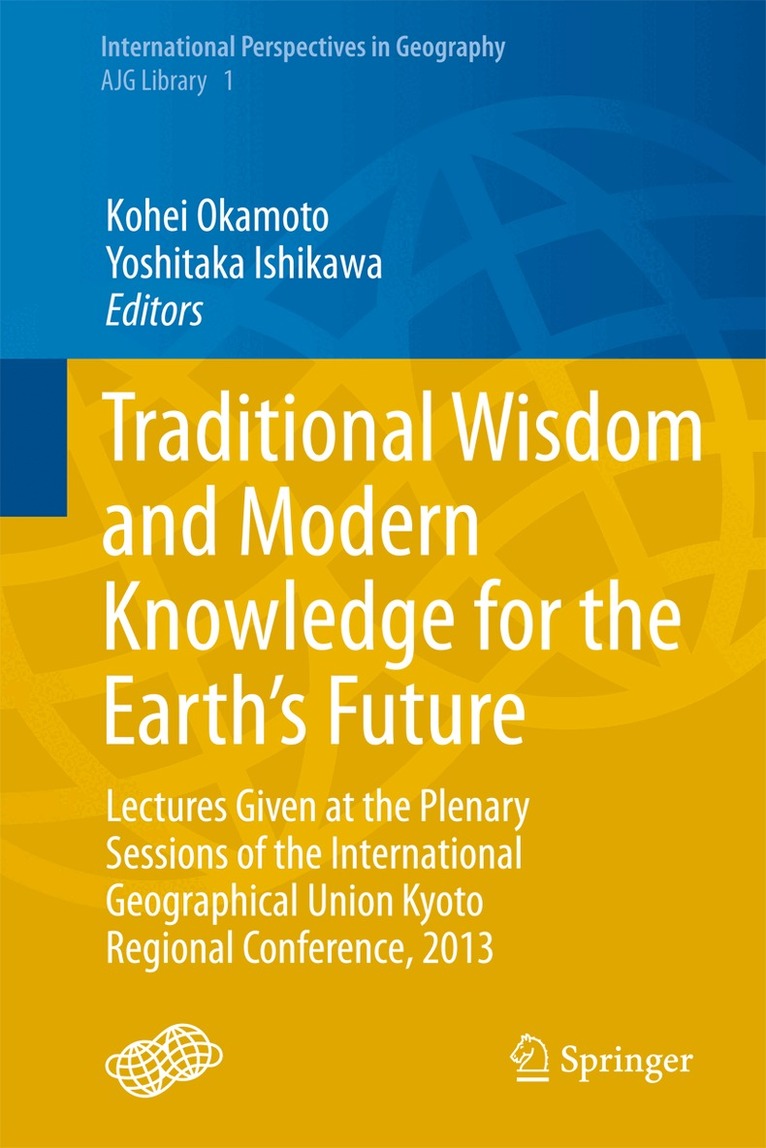
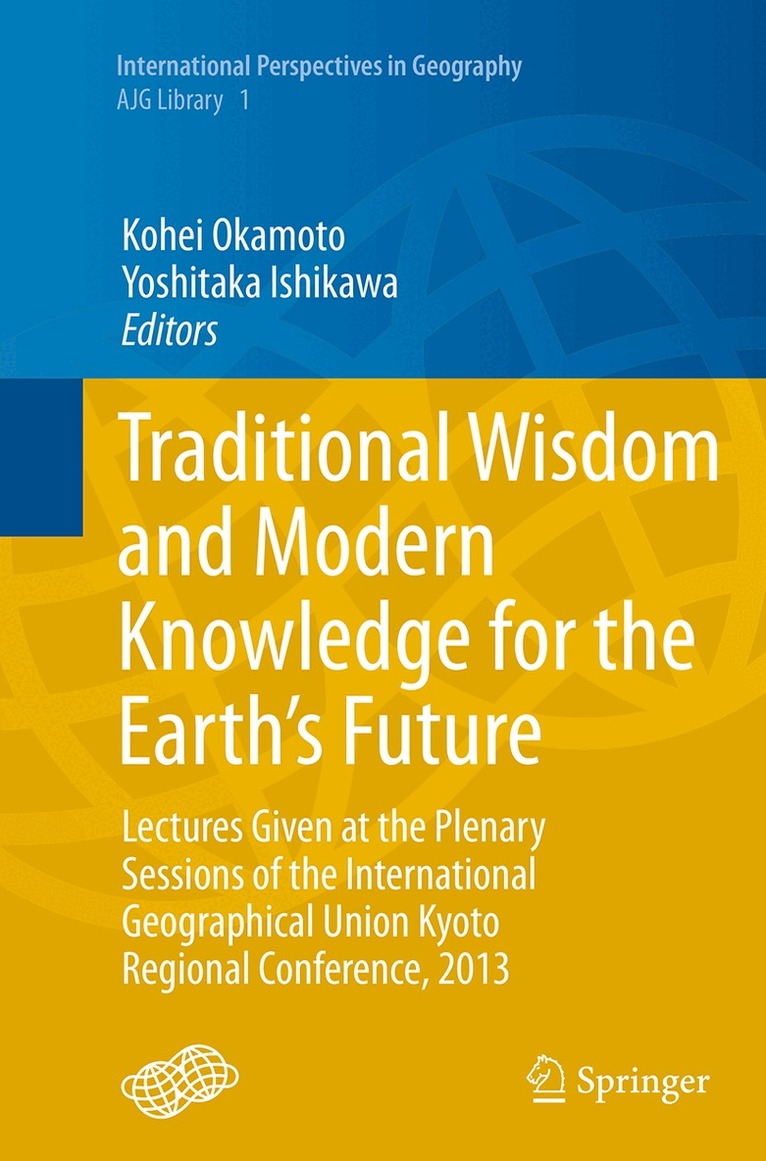
Traditional Wisdom and Modern Knowledge for the Earth’s Future
Lectures Given at the Plenary Sessions of the International Geographical Union Kyoto Regional Conference, 2013
Av Kohei Okamoto, Yoshitaka Ishikawa
Inbunden, 2014
1530 kr
Lägg i varukorg
The title of this book, Traditional Wisdom and Modern Knowledge for the Earth’s Future, is from the theme of the 2013 Kyoto Regional Conference of the International Geographical Union. Over the past few decades, globalization has strengthened connections among countries and regions of the world and …
Traditional Wisdom and Modern Knowledge for the Earth's Future
Lectures Given at the Plenary Sessions of the International Geographical Union Kyoto Regional Conference, 2013
Av Yoshitaka Ishikawa, Kohei Okamoto
E-bok, 2014
1377 kr
Lägg i varukorg
The title of this book, Traditional Wisdom and Modern Knowledge for the Earth’s Future , is from the theme of the 2013 Kyoto Regional Conference of the International Geographical Union. Over the past few decades, globalization has strengthened connections among countries and regions of the world …
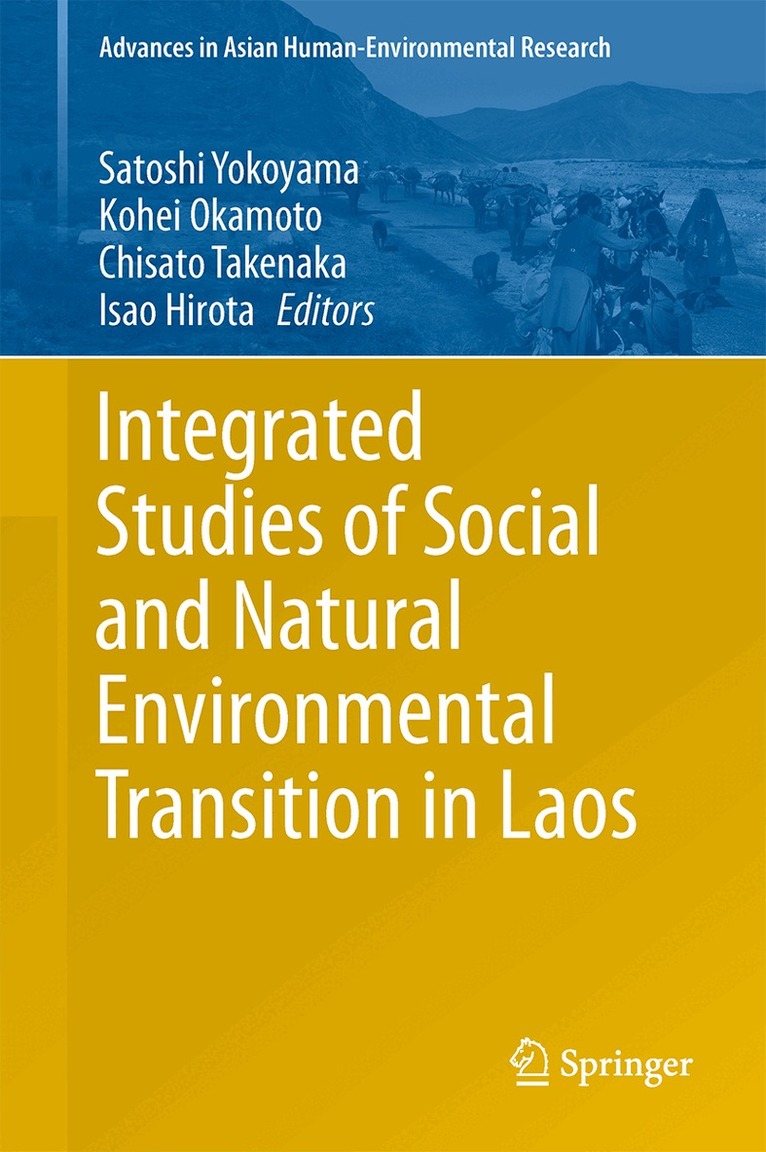
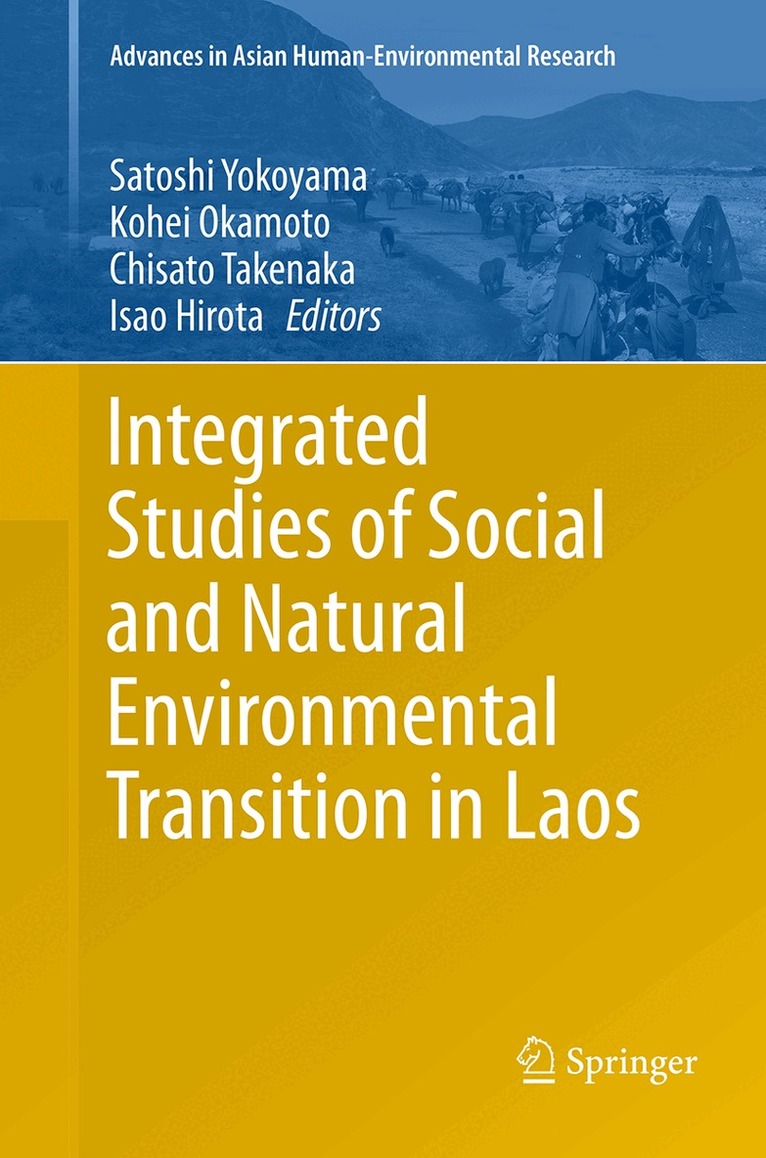
Integrated Studies of Social and Natural Environmental Transition in Laos
Av Satoshi Yokoyama, Kohei Okamoto m. fl.
Inbunden, 2014
1095 kr
Lägg i varukorg
This book examines social and natural environmental changes in present-day Laos and presents a new research framework for environmental studies from an interdisciplinary point of view. In Laos, after the Lao version of perestroika, Chintanakaan Mai, in 1986, for better or worse, rural development …
Integrated Studies of Social and Natural Environmental Transition in Laos
Av Isao Hirota, Chisato Takenaka m. fl.
E-bok, 2014
1413 kr
Lägg i varukorg
This book examines social and natural environmental changes in present-day Laos and presents a new research framework for environmental studies from an interdisciplinary point of view. In Laos, after the Lao version of perestroika, Chintanakaan Mai , in 1986, for better or worse, rural development …
Integrated Studies of Social and Natural Environmental Transition in Laos
Av Satoshi Yokoyama, Kohei Okamoto m. fl.
Häftad, 2016
1095 kr
Lägg i varukorg
This book examines social and natural environmental changes in present-day Laos and presents a new research framework for environmental studies from an interdisciplinary point of view. In Laos, after the Lao version of perestroika, Chintanakaan Mai, in 1986, for better or worse, rural development …
Traditional Wisdom and Modern Knowledge for the Earth’s Future
Lectures Given at the Plenary Sessions of the International Geographical Union Kyoto Regional Conference, 2013
Av Kohei Okamoto, Yoshitaka Ishikawa
Häftad, 2016
1227 kr
Lägg i varukorg
The title of this book, Traditional Wisdom and Modern Knowledge for the Earth’s Future, is from the theme of the 2013 Kyoto Regional Conference of the International Geographical Union. Over the past few decades, globalization has strengthened connections among countries and regions of the world and …