Koichi Hagimoto – författare
Visar alla böcker från författaren . Handla med fri frakt och snabb leverans.
7 produkter
7 produkter
Häftad, Engelska, 2023
589 kr
Skickas inom 5-8 vardagar
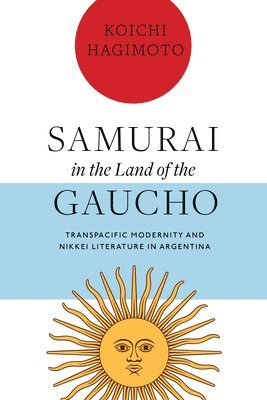
The Argentine vision of “transpacific modernity” was in part informed by historical imaginings of Japan in the early twentieth century. Intellectuals such as Eduardo Wilde and Manuel Domecq GarcÍa celebrated Japanese customs and traditions as important values that can be integrated into Argentine society. But a new generation of Nikkei or Japanese Argentines is rewriting this conventional narrative in the twenty-first century. Nikkei writers such as Maximiliano Matayoshi and Anna Kazumi Stahl are challenging the earlier, unapologetic view of Japan based on their own immigrant experiences.Compared to the experience of political persecution against Japanese immigrants in Brazil and Peru, the Japanese in Argentina generally lived under a more agreeable sociopolitical climate. In order to understand the “positive” perception of Japan in Argentine history and literature, Samurai in the Land of the Gaucho turns to the current debate on race in Argentina, particularly as it relates to the discourse of whiteness. One of the central arguments is that Argentina’s century-old interest in Japan represents a disguised method of (re)claiming its white, Western identity.Through close readings of diverse genres (travel writing, essay, novel, short story, and film) Samurai in the Land of the Gaucho yields a multi-layered analysis in order to underline the role Japan has played in both defining and defying Argentine modernity from the twenty century to the present.
Inbunden, Engelska, 2023
1 650 kr
Skickas inom 5-8 vardagar
In the early twentieth century, historical imaginings of Japan contributed to the Argentine vision of “transpacific modernity." Intellectuals such as Eduardo Wilde and Manuel Domecq GarcÍa celebrated Japanese customs and traditions as important values that can be integrated into Argentine society. But a new generation of Nikkei or Japanese Argentines is rewriting this conventional narrative in the twenty-first century. Nikkei writers such as Maximiliano Matayoshi and Alejandra Kamiya are challenging the earlier, unapologetic view of Japan based on their own immigrant experiences.Compared to the experience of political persecution against Japanese immigrants in Brazil and Peru, the Japanese in Argentina generally lived under a more agreeable sociopolitical climate. In order to understand the "positive" perception of Japan in Argentine history and literature, Samurai in the Land of the Gaucho turns to the current debate on race in Argentina, particularly as it relates to the discourse of whiteness. One of the central arguments is that Argentina's century-old interest in Japan represents a disguised method of (re)claiming its white, Western identity.Through close readings of diverse genres (travel writing, essay, novel, short story, and film) Samurai in the Land of the Gaucho yields a multi-layered analysis in order to underline the role Japan has played in both defining and defying Argentine modernity from the twentieth century to the present.
E-bok
PDF, Engelska, 2013817 kr
Läs direkt efter köp
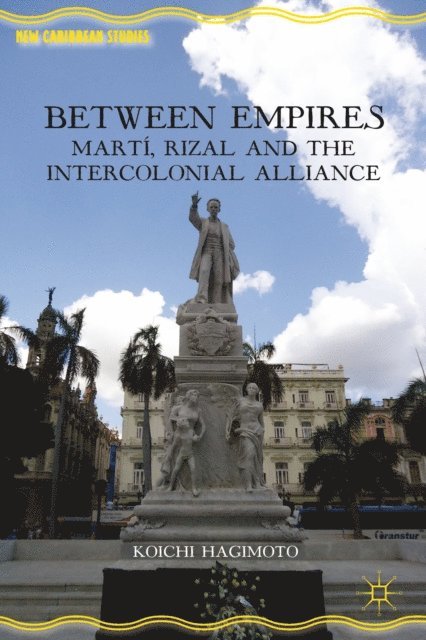
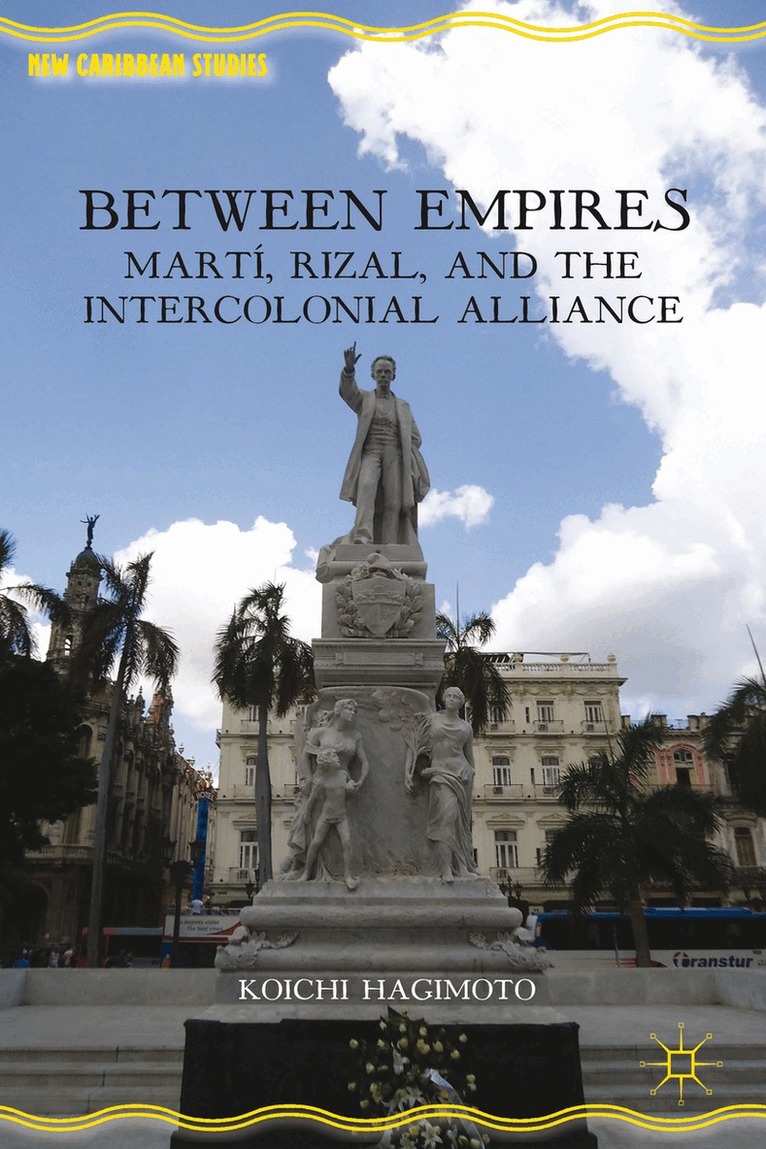
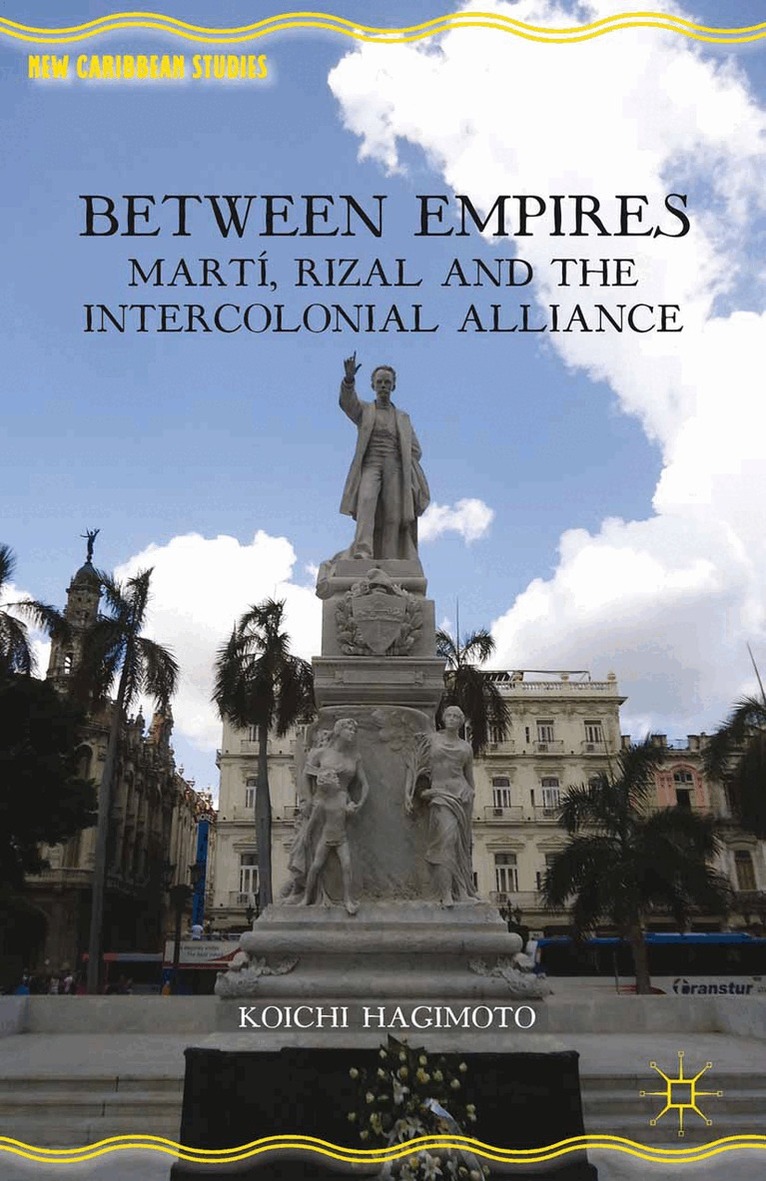
In 1898, both Cuba and the Philippines achieved their independence from Spain and then immediately became targets of US expansionism. This book presents a comparative analysis of late-nineteenth-century literature and history in Cuba and the Philippines, focusing on the writings of José Martí and José Rizal to reveal shared anti-imperial struggles.
Inbunden, Engelska, 2013
624 kr
Skickas inom 10-15 vardagar
In 1898, both Cuba and the Philippines achieved their independence from Spain and then immediately became targets of US expansionism. This book presents a comparative analysis of late-nineteenth-century literature and history in Cuba and the Philippines, focusing on the writings of José Martí and José Rizal to reveal shared anti-imperial struggles.
Häftad, Engelska, 2013
624 kr
Skickas inom 10-15 vardagar
In 1898, both Cuba and the Philippines achieved their independence from Spain and then immediately became targets of US expansionism. This book presents a comparative analysis of late-nineteenth-century literature and history in Cuba and the Philippines, focusing on the writings of José Martí and José Rizal to reveal shared anti-imperial struggles.
419 kr
Läs direkt efter köp
La confrontación permanente de horizontes culturales muy diversos se extiende hacia las regiones geográficas de América Latina que, en el pasado, solían ubicarse en el Sur, sugiriendo una posición secundaria, la cual, teóricamente, se calificó como subdesarrollada, periférica, tercermundista o subalterna postcolonial. Sin embargo, esta división ya no es aplicable a su función simbólica cultural, debido a que sus habitantes se desplazan con rapidez y, al mismo tiempo, se yuxtaponen con los migrantes de otros continentes, estableciendo nuevas relaciones entre ellos y con otras tradiciones lingüísticas. Este proceso se acelera gracias a la interconexión brindada por los medios, a través del arte y de la literatura y del mundo digital de los blogs, YouTube y las redes sociales. El confín de las lenguas ibéricas va incorporando otros universos culturales, construyendo lazos que implantan una comunicación con características que sobrepasan la noción de una geografía determinada por la dicotomía Sur-Norte del pasado
Inbunden, Engelska, 2016
1 502 kr
Tillfälligt slut
While the origin of trans-pacific contact between Asia and the New World can be traced as far back as the pre-Columbian period, it was not until the fifteenth century that communication across the Pacific became constant. Despite this history, the myriad encounters that constitute the basic contours of transpacific studies have often been overshadowed by the traditional emphasis on transatlantic studies. In addition, although socio-political ties between Asia and Latin America have drawn attention among politicians and economists in recent years, there continues to be a critical void in the studies of literary, cultural, and historical relations between the two regions. This book challenges this double negligence, and engages in a global discussion about the relationship between Asia and the Hispanic world, which includes not only Spanish America, but also the Philippines under the Spanish empire. The essays presented in this volume explore the multidimensional nature of the trans-pacific intersection through historical studies, as well as literary and cultural criticism. Topics investigated include, for example, the overlooked aspect of the Hispanic Philippines, the "Orientalized" images of Latin American colonial art, modernista and vanguardista writings about India, and the experience of a Peruvian migrant worker in contemporary Japan. The diverse perspectives that the authors offer create a dialogue with each other, and together provide an interdisciplinary approach to the understanding of trans-pacific encounters, both past and present.