
Konrad Adriaan Ottenheym - Böcker
Visar alla böcker från författaren Konrad Adriaan Ottenheym. Handla med fri frakt och snabb leverans.
2 produkter
2 produkter
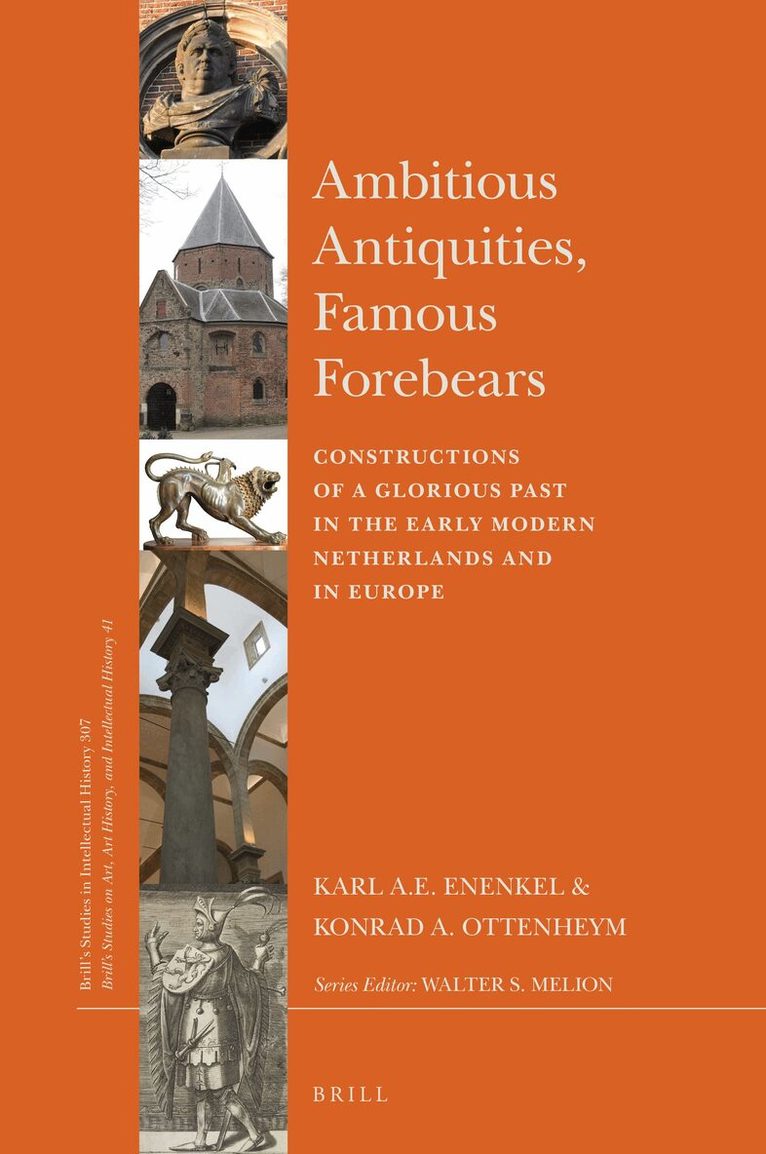
Ambitious Antiquities, Famous Forebears
Constructions of a Glorious Past in the Early Modern Netherlands and in Europe
Inbunden, Engelska, 2019
1 970 kr
Skickas inom 5-8 vardagar
This monograph studies the constructions of ‘impressive’ historical descent manufactured to create ‘national’, regional, or local antiquities in early modern Europe (1500-1700), especially the Netherlands. This was a period characterised by important political changes and therefore by an increased need for legitimation; a need which was met using historical claims. Literature, scholarship, art and architecture were pivotal media that were used to furnish evidence of the impressively old lineage of states, regions or families. These claims related not only to Classical antiquity (in the generally-known sense) but also to other periods that were regarded as periods of antiquity, such as the chivalric age. The authors of this volume analyse these intriguing early modern constructions of appropriate “antiquities” and investigate the ways in which they were applied in political, intellectual and artistic contexts in Europe, especially in the Northern Low Countries.This book is a revised and augmented translation of Oudheid als ambitie: De zoektocht naar een passend verleden, 1400–1700 (Nijmegen: Vantilt, 2017).
Del 14 - NIKI Studies in Netherlandish-Italian Art History
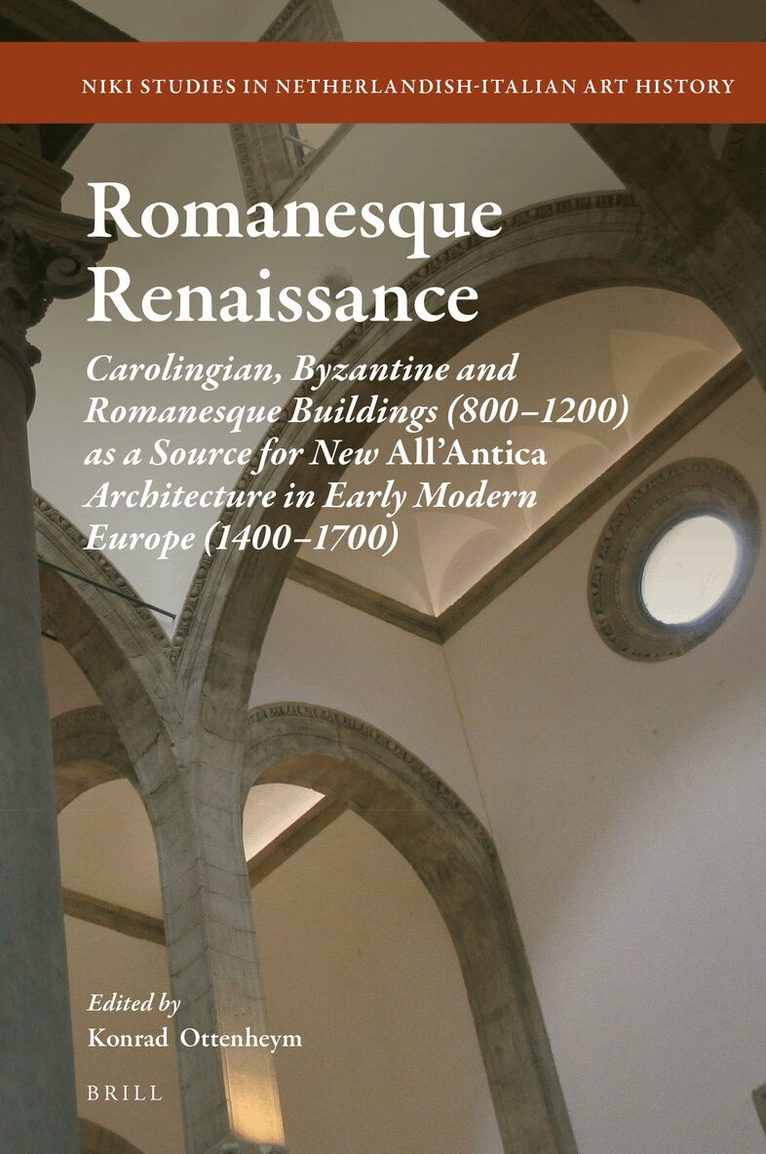
Romanesque Renaissance
Carolingian, Byzantine and Romanesque Buildings (800–1200) as a Source for New All’Antica Architecture in Early Modern Europe (1400–1700)
Inbunden, Engelska, 2021
2 976 kr
Skickas inom 5-8 vardagar
In early modern times scholars and architects investigated age-old buildings in order to look for useful sources of inspiration. They too, occasionally misinterpreted younger buildings as proofs of majestic Roman or other ancient glory, such as the buildings of the Carolingian, Ottonian and Stauffer emperors. But even if the correct age of a certain building was known, buildings from c. 800–1200 were sometimes regarded as ‘Antique’ architecture, since the concept of ‘Antiquity’ was far more stretched than our modern periodisation allows. This was a Europe-wide phenomenon. The results are rather diverse in style, but they all share an intellectual and artistic strategy: a conscious revival of an ‘ancient’ architecture — whatever the date and origin of these models. Contributors: Barbara Arciszewska, Lex Bosman, Ian Campbell, Eliana Carrara, Bianca de Divitiis, Krista De Jonge, Emanuela Ferretti, Emanuela Garofalo, Stefaan Grieten, Hubertus Günther, Stephan Hoppe, Sanne Maekelberg, Kristoffer Neville, Marco Rosario Nobile, Konrad Ottenheym, Stefano Piazza, and Richard Schofield.