Konrad Michel – författare
Visar alla böcker från författaren Konrad Michel. Handla med fri frakt och snabb leverans.
9 produkter
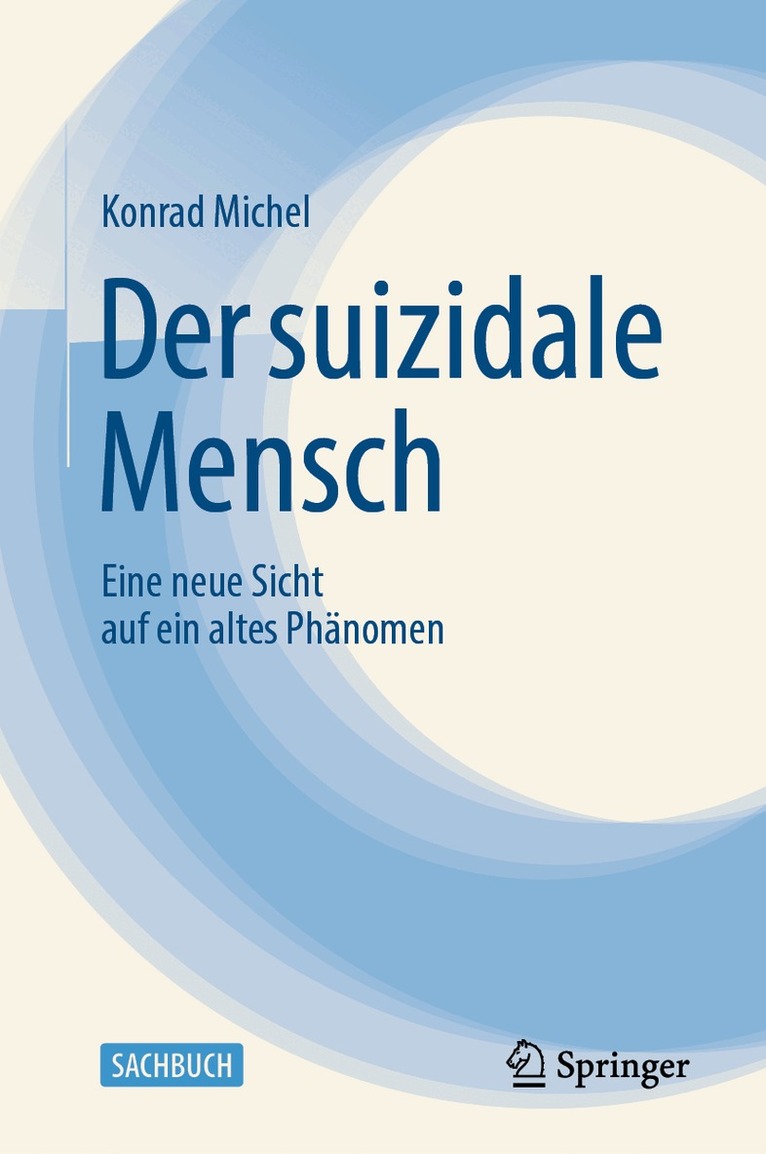
Der suizidale Mensch
Eine neue Sicht auf ein altes Phänomen
Inbunden, 2025
374 kr
Lägg i varukorg
Dieses Buch zeigt, dass Suizid nicht nur eine Folge einer psychischen Erkrankung ist, sondern eine Handlung, die mit der Lebensgeschichte eines Menschen zusammenhängt. Auf der Grundlage von Hunderten von Interviews mit suizidgefährdeten Patienten argumentiert der Autor, dass Suizid und …
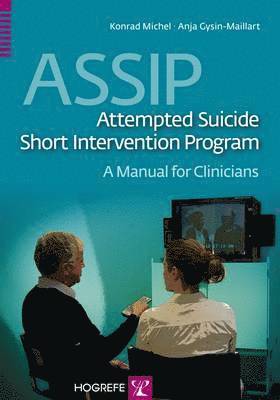
ASSIP - Attempted Suicide Short Intervention Program: A Manual for Clinicians
Av Konrad Michel, Anjy Gysin-Maillart
Häftad, 2015
539 kr
Lägg i varukorg
Attempted suicide is the main risk factor for suicide. The Attempted Suicide Short Intervention Program (ASSIP) described in this manual is an innovative brief therapy that has proven in published clinical trials to be highly effective in reducing the risk of further attempts. ASSIP is the result …
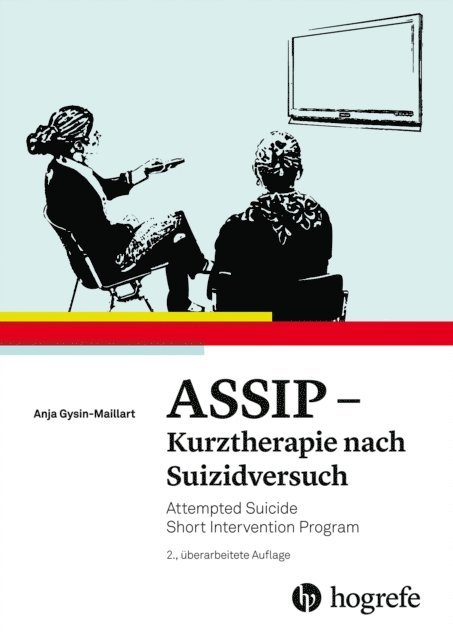
ASSIP - Kurztherapie nach Suizidversuch
Attempted Sucide Short Intervention Program
Av Konrad Michel, Anja Gysin-Maillart
E-bok, 2021
372 kr
Lägg i varukorg
Suizidgedanken und suizidales Verhalten sind häufig auftretende Phänomene in der Bevölkerung. Die Arbeit mit dem suizidalen Patienten fällt jedoch vielen Klinikern schwer. Das vorliegende Manual stellt die Kurztherapie ASSIP (Attempted Suicide Short Intervention Program) vor, welche das Risiko für …
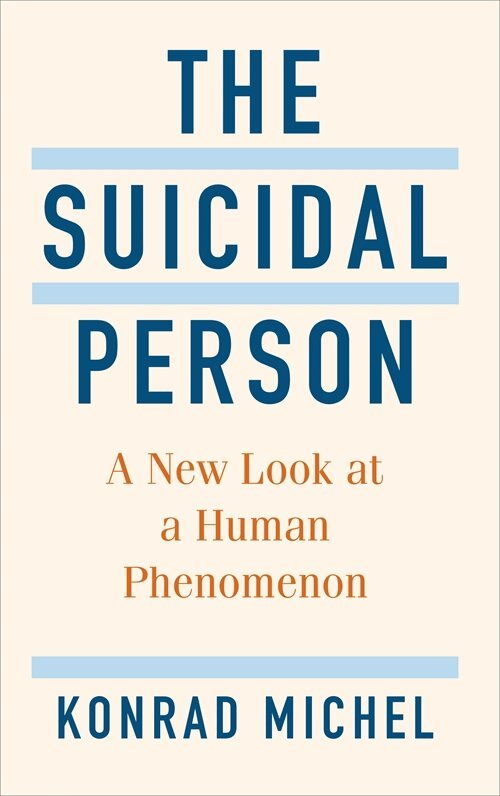
The Suicidal Person
A New Look at a Human Phenomenon
Inbunden, 2023
289 kr
Lägg i varukorg
Konrad Michel, a leading psychiatrist and acclaimed expert, draws on decades of experience to offer necessary new ways of understanding—and preventing—suicide. After one of his first patients died by suicide, Michel devoted himself to researching self-harm. Writing vividly and personally, he …
ASSIP - Attempted Suicide Short Intervention Program
A Manual for Clinicians
Av Anja Gysin-Maillart, Konrad Michel
E-bok, 2016
433 kr
Lägg i varukorg
An innovative and highly effective brief therapy for suicidal patients – a complete treatment ManualAttempted suicide is the main risk factor for suicide. The Attempted Suicide Short Intervention Program (ASSIP) described in this manual is an innovative brief therapy that has proven in published …
ASSIP - Attempted Suicide Short Intervention Program
A Manual for Clinicians
Av Anja Gysin-Maillart, Konrad Michel
E-bok, 2016
433 kr
Lägg i varukorg
An innovative and highly effective brief therapy for suicidal patients – a complete treatment ManualAttempted suicide is the main risk factor for suicide. The Attempted Suicide Short Intervention Program (ASSIP) described in this manual is an innovative brief therapy that has proven in published …
ASSIP - Kurztherapie nach Suizidversuch
Av Anja Gysin-Maillart, Konrad Michel
Häftad, 2021
489 kr
Lägg i varukorg
ASSIP - Kurztherapie nach Suizidversuch
Attempted Sucide Short Intervention Program
Av Konrad Michel, Anja Gysin-Maillart
E-bok, 2021
372 kr
Lägg i varukorg
Suizidgedanken und suizidales Verhalten sind häufig auftretende Phänomene in der Bevölkerung. Die Arbeit mit dem suizidalen Patienten fällt jedoch vielen Klinikern schwer. Das vorliegende Manual stellt die Kurztherapie ASSIP (Attempted Suicide Short Intervention Program) vor, welche das Risiko für …
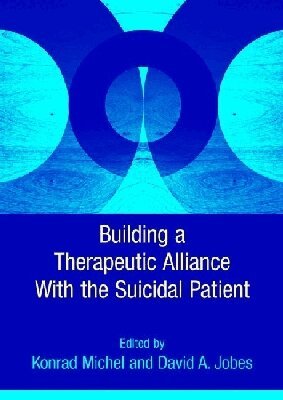
Building a Therapeutic Alliance with the Suicidal Patient
Av Konrad Michel, David Alan Jobes
Inbunden, 2010
454 kr
Tillfälligt slut
Mental health professionals working with patients at risk for suicide must recognize a fundamental conflict at the heart of good clinical practice: while they are experts in the assessment of disorders of mental health, when it comes to the patient's story, the patient is the expert. Any successful …