1 419 kr
Skickas inom 5-8 vardagar
1 419 kr
Skickas inom 5-8 vardagar
317 kr
Skickas
377 kr
Skickas inom 5-8 vardagar
312 kr
Skickas inom 5-8 vardagar
639 kr
Läs direkt efter köp
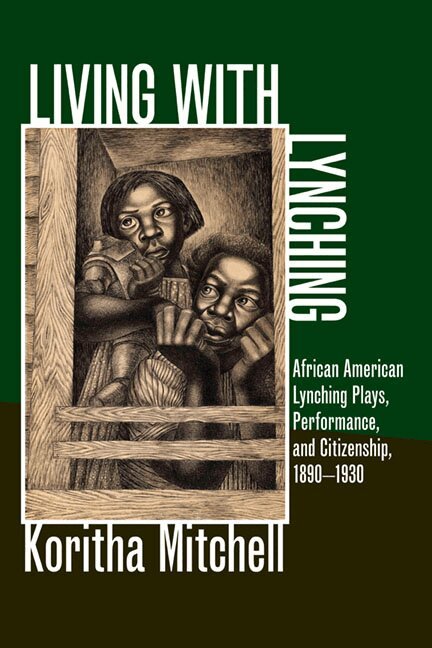
In closely analyzing the political and spiritual uses of black theatre during the Progressive Era, Mitchell demonstrates that audiences were shown affective ties in black families, a subject often erased in mainstream images of African Americans. Examining lynching plays as archival texts that embody and reflect broad networks of sociocultural activism and exchange in the lives of black Americans, Mitchell finds that audiences were rehearsing and improvising new ways of enduring in the face of widespread racial terrorism. Images of the black soldier, lawyer, mother, and wife helped readers assure each other that they were upstanding individuals who deserved the right to participate in national culture and politics. These powerful community coping efforts helped African Americans band together and withstand the nation''s rejection of them as viable citizens.
The Left of Black interview with author Koritha Mitchell begins at 14:00.
An interview with Koritha Mitchell at The Ohio Channel.
282 kr
Skickas
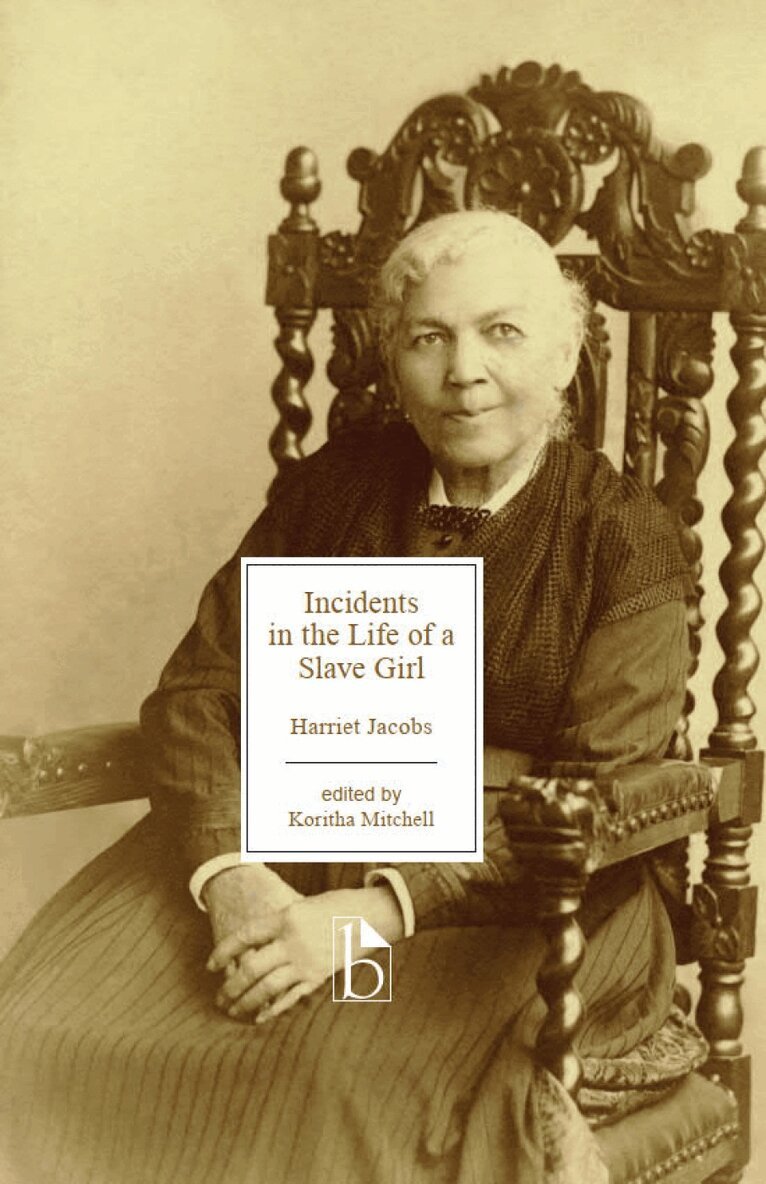
In 1861, Harriet Jacobs became the first formerly enslaved African American woman to publish a book-length account of her life. In crafting her coming-of-age story, she insisted upon biographical accuracy and bold creativity—telling the truth while giving herself and others fictionalized names. She also adapted conventions from two other popular genres: the sentimental novel and the slave narrative. Then, despite facing obstacles not encountered by white women and Black men, she orchestrated the book’s publication and became a traveling bookseller in an effort to inspire passive Americans to support the abolition of slavery.
Engaging with the latest research on Jacobs’s life and work, this edition helps readers to understand the magnitude of her achievement in writing, publishing, and distributing her life story. However, it also shows how this monumental accomplishment was only the beginning of her contributions, given her advocacy work over the nearly forty years that she lived after its publication. As a survivor of sexual abuse who became an advocate, Jacobs laid a foundation for activist movements such as #BlackLivesMatter and #MeToo. This edition also features six appendices, placing at readers’ fingertips resources that further illuminate the issues raised by Jacobs’s remarkable life and legacy.