Kristene A. Doyle - Böcker
Visar alla böcker från författaren Kristene A. Doyle. Handla med fri frakt och snabb leverans.
6 produkter
6 produkter
1 020 kr
Skickas inom 5-8 vardagar
Extensively updated to include clinical findings over the last two decades, this third edition of A Practitioner's Guide to Rational-Emotive Behavior Therapy reviews the philosophy, theory, and clinical practice of Rational Emotive Behavior Therapy (REBT). This model is based on the work of Albert Ellis, who had an enormous influence on the field of psychotherapy over his 50 years of practice and scholarly writing. Designed for both therapists-in-training and seasoned professionals, this practical treatment manual and guide introduces the basic principles of rational-emotive behavior therapy, explains general therapeutic strategies, and offers many illustrative dialogues between therapist and patient. The volume breaks down each stage of therapy to present the exact procedures and skills therapists need, and numerous case studies illustrate how to use these skills. The authors describe both technical and specific strategic interventions, and they stress taking an integrative approach. The importance of building a therapeutic alliance and the use of cognitive, emotive, evocative, imaginal, and behavioral interventions serves as the unifying theme of the approach. Intervention models are presented for the treatment of anxiety, depression, trauma, anger, personality disorders, and addictions. Psychologists, clinical social workers, mental health counselors, psychotherapists, and students and trainees in these areas will find this book useful in learning to apply rational-emotive behavior therapy in practice.
How To Stubbornly Refuse to Make Yourself Miserable About Anything, Yes Anything!
Häftad, Engelska, 2016
226 kr
Skickas inom 3-6 vardagar
522 kr
Skickas inom 7-10 vardagar
Deliberate practice exercises provide trainees and students an opportunity to build competence in essential rational emotive behavior therapy (REBT) skills while developing their own personal therapeutic style. These exercises present role-playing scenarios in which two trainees act as a client and a clinician, switching back and forth under the guidance of a supervisor. The clinician improvises appropriate and authentic responses to client statements organized into three difficulty levels-beginner, intermediate, and advanced-that reflect common client questions and concerns. Each of the first 2 exercises focuses on a single skill, such as psychoeducation, assessing and disputing irrational beliefs, helping clients differentiate maladaptive vs. adaptive behaviors and emotions, teaching clients the ABC model, and developing homework assignments. Two comprehensive exercises follow in which trainees integrate these essential skills into a single REBT session. Step-by-step instructions guide participants through the exercises, identify criteria for mastering each skill, and explain how to monitor and adjust difficulty. Guidelines to help trainers and trainees get the most out of training are also provided.
476 kr
Skickas inom 5-8 vardagar
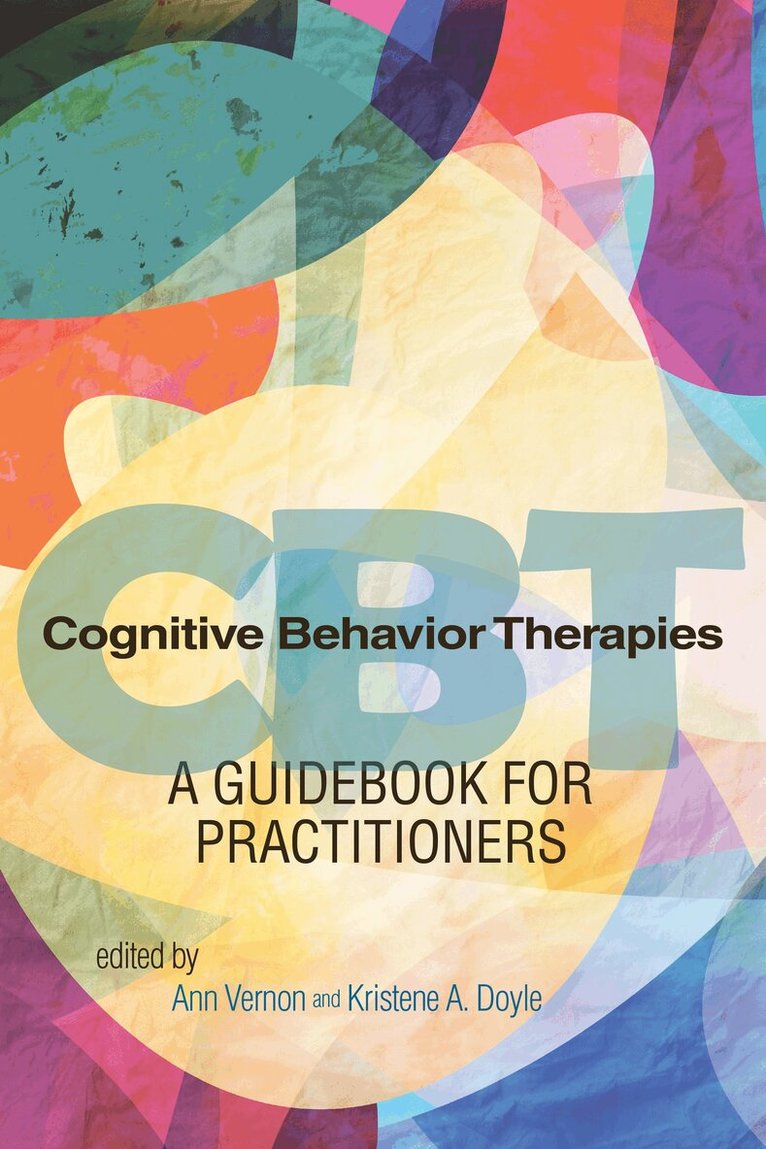
This comprehensive book showcases different approaches to cognitive behavior therapy (CBT) and focuses on the implementation of these various theories in real-world practice. Following an overview of cognitive therapy, practitioners and scholars discuss behavior therapy, cognitive therapy, rational emotive behavior therapy, multimodal therapy, acceptance and commitment therapy, dialectical behavior therapy, and mindfulness. Each theory highlighted includes a profile of the theorist(s), an overview of the basic principles of the theory, an explanation of the therapeutic process, an array of targeted interventions, a verbatim case transcript with a critique of what was effective and what could have been done differently, an analysis of the limitations of the theory, and reflective sidebars to facilitate learning. The final chapter presents a single case study discussed from the perspective of each particular theory.
2 551 kr
Skickas inom 10-15 vardagar
This book presents a new approach to understanding the history and practice of cognitive-behavior therapy by presenting country profiles in 38 countries located around the world. The objectives of this edited volume are to provide a broad understanding of the practice of CBT internationally as well as country specific practices that will provide researchers and practitioners with important information for consideration in the application of CBT.The book begins with an introductory chapter by the editors that discusses the history of CBT and the efforts to globalize and disseminate the science and practice of CBT as well as the unique cultural and international variables. The subsequent chapters offer detailed country profiles of the history and practice of CBT from around the globe. More specifically, chapters will provide an overview of the country, a history of psychotherapy in the country, current regulations regarding psychotherapy provision, professional and cognitive behavior therapy organizations, training opportunities/programs in CBT, populations most frequently worked with using CBT in the country, the use and adaptation of CBT, the research on CBT in the country, and CBT with special populations (children, immigrants, HIV+, etc). Many of the nations represented are the most populous and influential ones in their respective regions where CBT has been incorporated into psychotherapy training and practice. Taken as a whole, the countries are quite diverse in terms of sociocultural, economic, and political conditions and the impact of these variables on the practice of CBT in the country will be discussed. The final chapter of the volume offers a summary of the patterns of practice, integrating the main findings and challenges and discussing them within a global context. A discussion of the vision for next steps in the globalization of CBT concludes the book.
2 551 kr
Skickas inom 10-15 vardagar
This book presents a new approach to understanding the history and practice of cognitive-behavior therapy by presenting country profiles in 38 countries located around the world. The objectives of this edited volume are to provide a broad understanding of the practice of CBT internationally as well as country specific practices that will provide researchers and practitioners with important information for consideration in the application of CBT.The book begins with an introductory chapter by the editors that discusses the history of CBT and the efforts to globalize and disseminate the science and practice of CBT as well as the unique cultural and international variables. The subsequent chapters offer detailed country profiles of the history and practice of CBT from around the globe. More specifically, chapters will provide an overview of the country, a history of psychotherapy in the country, current regulations regarding psychotherapy provision, professional and cognitive behavior therapy organizations, training opportunities/programs in CBT, populations most frequently worked with using CBT in the country, the use and adaptation of CBT, the research on CBT in the country, and CBT with special populations (children, immigrants, HIV+, etc). Many of the nations represented are the most populous and influential ones in their respective regions where CBT has been incorporated into psychotherapy training and practice. Taken as a whole, the countries are quite diverse in terms of sociocultural, economic, and political conditions and the impact of these variables on the practice of CBT in the country will be discussed. The final chapter of the volume offers a summary of the patterns of practice, integrating the main findings and challenges and discussing them within a global context. A discussion of the vision for next steps in the globalization of CBT concludes the book.