Kristin Allukian – författare
Visar alla böcker från författaren Kristin Allukian. Handla med fri frakt och snabb leverans.
5 produkter
5 produkter
Häftad, Engelska, 2023
548 kr
Skickas inom 3-6 vardagar
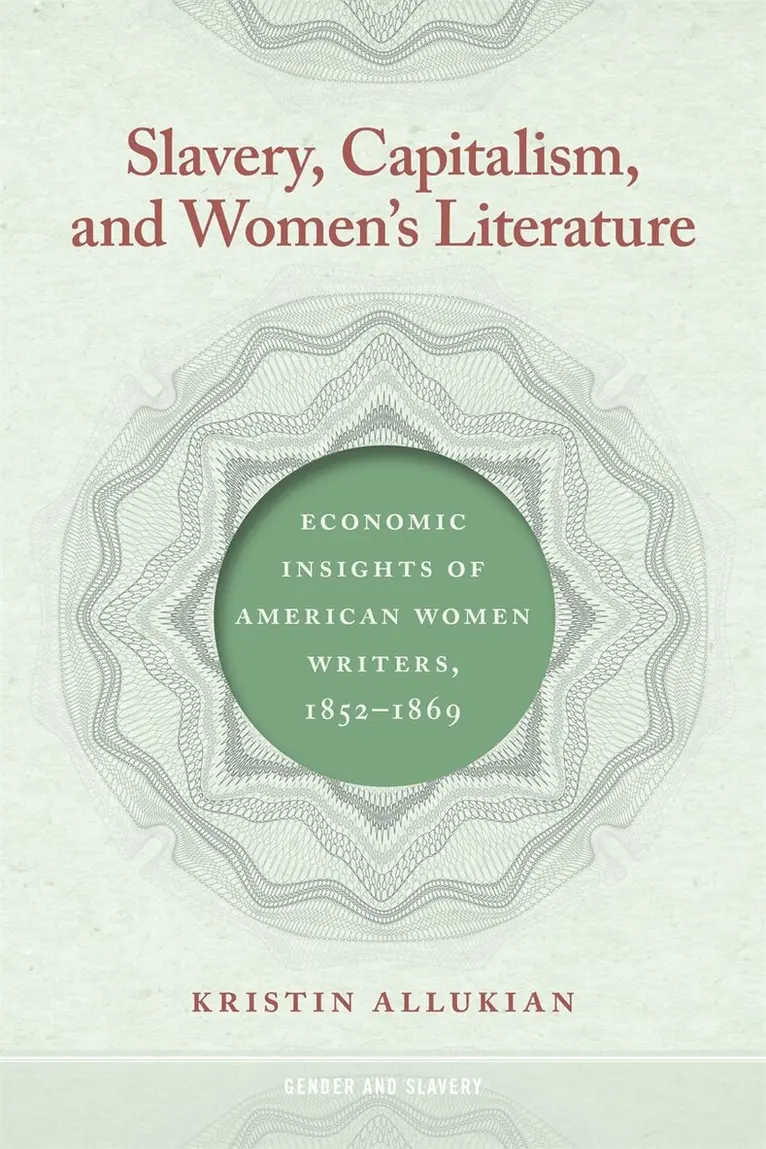
With Slavery, Capitalism, and Women’s Literature, Kristin Allukian makes an important contribution to slavery and capitalism scholarship by including the voices of some of the best-known nineteenth-century American women writers. Women’s literature offers crucial and previously unconsidered economic insights into the relationship between slavery and capitalism, different from those we typically find in economics and economic histories. Allukian demonstrates that because women’s imaginative and creative texts take the material-historical connection of slavery and capitalism as their starting point, they can be read for the more speculative extensions of that connection, extensions not possible to discover on a material-historical level. Indeed, Allukian contends, these authors and texts disclose unique economic insights, critiques, and theories in ways that are only possible through literary writing.The writers featured in this study—Harriet Beecher Stowe, Lucy Larcom, Harriet Jacobs, and Frances Ellen Watkins Harper—published written accounts of the continuities between slavery and capitalism including between language and activism, accounting and sentimentalism, labor and technology, race and property, and inheritance and reparations. Their essays, novels, poems, and autobiographies provided forums to document data, stimulate debate, generate resistance, and imagine alternatives to the United States’ developing capitalist economy, engined and engineered by slavery. Without their unique economic insights, the national narrative we tell about the relationship between slavery and capitalism is incomplete.
Inbunden, Engelska, 2023
2 216 kr
Skickas inom 3-6 vardagar
With Slavery, Capitalism, and Women’s Literature, Kristin Allukian makes an important contribution to slavery and capitalism scholarship by including the voices of some of the best-known nineteenth-century American women writers. Women’s literature offers crucial and previously unconsidered economic insights into the relationship between slavery and capitalism, different from those we typically find in economics and economic histories. Allukian demonstrates that because women’s imaginative and creative texts take the material-historical connection of slavery and capitalism as their starting point, they can be read for the more speculative extensions of that connection, extensions not possible to discover on a material-historical level. Indeed, Allukian contends, these authors and texts disclose unique economic insights, critiques, and theories in ways that are only possible through literary writing.The writers featured in this study—Harriet Beecher Stowe, Lucy Larcom, Harriet Jacobs, and Frances Ellen Watkins Harper—published written accounts of the continuities between slavery and capitalism including between language and activism, accounting and sentimentalism, labor and technology, race and property, and inheritance and reparations. Their essays, novels, poems, and autobiographies provided forums to document data, stimulate debate, generate resistance, and imagine alternatives to the United States’ developing capitalist economy, engined and engineered by slavery. Without their unique economic insights, the national narrative we tell about the relationship between slavery and capitalism is incomplete.
Häftad, Engelska, 2018
1 194 kr
Skickas inom 10-15 vardagar
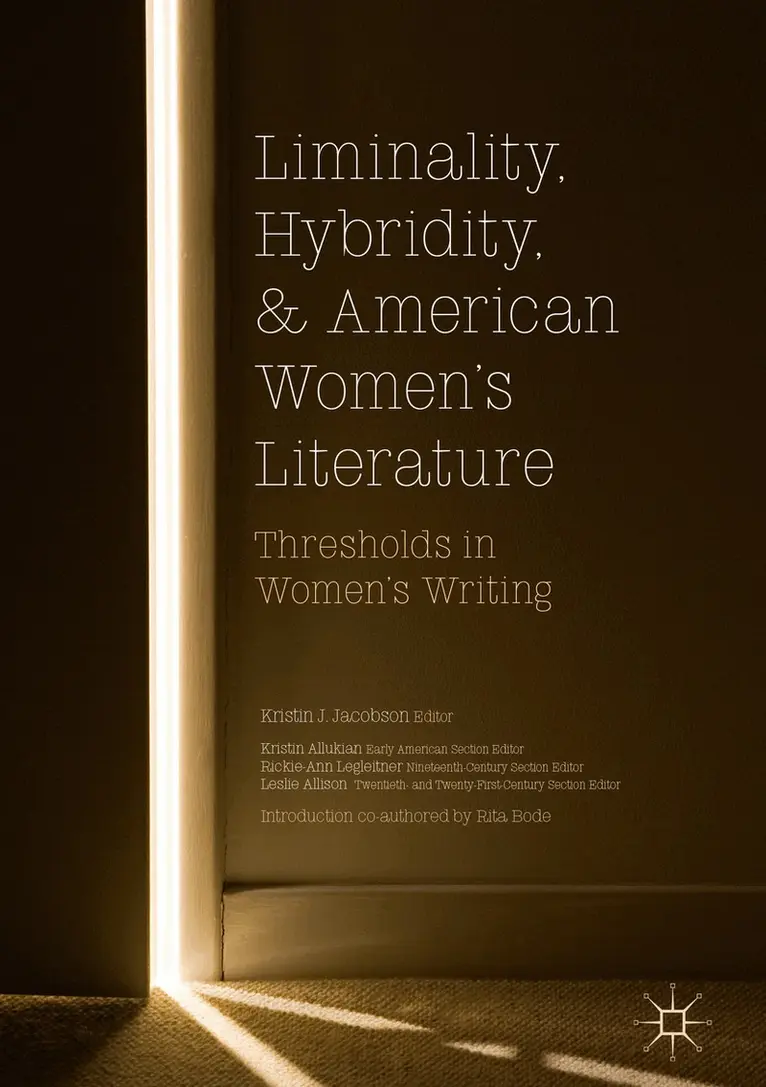
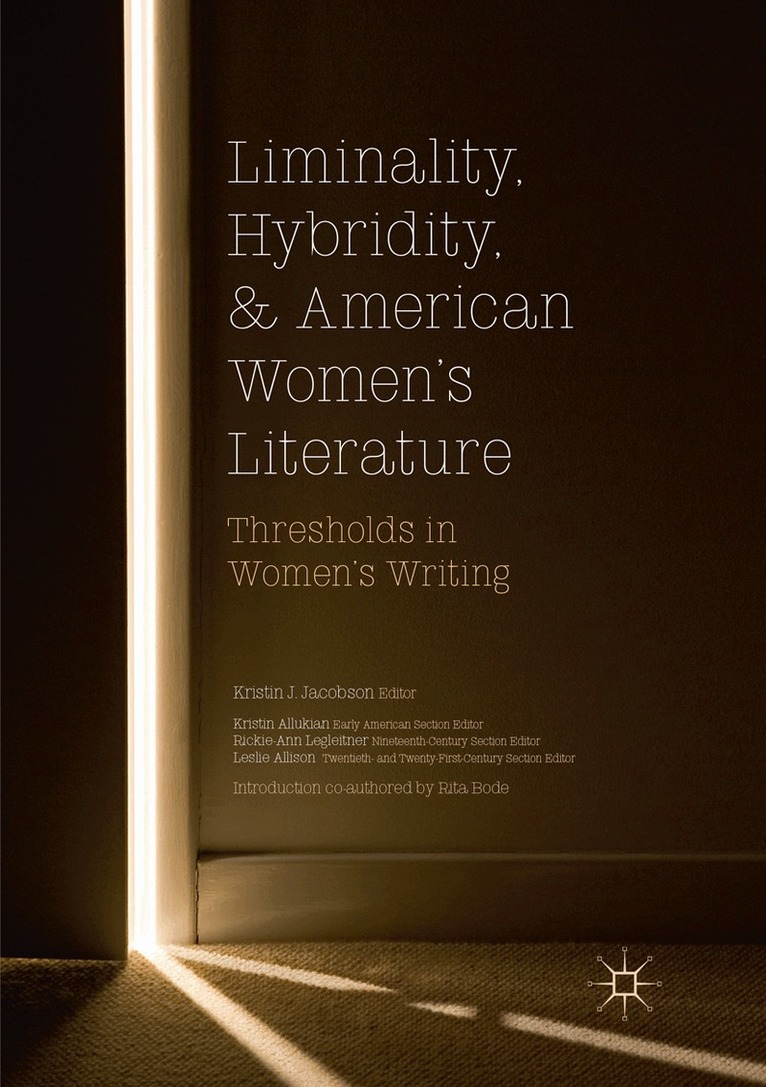
This book highlights the multiplicity of American women’s writing related to liminality and hybridity from its beginnings to the contemporary moment. Often informed by notions of crossing, intersectionality, transition, and transformation, these concepts as they appear in American women’s writing contest as well as perpetuate exclusionary practices involving class, ethnicity, gender, race, religion, and sex, among other variables. The collection’s introduction, three unit introductions, fourteen individual essays, and afterward facilitate a process of encounters, engagements, and conversations within, between, among, and across the rich polyphony that constitutes the creative acts of American women writers. The contributors offer fresh perspectives on canonical writers as well as introduce readers to new authors. As a whole, the collection demonstrates American women’s writing is “threshold writing,” or writing that occupies a liminal, hybrid space that both delimits bordersand offers enticing openings.
Inbunden, Engelska, 2018
1 194 kr
Skickas inom 10-15 vardagar
This book highlights the multiplicity of American women’s writing related to liminality and hybridity from its beginnings to the contemporary moment. Often informed by notions of crossing, intersectionality, transition, and transformation, these concepts as they appear in American women’s writing contest as well as perpetuate exclusionary practices involving class, ethnicity, gender, race, religion, and sex, among other variables. The collection’s introduction, three unit introductions, fourteen individual essays, and afterward facilitate a process of encounters, engagements, and conversations within, between, among, and across the rich polyphony that constitutes the creative acts of American women writers. The contributors offer fresh perspectives on canonical writers as well as introduce readers to new authors. As a whole, the collection demonstrates American women’s writing is “threshold writing,” or writing that occupies a liminal, hybrid space that both delimits bordersand offers enticing openings.
E-bok
Engelska, 20181 497 kr
Läs direkt efter köp
This book highlights the multiplicity of American women’s writing related to liminality and hybridity from its beginnings to the contemporary moment. Often informed by notions of crossing, intersectionality, transition, and transformation, these concepts as they appear in American women’s writing contest as well as perpetuate exclusionary practices involving class, ethnicity, gender, race, religion, and sex, among other variables. The collection’s introduction, three unit introductions, fourteen individual essays, and afterward facilitate a process of encounters, engagements, and conversations within, between, among, and across the rich polyphony that constitutes the creative acts of American women writers. The contributors offer fresh perspectives on canonical writers as well as introduce readers to new authors. As a whole, the collection demonstrates American women’s writing is “threshold writing,” or writing that occupies a liminal, hybrid space that both delimits bordersand offers enticing openings.