Kristin Gehsmann – författare
1 593 kr
Skickas inom 7-10 vardagar
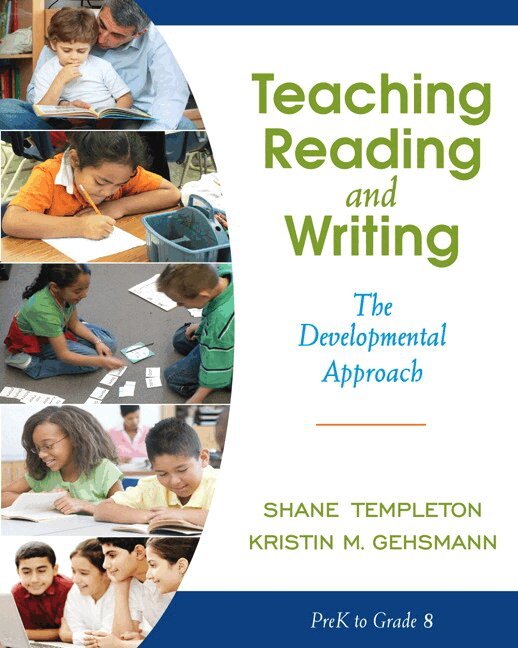
Teaching Reading and Writing: The Developmental Approach is a comprehensive yet accessible guide to the tools and knowledge pre-service and experienced teachers need to teach literacy in a developmentally-responsive and integrated way—while meeting the diverse needs of students in today’s classrooms. Using a conversational tone to present a wealth of critical content, the book helps readers connect theory to practice through vignettes and sample lessons from real classrooms; authentic student work samples; ideas for using and integrating print-based and digital texts across the curriculum; and tools for organizing and managing a comprehensive, developmentally-responsive literacy program.
836 kr
Läs direkt efter köp
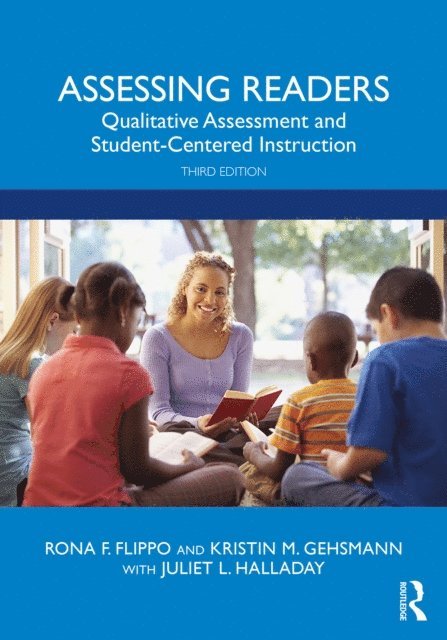
The third edition of Assessing Readers continues to bridge the gap between authentic, informal, and formative assessments and more traditional quantitative and summative assessment approaches. Designed to assist educators and reading specialists in making informed decisions about not only what to assess, but also how, it provides teachers with a menu of qualitative assessment options, encouraging them to consider their own values and beliefs in light of the goals they have for the students they teach. Building on nearly four decades of theory, research, and practice, it is up to date with current research and offers specific assessment, instruction, and organizational ideas and strategies.
With an emphasis on comprehension, motivation and engagement, and developing strategic knowledge, Assessing Readers offers a road map for teachers trying to meet the demands of increasingly rigorous standards. Features include examples of student-centered assessment, ideas for organizing and managing differentiated instruction, sample lesson plans, and authentic case studies.
Accessible and practical, the third edition empowers pre-service and in-service teachers alike, encouraging them to think about the importance of their assessment and instructional choices and supporting them with the tools they need to achieve their goals and meet the needs of all students.
Changes in the Third Edition:
A new focus on literacy development and developmentally responsive instruction
Expanded coverage of emergent literacy and the assessment of foundational skills, including concepts about print, storybook reading, phonological and phonemic awareness, alphabet knowledge, and concept of word in text
A new section on assessing vocabulary and morphological knowledge
Expanded coverage of response to instruction/intervention (RTI)
New information on assessment and instruction of culturally and linguistically diverse students
Increased attention to issues of social justice, educational equity, and anti-bias practices
836 kr
Läs direkt efter köp
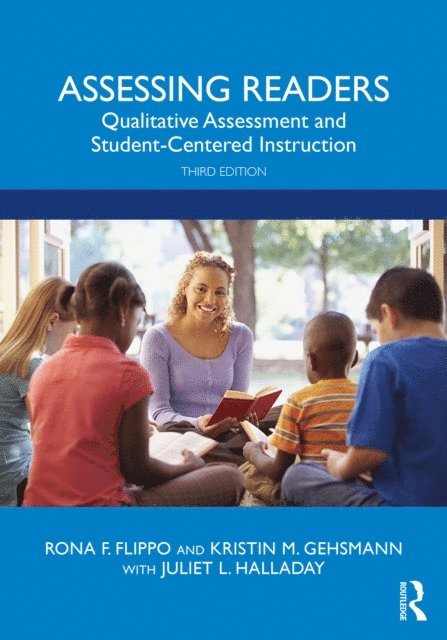
The third edition of Assessing Readers continues to bridge the gap between authentic, informal, and formative assessments and more traditional quantitative and summative assessment approaches. Designed to assist educators and reading specialists in making informed decisions about not only what to assess, but also how, it provides teachers with a menu of qualitative assessment options, encouraging them to consider their own values and beliefs in light of the goals they have for the students they teach. Building on nearly four decades of theory, research, and practice, it is up to date with current research and offers specific assessment, instruction, and organizational ideas and strategies.
With an emphasis on comprehension, motivation and engagement, and developing strategic knowledge, Assessing Readers offers a road map for teachers trying to meet the demands of increasingly rigorous standards. Features include examples of student-centered assessment, ideas for organizing and managing differentiated instruction, sample lesson plans, and authentic case studies.
Accessible and practical, the third edition empowers pre-service and in-service teachers alike, encouraging them to think about the importance of their assessment and instructional choices and supporting them with the tools they need to achieve their goals and meet the needs of all students.
Changes in the Third Edition:
A new focus on literacy development and developmentally responsive instruction
Expanded coverage of emergent literacy and the assessment of foundational skills, including concepts about print, storybook reading, phonological and phonemic awareness, alphabet knowledge, and concept of word in text
A new section on assessing vocabulary and morphological knowledge
Expanded coverage of response to instruction/intervention (RTI)
New information on assessment and instruction of culturally and linguistically diverse students
Increased attention to issues of social justice, educational equity, and anti-bias practices