Kristine Jørgensen - Böcker
Visar alla böcker från författaren Kristine Jørgensen. Handla med fri frakt och snabb leverans.
3 produkter
3 produkter
368 kr
Tillfälligt slut
1 765 kr
Skickas inom 10-15 vardagar
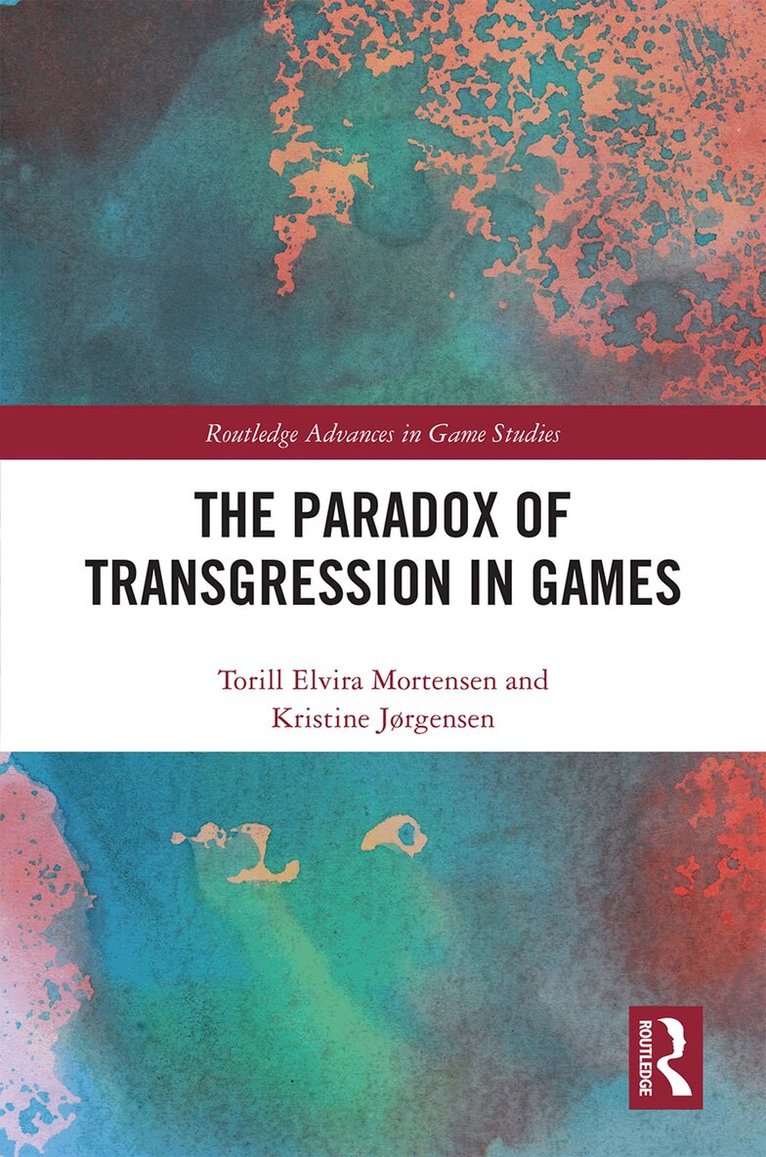
The Paradox of Transgression in Games looks at transgressive games as an aesthetic experience, tackling how players respond to game content that shocks, disturbs, and distresses, and how contemporary video games can evoke intense emotional reactions. The book delves into the commercial success of many controversial videogames: although such games may appear shocking for the observing bystander, playing them is experienced as deeply rewarding for the player. Drawing on qualitative player studies and approaches from media aesthetics theory, the book challenges the perception of games as innocent entertainment, and examines the range of emotional, moral, and intellectual experiences of players. As they explore what players consider transgressive, the authors ask whether there is something about the gameplay situation that works to mitigate the sense of transgression, stressing gameplay as an aesthetic experience. Anchoring the aesthetic game experience both in play studies as well as in aesthetic theory, this book will be an essential resource for scholars and students of game studies, aesthetics, media studies, philosophy of art, and emotions.
614 kr
Skickas inom 10-15 vardagar
The Paradox of Transgression in Games looks at transgressive games as an aesthetic experience, tackling how players respond to game content that shocks, disturbs, and distresses, and how contemporary video games can evoke intense emotional reactions. The book delves into the commercial success of many controversial videogames: although such games may appear shocking for the observing bystander, playing them is experienced as deeply rewarding for the player. Drawing on qualitative player studies and approaches from media aesthetics theory, the book challenges the perception of games as innocent entertainment, and examines the range of emotional, moral, and intellectual experiences of players. As they explore what players consider transgressive, the authors ask whether there is something about the gameplay situation that works to mitigate the sense of transgression, stressing gameplay as an aesthetic experience. Anchoring the aesthetic game experience both in play studies as well as in aesthetic theory, this book will be an essential resource for scholars and students of game studies, aesthetics, media studies, philosophy of art, and emotions.