Ksenia Gerasimova – författare
Visar alla böcker från författaren Ksenia Gerasimova. Handla med fri frakt och snabb leverans.
12 produkter
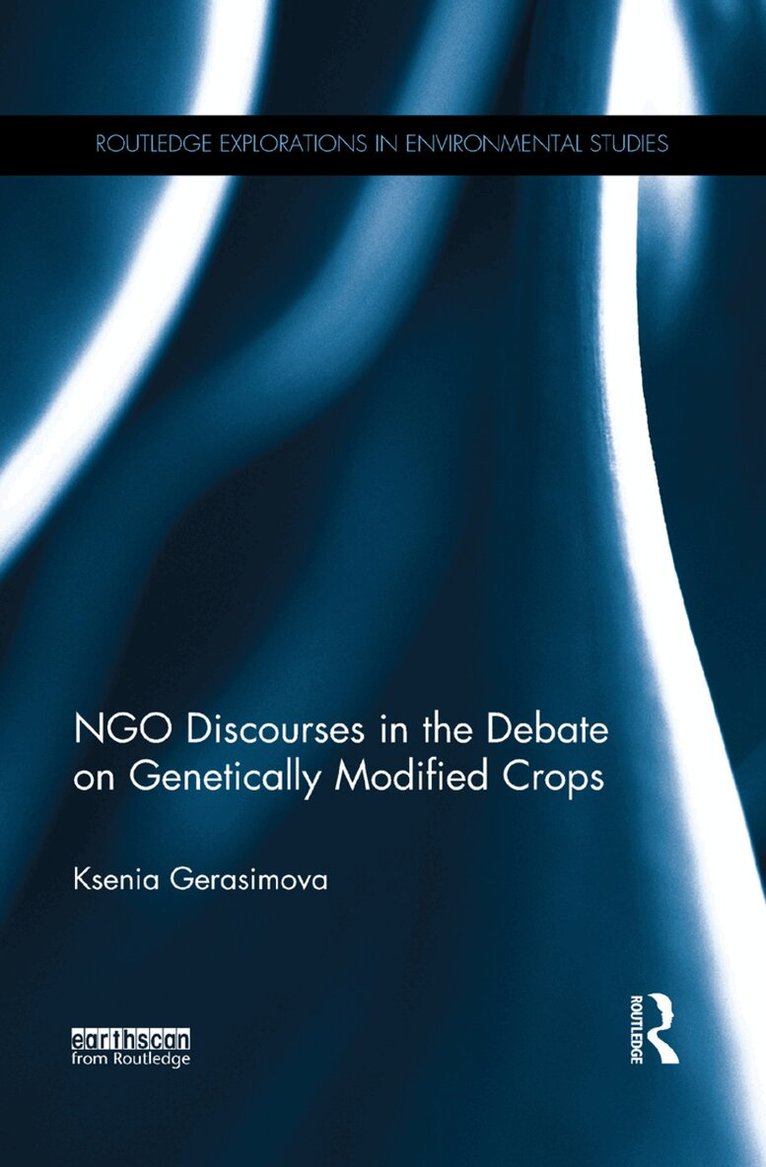
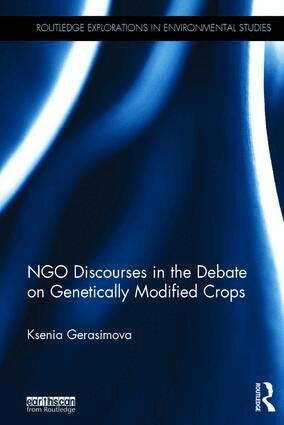
NGO Discourses in the Debate on Genetically Modified Crops
Häftad, 2019
724 kr
Lägg i varukorg
The development and use of genetically modified organisms (GMOs) has been a contentious topic for the last three decades. While there have been a number of social science analyses of the issues, this is the first book to assess the role of Non-Governmental Organizations (NGOs) in the debate at such …
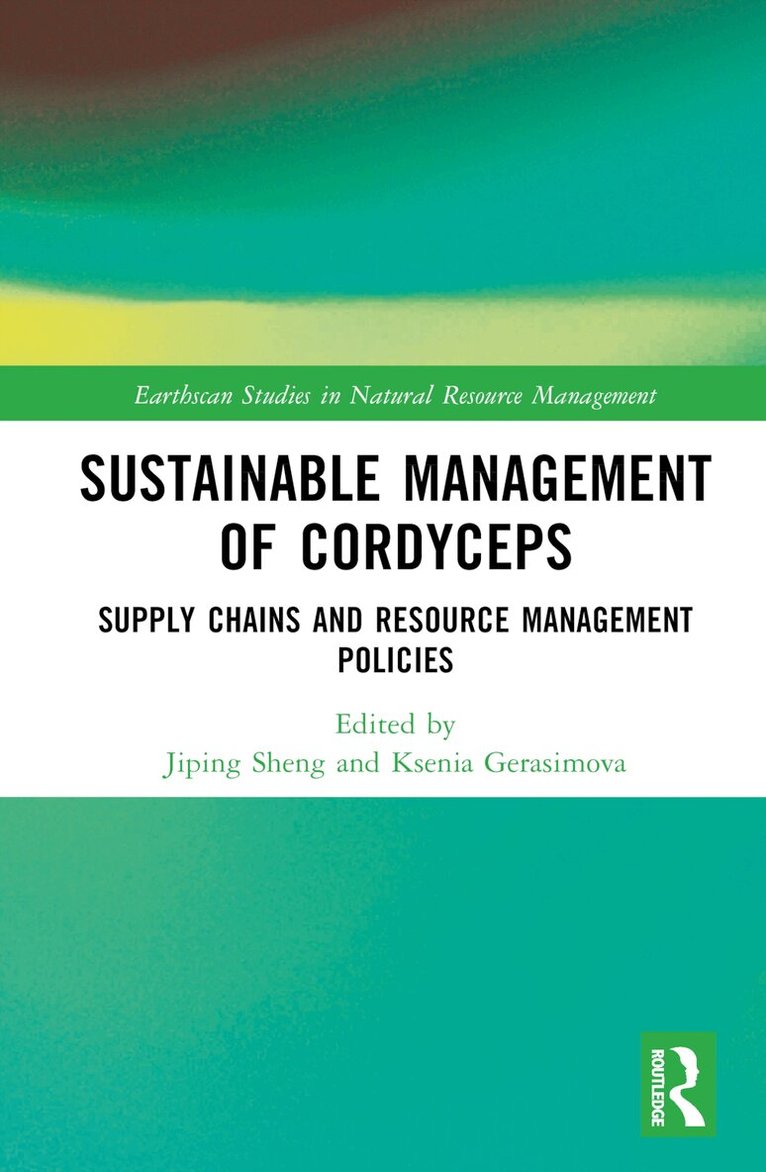
Sustainable Management of Cordyceps
Supply Chains and Resource Management Policies
Av Jiping Sheng, Ksenia Gerasimova
Inbunden, 2024
2525 kr
Lägg i varukorg
This book examines the challenges of sustainably managing and conserving Cordyceps sinensis, a rare species of fungus largely grown in Tibet, currently on the brink of extinction.As one of the most expensive commodities in the world, particularly valued for its medicinal properties in China, the …
Sustainable Management of Cordyceps
Supply Chains and Resource Management Policies
Av Jiping Sheng, Ksenia Gerasimova
Häftad, 2026
710 kr
Lägg i varukorg
This book examines the challenges of sustainably managing and conserving Cordyceps sinensis, a rare species of fungus largely grown in Tibet, currently on the brink of extinction.As one of the most expensive commodities in the world, particularly valued for its medicinal properties in China, the …
Sustainable Management of Cordyceps
Supply Chains and Resource Management Policies
Av Ksenia Gerasimova, Jiping Sheng
E-bok, 2024
856 kr
Lägg i varukorg
This book examines the challenges of sustainably managing and conserving Cordyceps sinensis, a rare species of fungus largely grown in Tibet, currently on the brink of extinction.As one of the most expensive commodities in the world, particularly valued for its medicinal properties in China, the …
Sustainable Management of Cordyceps
Supply Chains and Resource Management Policies
Av Ksenia Gerasimova, Jiping Sheng
E-bok, 2024
838 kr
Lägg i varukorg
This book examines the challenges of sustainably managing and conserving Cordyceps sinensis, a rare species of fungus largely grown in Tibet, currently on the brink of extinction.As one of the most expensive commodities in the world, particularly valued for its medicinal properties in China, the …
NGO Discourses in the Debate on Genetically Modified Crops
Inbunden, 2017
2525 kr
Lägg i varukorg
The development and use of genetically modified organisms (GMOs) has been a contentious topic for the last three decades. While there have been a number of social science analyses of the issues, this is the first book to assess the role of Non-Governmental Organizations (NGOs) in the debate at such …
NGO Discourses in the Debate on Genetically Modified Crops
E-bok, 2017
849 kr
Lägg i varukorg
The development and use of genetically modified organisms (GMOs) has been a contentious topic for the last three decades. While there have been a number of social science analyses of the issues, this is the first book to assess the role of Non-Governmental Organizations (NGOs) in the debate at such …
NGO Discourses in the Debate on Genetically Modified Crops
E-bok, 2017
824 kr
Lägg i varukorg
The development and use of genetically modified organisms (GMOs) has been a contentious topic for the last three decades. While there have been a number of social science analyses of the issues, this is the first book to assess the role of Non-Governmental Organizations (NGOs) in the debate at such …
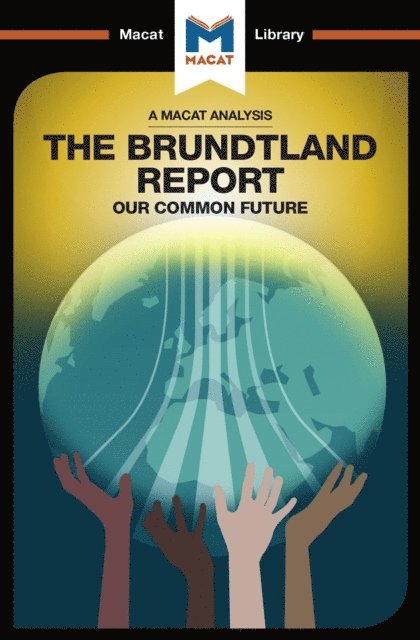
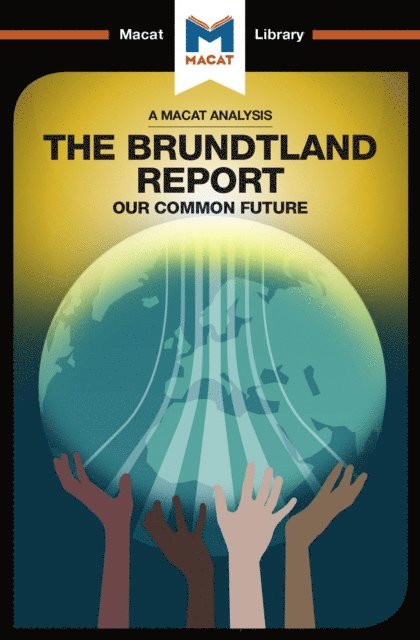
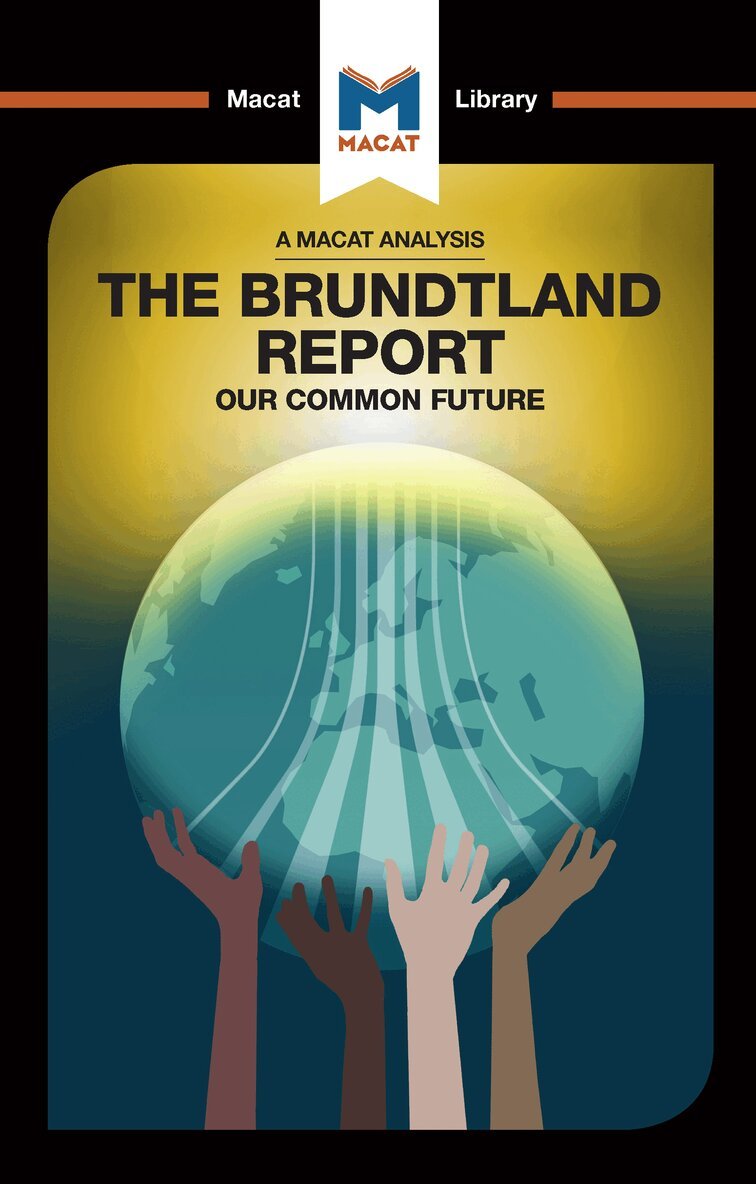
Analysis of The Brundtland Commission's Our Common Future
E-bok, 2017
140 kr
Lägg i varukorg
Our Common Future is a joint work produced in 1987 by a United Nations commission headed by former Norwegian Prime Minister, Gro Brundtland. Also known as The Brundtland Report, it offers a classic approach to problem solving by first asking a productive question. How do we protect the world we …
Analysis of The Brundtland Commission's Our Common Future
E-bok, 2017
135 kr
Lägg i varukorg
Our Common Future is a joint work produced in 1987 by a United Nations commission headed by former Norwegian Prime Minister, Gro Brundtland. Also known as The Brundtland Report, it offers a classic approach to problem solving by first asking a productive question. How do we protect the world we …
Analysis of The Brundtland Commission's Our Common Future
Häftad, 2017
101 kr
Lägg i varukorg
Our Common Future is a joint work produced in 1987 by a United Nations commission headed by former Norwegian Prime Minister, Gro Brundtland. Also known as The Brundtland Report, it offers a classic approach to problem solving by first asking a productive question. How do we protect the world we …
Analysis of The Brundtland Commission's Our Common Future
Inbunden, 2017
299 kr
Lägg i varukorg
Our Common Future is a joint work produced in 1987 by a United Nations commission headed by former Norwegian Prime Minister, Gro Brundtland. Also known as The Brundtland Report, it offers a classic approach to problem solving by first asking a productive question. How do we protect the world we …