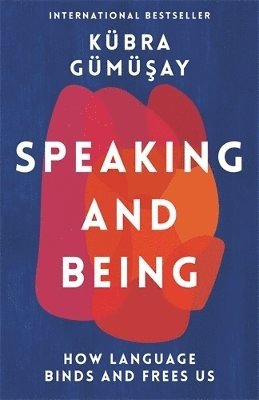
A SPECTATOR BOOK OF THE YEAR''I can''t stop talking about this book'' Jamie Klingler, co-founder #ReclaimTheseStreets''What a gem. ... Makes you look at the world, and yourself, afresh.''Minna Salami, author of Sensuous Knowledge: A Black Feminist Approach for Everyone''A generous combination of passion and practicality that is not easily resisted. A rare book that might actually change our minds''Daniel Hahn OBE''A book at once vigorous and generous, pleasurable and galvanising''Sophie Hughes, International Booker Prize-shortlisted translatorWhat does it really mean to speak freely? A wise, beautifully written book that explores the way language shapes our lives and how we see the world - and what happens when we learn new words, and new ways of speaking to each other.Language opens up our world, and in the same instant, limits it. What does it mean to exist in a language that was never meant for you to speak? Why are we missing certain words? How can we talk about our communal problems without fuelling them? What does it actually mean to speak freely?As a writer and activist fighting for equality, Kübra Gümüsay has been thinking about these questions for many years. In this book she explores how language shapes our thinking and determines our politics. She shows how people become invisible as individuals when they are always seen as part of a group, and the way those in the minority often have to expend energy cleaning up the messy thinking of others. But she also points to how we might shape conversations to allow for greater ambiguity and individuality, how arguments might happen in a space of learning and vulnerability without sacrificing principles - how we might all be able to speak freely.
A SPECTATOR BOOK OF THE YEAR'I can't stop talking about this book' Jamie Klingler, co-founder #ReclaimTheseStreets'What a gem. ... Makes you look at the world, and yourself, afresh.'Minna Salami, author of Sensuous Knowledge: A Black Feminist Approach for Everyone'A generous combination of passion and practicality that is not easily resisted. A rare book that might actually change our minds'Daniel Hahn OBE'A book at once vigorous and generous, pleasurable and galvanising'Sophie Hughes, International Booker Prize-shortlisted translatorWhat does it really mean to speak freely? A wise, beautifully written book that explores the way language shapes our lives and how we see the world - and what happens when we learn new words, and new ways of speaking to each other.Language opens up our world, and in the same instant, limits it. What does it mean to exist in a language that was never meant for you to speak? Why are we missing certain words? How can we talk about our communal problems without fuelling them? What does it actually mean to speak freely?As a writer and activist fighting for equality, Kübra Gümüsay has been thinking about these questions for many years. In this book she explores how language shapes our thinking and determines our politics. She shows how people become invisible as individuals when they are always seen as part of a group, and the way those in the minority often have to expend energy cleaning up the messy thinking of others. But she also points to how we might shape conversations to allow for greater ambiguity and individuality, how arguments might happen in a space of learning and vulnerability without sacrificing principles - how we might all be able to speak freely.
Wie junge Musliminnen in Österreich und Deutschland ihre Umwelt erlebenZahlreiche Bücher werden über muslimische Frauen verfasst, wenige von ihnen. Hier schreiben nun Musliminnen aus Österreich und Deutschland über verschiedene Themen, die sie beschäftigen: über Heimat und Karriere, über Alltagsrassismus und Diskriminierungserfahrungen bis hin zu Vielfalt und Integration. Die Sammlung von gesellschaftskritischen Analysen und persönlichen Geschichten gewährt einen Einblick in die Lebenswelten engagierter Musliminnen und gibt auch die kritischen weiblichen Töne der muslimischen Community wieder, die nicht so oft gehört werden. So macht dieses Buch die Vielfalt der muslimischen Frauen sichtbar, die wiederum ein Stück weit zum Dialog und zur Versachlichung beitragen in einem emotionsgeladenen Diskurs um das Thema Islam.
Obwohl wir inzwischen im 21. Jahrhundert leben, herrscht noch immer das Patriarchat.Warum zur Hölle ist das so? Und was kann jede: r persönlich dazu beitragen, die häufig unbewussten toxischen Strukturen zu erkennen und aufzulösen? Dieser Sammelband mit bekannten Autor:innen bietet Hilfestellung. Sich gegen das Patriarchat zur Wehr zu setzen, ist besonders im Alltag schwierig. Denn Vieles ist uns so vertraut, dass wir es gar nicht hinterfragen. Sogar bekennende Feminist:innen tappen immer wieder in die gleichen Fallen. Wir schließen Frauen durch Sprache aus, folgen veralteten Vorstellungen von einer glücklichen Kleinfamilie inklusive traditionellen Rollenbildern. Oder wir passen uns männergemachten und kapitalistischen Strukturen an, wenn wir im Beruf erfolgreich sein wollen. Die Beitragenden der Anthologie UNLEARN PATRIARCHY berichten von ihren Erfahrungen und spüren eigenen fatalen Denkmustern nach. Sie zeigen, wie über alle Gesellschaftsbereiche hinweg von Sprache und Liebe über Arbeit bis hin zu Politik, Bildung oder Identität die patriarchalen Handlungsmuster gebrochen werden können und ein besseres Leben für alle möglich wird. »Große strukturelle Denkhindernisse werden in diesem Buch von klugen Köpfen analysiert. Sie helfen zu verlernen, was Gegenwart und Zukunft zerstört!« Luisa Neubauer
A wise, beautifully written book that explores the way language shapes our lives and how we see the world - and what happens when we find new ways of speaking to each other.Language opens up our world, and in the same instant, limits it. What does it mean to exist in a language that was never meant for you to speak? Why are we missing certain words? How can we talk about our communal problems without fuelling them?As a writer and activist fighting for equality, Kübra Gümüsay has been thinking about these questions for many years. In this book she explores how language shapes our thinking and determines our politics. She shows how people become invisible as individuals when they are always seen as part of a group, and the way those in the minority often have to expend energy cleaning up the messy thinking of others. But she also points to how we might shape conversations to allow for greater ambiguity and individuality, how arguments might happen in a space of learning and vulnerability without sacrificing principles - how we might all be able to speak freely.