Kullapa Soratana - Böcker
Visar alla böcker från författaren Kullapa Soratana. Handla med fri frakt och snabb leverans.
2 produkter
2 produkter
694 kr
Skickas inom 10-15 vardagar
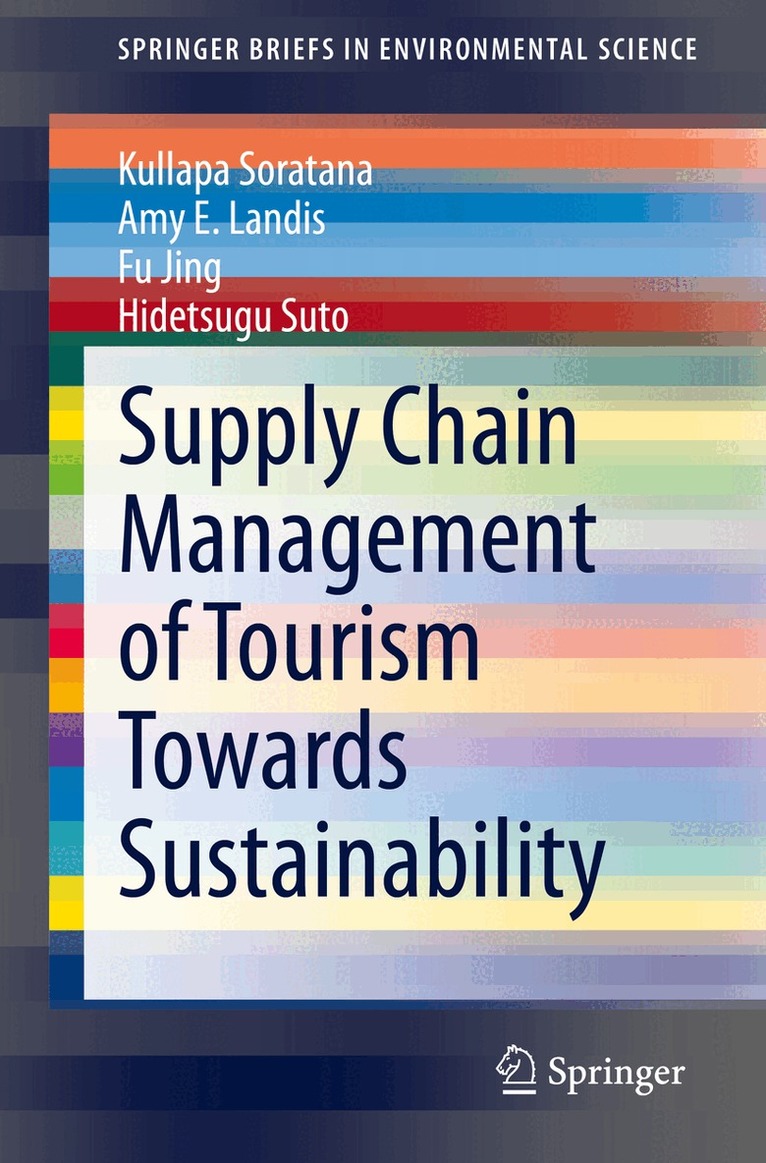
This book discusses applied life cycle and supply chain management approaches for the sustainable development of tourism in Asian countries. The book describes the current state of the tourism industry in Asia from a perspective of sustainability, and analyzes the trade-offs between the three pillars of sustainability (environment, society, economy) as they pertain to the implementation of sustainable tourism. In 5 chapters, this book offers guidance for students, researchers and corporations interested in applying sustainability in tourism related activities.Chapter 1 introduces readers to the life cycle and supply chain approaches to driving sustainable development in tourism, and discusses the need for these strategies in the face of current issues with the tourism industry in Asia. Chapter 2 provides more details on the role of life cycle approaches in the sustainable development of tourism, including proper practices and implications. Chapter 3 presents how knowledge and best practices among stakeholders in the tourism sector can be shared. Chapter 4 discusses how promoting sustainable tourism can improve tourists' experience, and chapter 5 concludes the book by addressing how life cycle and supply chain approaches can be used together for tourism enterprises.
1 487 kr
Skickas inom 7-10 vardagar
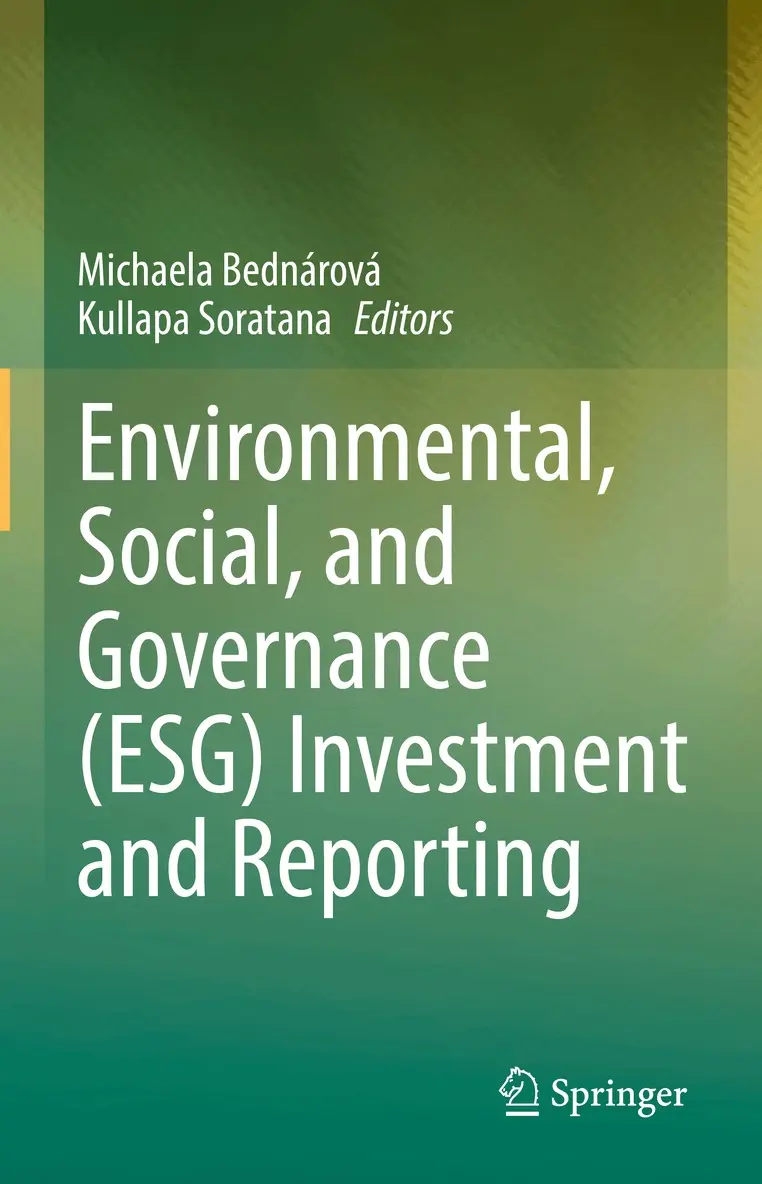
This volume provides comprehensive coverage of ESG (Environmental, Social, and Governance) principles, offering an exhaustive examination of foundational concepts, specific factors, and their integration into investment analysis, ensuring a holistic understanding of the subject. It places a strong emphasis on the ethics of investing, exploring the importance of aligning investments with personal and societal values, which enriches the reader's ethical perspective. Practical insights are provided through real-world examples and case studies, making the content more relatable and actionable. The textbook also introduces cutting-edge concepts such as Corporate Digital Responsibility and ESGD reporting, preparing readers for future developments in ESG practices and keeping them ahead of industry trends. Detailed examinations of various global ESG reporting frameworks and standards, like GRI, IR, SASB, IISB, and ESRS, equip readers with the knowledge to choose the most appropriate methods for their needs. Emphasizing the seamless integration of ESG factors into traditional investment analysis, the book enhances readers' analytical skills and demonstrates how ESG considerations can be incorporated into all aspects of investment decision-making. Additionally, by addressing contemporary issues like greenwashing and bluewashing, it makes readers aware of the ethical challenges in ESG reporting and communication, equipping them to navigate these complexities effectively.Key takeaways include an in-depth understanding of ESG principles and their impact on investment decisions, insights into ethically integrating ESG considerations into investment strategies, and practical application skills through case studies. The forward-looking content ensures readers are prepared for future trends in ESG reporting and investing, including the impact of new technologies. Familiarity with various global standards allows readers to select suitable methodologies for their contexts. The focus on holistic integration of ESG factors improves analytical capabilities, making readers adept at identifying ESG risks and opportunities. This ESG investment and reporting book is intended for a diverse audience spanning academia, professionals, and classrooms alike. Academically, it serves as a comprehensive resource for students studying finance, business management, sustainability, or related fields, offering in-depth insights into the integration of Environmental, Social, and Governance (ESG) factors into investment strategies and reporting practices. Professionals in finance, investment management, corporate governance, sustainability consulting, and ESG reporting will find it invaluable for enhancing their understanding and practical application of ESG principles in their respective industries. Additionally, educators can leverage this book as a teaching tool in university courses focusing on sustainable finance, corporate governance, or ESG investing, providing students with practical knowledge and real-world examples to enrich their learning experience.