Kurt D. Fausch – författare
Visar alla böcker från författaren Kurt D. Fausch. Handla med fri frakt och snabb leverans.
4 produkter
4 produkter
Inbunden, Engelska, 1998
2 174 kr
Skickas inom 10-15 vardagar
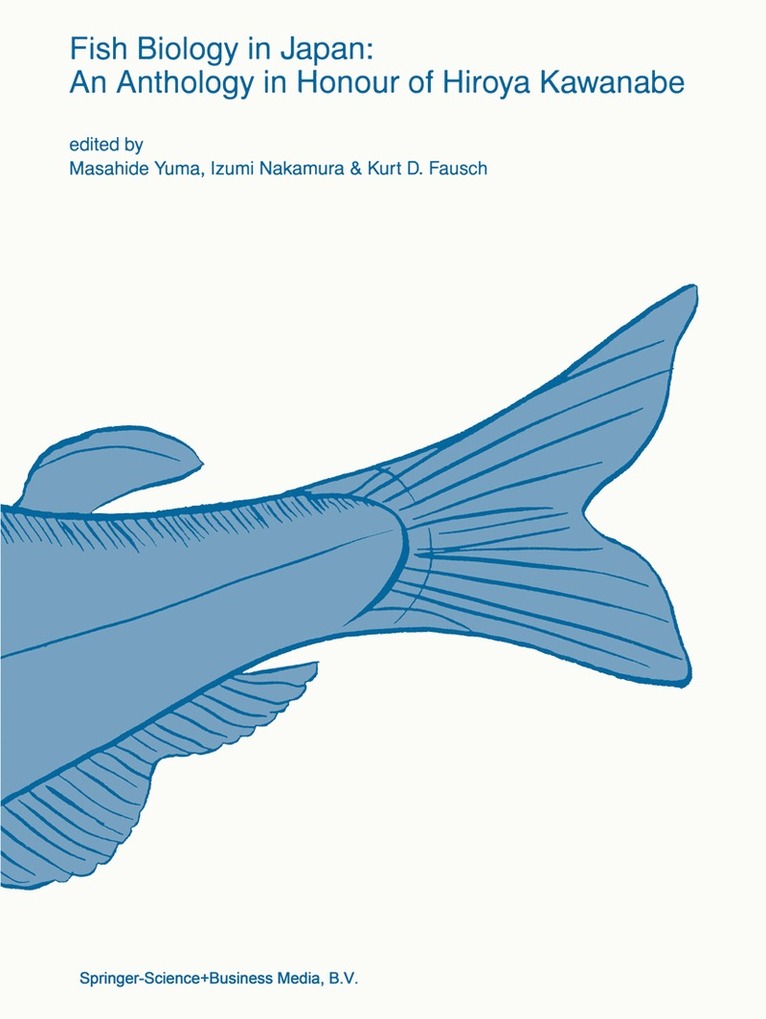
Hiroya Kawanabe (HK) was born in Kyoto on 10 May 1932. His father, Osamu Kawanabe, was a teacher of Japanese literature and also a Buddhist priest, who died in 1934 at an early age. His mother, Tsuya Fujii-Kawanabe, was a teacher of the tea cer- emony and of flower arrangement, and had given birth to him at age 38. He attended elementary school from 1938 to 1945, junior high school from 1945 to 1948, and Kyoto City's Ohki High School, from 1948 to 1951. In March 1945, military requisi- tion of the Kawanabe property, which was situated in downtown Kyoto, and the subsequent demolition of the family home necessitated the tearful and hasty removal of only a fraction of the family's be- longings in a cart (HK 490; numbers refer to the subsequent 'Lifetime list of publications by Hiroya Kawanabe'). He and his mother were able to save only a portion of his father's books; his passion for reading may be due to the influence of his father. Interestingly enough, during his junior high school and high school years, Kawanabe tried to improve the method used to catalogue the books in his school libraries, though he subsequently learned Figure 1.Hiroya Kawanabe during his convocation address on that the NDC (Nihon Decimal Classification) was the occassion of receiving Doctor of Science honoris causa at the the most convenient cataloguing method in com- University of Guelph, 5 October 1995. Photograph by M. mon use. Schwalbe.
Häftad, Engelska, 2025
267 kr
Skickas inom 5-8 vardagar
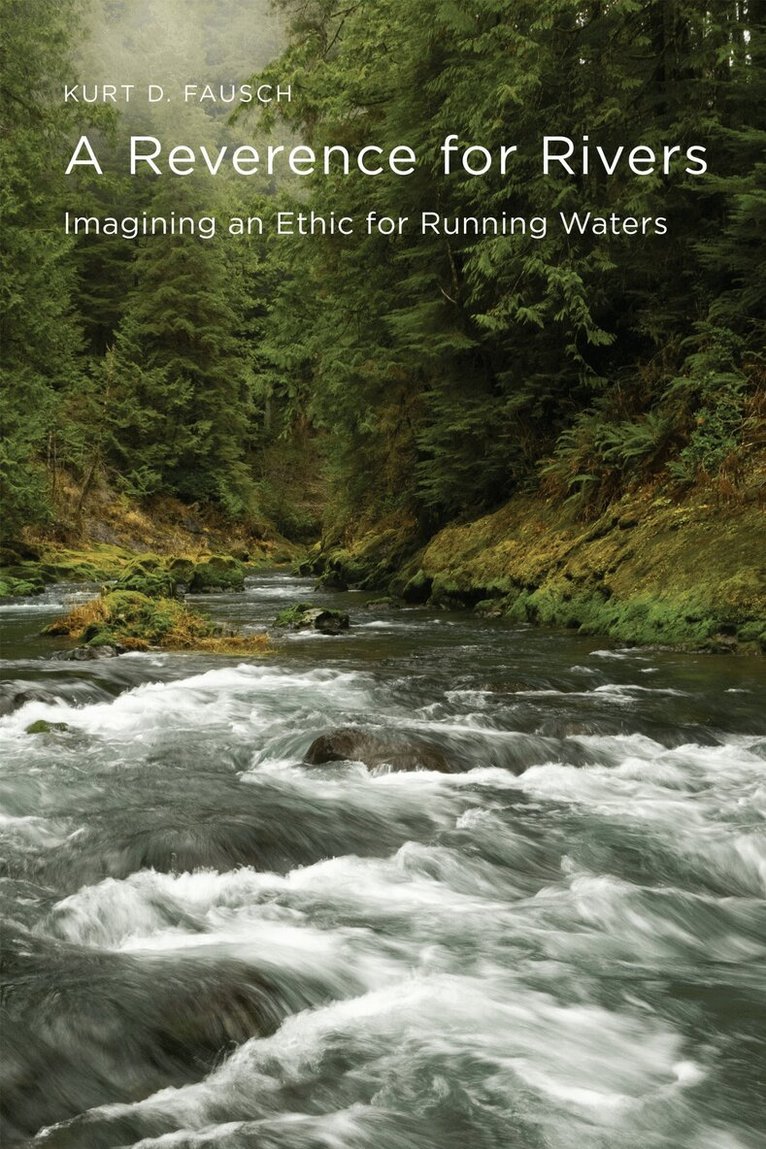
In A Reverence for Rivers, Kurt Fausch draws on his experience as a stream ecologist, his interest in Indigenous cultures, and a thoughtful consideration of environmental ethics to explore human values surrounding freshwater ecosystems. Focusing on seven rivers across the globe—from the Salmon River in Oregon to the Sarufutsu River in Japan—he examines the growing ethical dilemmas threatening our rivers, including increasing demands for water, habitat fragmentation, overfishing, and deepening climate change. How do we decide which rivers deserve legal protection? What is our right to water as humans? And how do we foster resilient rivers? Through a combination of scientific expertise and thoughtful observations of the natural world, Fausch translates the science of rivers into accessible language for readers and begins to address these questions. He weaves deep Indigenous histories throughout the book and includes personal visits to tribal lands to explore the traditional values held by several Indigenous groups. Fausch reminds us that our connection to rivers is personal and grounded in specific places, flowing from the stories we carry about our relationships with and responsibilities to these rivers. In a final essay Fausch ponders Aldo Leopold’s statement that “nothing so important as an ethic is ever written,” but instead evolves in the minds of a thinking community. A Reverence for Rivers speaks to both the mind and the heart, offering perspectives so that we might begin to imagine and create an ethic for living with and caring for the running waters on which we rely for so much.
Häftad, Engelska, 2010
2 174 kr
Skickas inom 10-15 vardagar
Hiroya Kawanabe (HK) was born in Kyoto on 10 May 1932. His father, Osamu Kawanabe, was a teacher of Japanese literature and also a Buddhist priest, who died in 1934 at an early age. His mother, Tsuya Fujii-Kawanabe, was a teacher of the tea cer- emony and of flower arrangement, and had given birth to him at age 38. He attended elementary school from 1938 to 1945, junior high school from 1945 to 1948, and Kyoto City's Ohki High School, from 1948 to 1951. In March 1945, military requisi- tion of the Kawanabe property, which was situated in downtown Kyoto, and the subsequent demolition of the family home necessitated the tearful and hasty removal of only a fraction of the family's be- longings in a cart (HK 490; numbers refer to the subsequent 'Lifetime list of publications by Hiroya Kawanabe'). He and his mother were able to save only a portion of his father's books; his passion for reading may be due to the influence of his father. Interestingly enough, during his junior high school and high school years, Kawanabe tried to improve the method used to catalogue the books in his school libraries, though he subsequently learned Figure 1.Hiroya Kawanabe during his convocation address on that the NDC (Nihon Decimal Classification) was the occassion of receiving Doctor of Science honoris causa at the the most convenient cataloguing method in com- University of Guelph, 5 October 1995. Photograph by M. mon use. Schwalbe.
E-bok
PDF, Engelska, 20132 840 kr
Läs direkt efter köp