KwangYu Lee – författare
Visar alla böcker från författaren KwangYu Lee. Handla med fri frakt och snabb leverans.
3 produkter
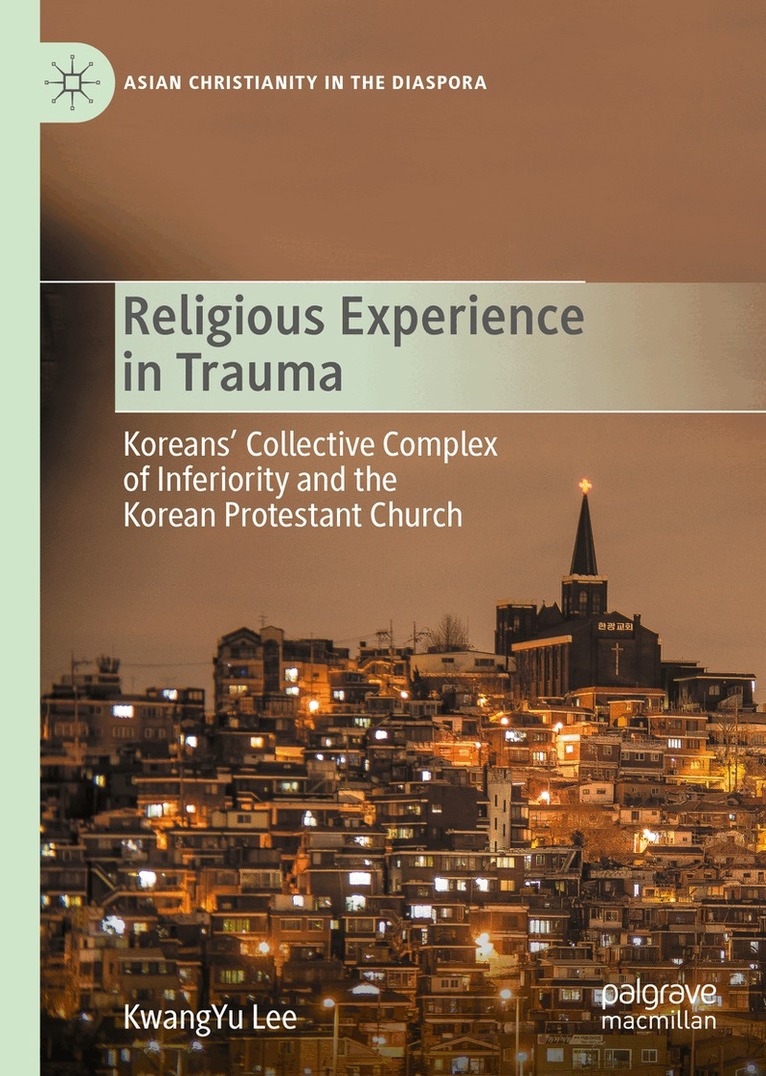
Religious Experience in Trauma
Koreans’ Collective Complex of Inferiority and the Korean Protestant Church
Av KwangYu Lee
Inbunden, 2020
1098 kr
Lägg i varukorg
This book offers a psychohistorical analysis of the rapid growth of the Korean Protestant Church. KwangYu Lee looks at some of the traumatic historical events of Korea in the 20th century, including the fall of the Joseon Dynasty (1392-1910), the Japanese Occupation (1910-1945), the Korean War …
Religious Experience in Trauma
Koreans’ Collective Complex of Inferiority and the Korean Protestant Church
Av KwangYu Lee
E-bok, 2020
1459 kr
Lägg i varukorg
This book offers a psychohistorical analysis of the rapid growth of the Korean Protestant Church. KwangYu Lee looks at some of the traumatic historical events of Korea in the 20th century, including the fall of the Joseon Dynasty (1392-1910), the Japanese Occupation (1910-1945), the Korean War …
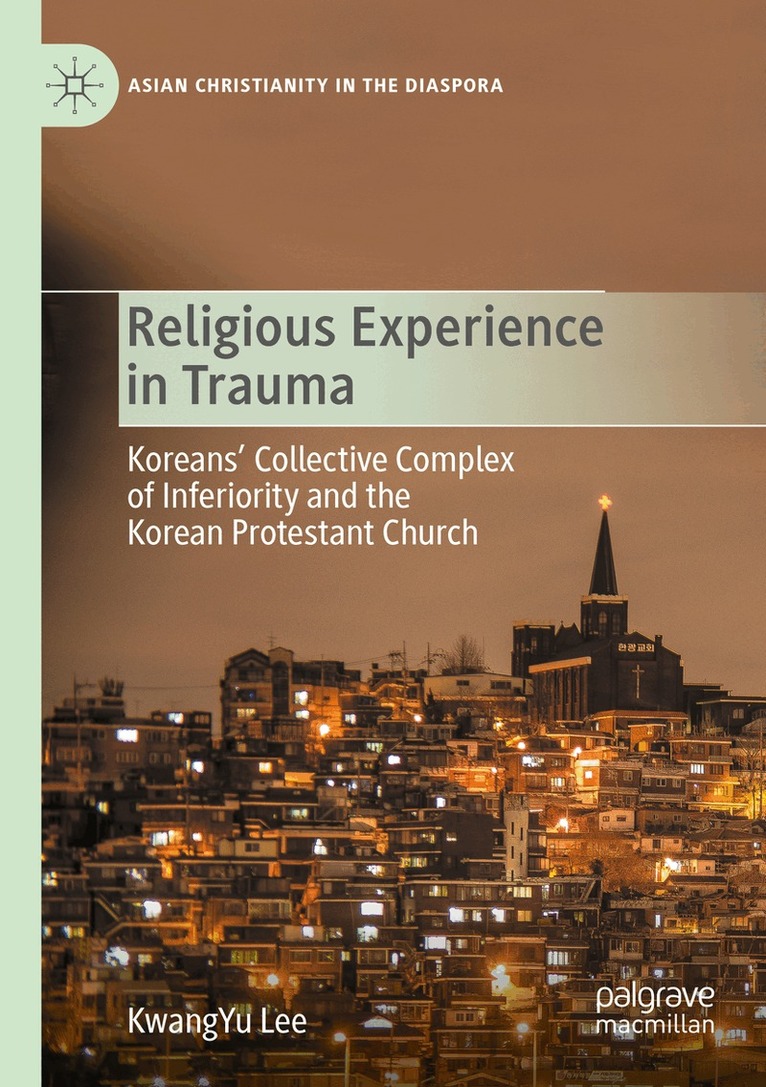
Religious Experience in Trauma
Koreans’ Collective Complex of Inferiority and the Korean Protestant Church
Av KwangYu Lee
Häftad, 2021
1098 kr
Lägg i varukorg
This book offers a psychohistorical analysis of the rapid growth of the Korean Protestant Church. KwangYu Lee looks at some of the traumatic historical events of Korea in the 20th century, including the fall of the Joseon Dynasty (1392-1910), the Japanese Occupation (1910-1945), the Korean War …