Kyle Gingerich Hiebert – författare
Visar alla böcker från författaren Kyle Gingerich Hiebert. Handla med fri frakt och snabb leverans.
6 produkter
6 produkter
Häftad, Engelska, 2017
276 kr
Skickas inom 5-8 vardagar
E-bok
Engelska, 2017455 kr
Läs direkt efter köp
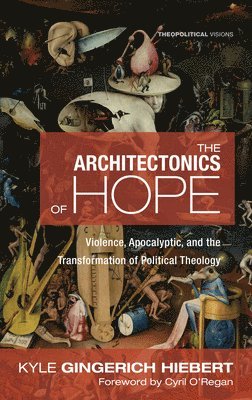
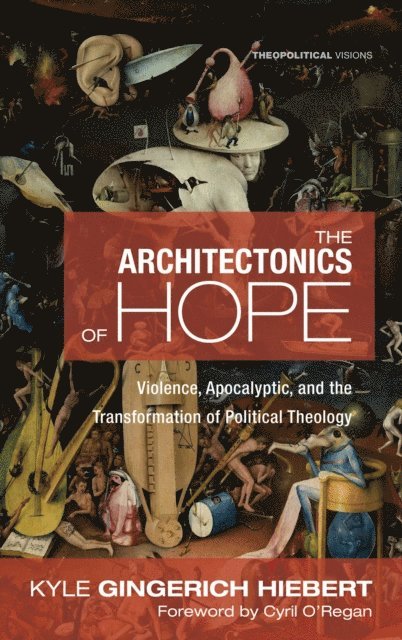
The Architectonics of Hope provides a critical excavation and reconstruction of the Schmittian seductions that continue to bedevil contemporary political theology. Despite a veritable explosion of interest in the work of Carl Schmitt, which increasingly recognizes his contemporary relevance and prescience, there nevertheless remains a curious and troubling reticence within the discipline of theology to substantively engage the German jurist and sometime Nazi apologist. By offering a genealogical reconstruction of the manner and extent to which recognizably Schmittian gestures are unwittingly repeated in subsequent debates that often only implicitly assume they have escaped the violent aporetics that characterize Schmitt''s thought, this volume illuminates hidden resonances between ostensibly opposed political theologies. Using the complex relationship between violence and apocalyptic as a guide, the genealogy traces the transformation of political theology through the work of a surprising collection of figures, including Johann Baptist Metz, John Milbank, David Bentley Hart, and John Howard Yoder.
Inbunden, Engelska, 2017
450 kr
Skickas inom 5-8 vardagar
Inbunden, Engelska, 2017
406 kr
Skickas inom 5-8 vardagar
Häftad, Engelska, 2017
232 kr
Skickas inom 5-8 vardagar
E-bok
PDF, Engelska, 2017374 kr
Läs direkt efter köp
In the face of what appears to be a widespread questioning of the practical usefulness of serious theological reflection on the nature and purposes of God, the authors of this intriguing book argue that a return to the sources of the Christian tradition represents nothing less than a rich trove of resources for Christian living. By revisiting the story of speech about God in scripture and in the living tradition of the church, the authors argue that we are thereby enabled to confront the contemporary temptations that too often unwittingly remake God in our own image. In this way the authors provocatively suggest that at least part of what Christian discipleship involves today is bound up with the task of unlearning some of the ways of speaking of God that have become so familiar to us. By learning to reread the texts of the Christian tradition, particularly in its most vital and creative moments, the authors suggest that we might become better equipped to faithfully read the signs of our own times.