Kyung-keun Kim - Böcker
Visar alla böcker från författaren Kyung-keun Kim. Handla med fri frakt och snabb leverans.
2 produkter
2 produkter
Del 23 - Education in the Asia-Pacific Region: Issues, Concerns and Prospects
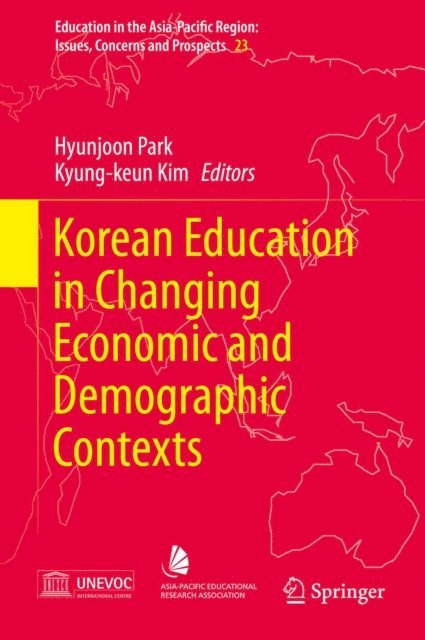
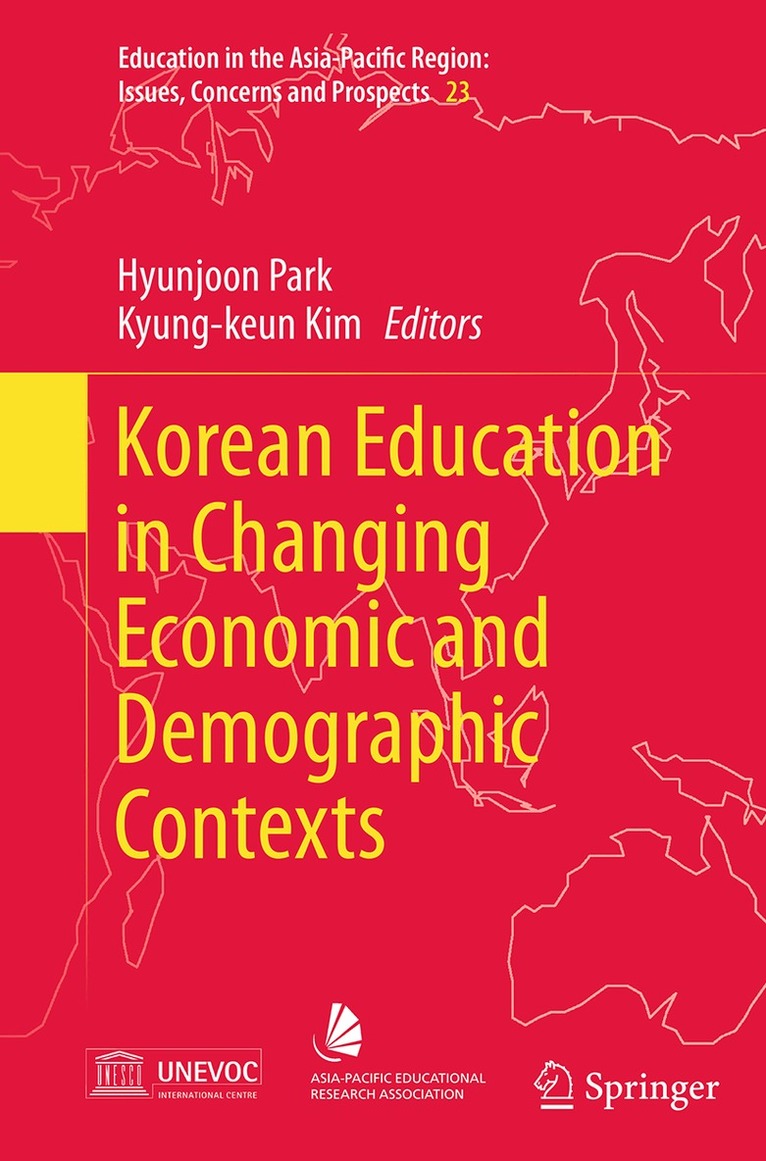
Korean Education in Changing Economic and Demographic Contexts
Häftad, Engelska, 2016
1 034 kr
Skickas inom 10-15 vardagar
This edited volume offers a comprehensive survey of Korean education in transition. Divided into three parts, the book first assesses the current state of Korean education. It examines how the educational system handles the effects of family background and gender in helping students smoothly transition from school to the labor market. Next, the book introduces growing concerns over whether the traditional model of Korean education can adequately meet the demands of the emerging knowledge-based economy. It examines features of new reform measures that have been introduced to help Korean education prepare students for the new economy. The third part discusses how an influx of diverse migrant groups, including marriage migrants, migrant workers, and North Korean migrants, and the rising divorce rate — two major demographic changes— challenge the fundamental assumption of cultural homogeneity that has long been a part of Korean education. This detailed analysis of a society and educational system in transition will appeal to a wide range of readers, from those involved with Korean education to educators and administrators in countries currently looking for ways to handle their own economic and demographic changes.
Del 23 - Education in the Asia-Pacific Region: Issues, Concerns and Prospects
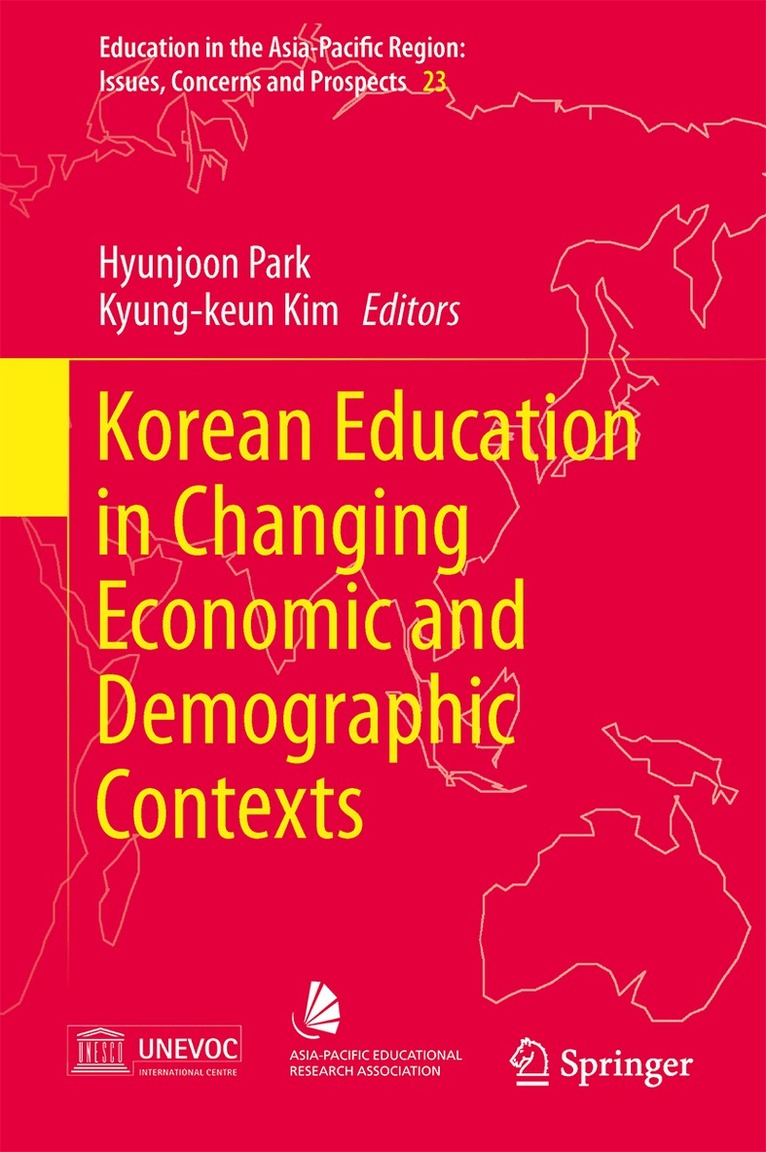
Korean Education in Changing Economic and Demographic Contexts
Inbunden, Engelska, 2013
1 034 kr
Skickas inom 10-15 vardagar
This edited volume offers a comprehensive survey of Korean education in transition. Divided into three parts, the book first assesses the current state of Korean education. It examines how the educational system handles the effects of family background and gender in helping students smoothly transition from school to the labor market. Next, the book introduces growing concerns over whether the traditional model of Korean education can adequately meet the demands of the emerging knowledge-based economy. It examines features of new reform measures that have been introduced to help Korean education prepare students for the new economy. The third part discusses how an influx of diverse migrant groups, including marriage migrants, migrant workers, and North Korean migrants, and the rising divorce rate — two major demographic changes— challenge the fundamental assumption of cultural homogeneity that has long been a part of Korean education. This detailed analysis of a society and educational system in transition will appeal to a wide range of readers, from those involved with Korean education to educators and administrators in countries currently looking for ways to handle their own economic and demographic changes.