L. Dee Fink – författare
Visar alla böcker från författaren L. Dee Fink. Handla med fri frakt och snabb leverans.
7 produkter
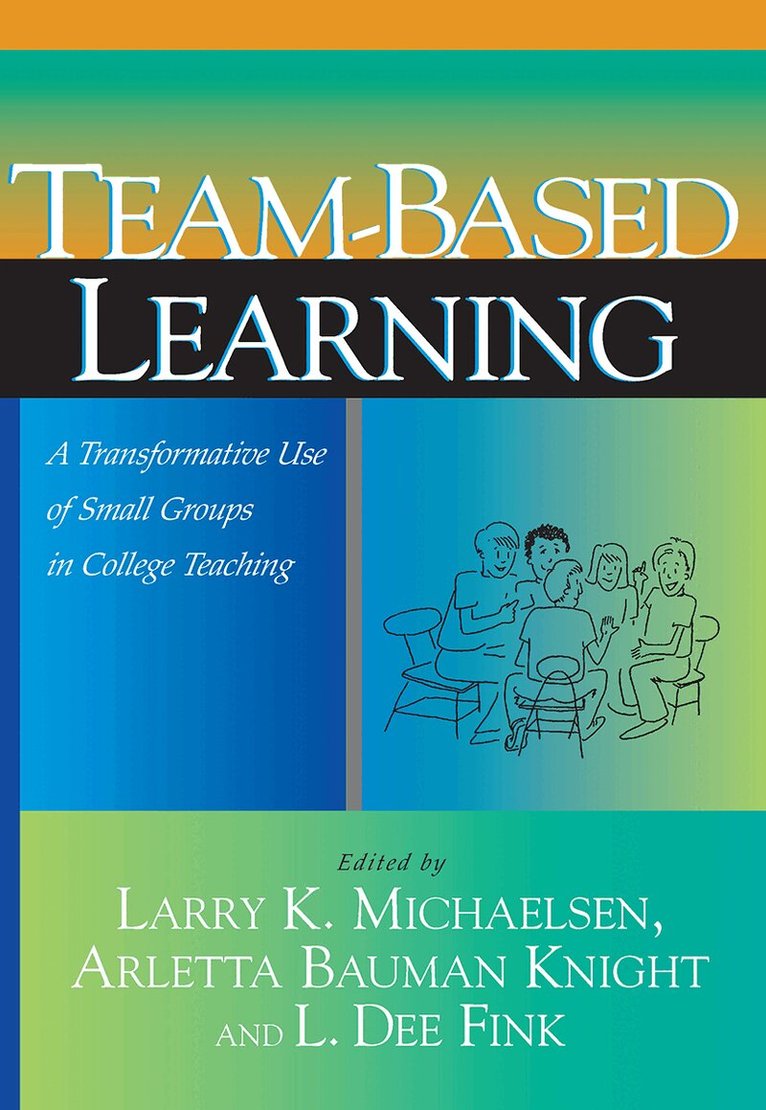
Team-Based Learning
A Transformative Use of Small Groups
Av Larry K. Michaelsen, Arletta Bauman Knight m. fl.
E-bok, 2002
1136 kr
Lägg i varukorg
Team learning is an especially powerful way of using small groups. Different authors have used different terms when writing about small groups: learning groups, collaborative learning, cooperative learning, and team learning. Despite the varying terminology, all refer to the same idea: putting …
Team-Based Learning
A Transformative Use of Small Groups
Av D. G. Mulcahy, Larry K. Michaelsen m. fl.
Inbunden, 2002
1033 kr
Lägg i varukorg
Team learning is an especially powerful way of using small groups. Different authors have used different terms when writing about small groups: learning groups, collaborative learning, cooperative learning, and team learning. Despite the varying terminology, all refer to the same idea: putting …
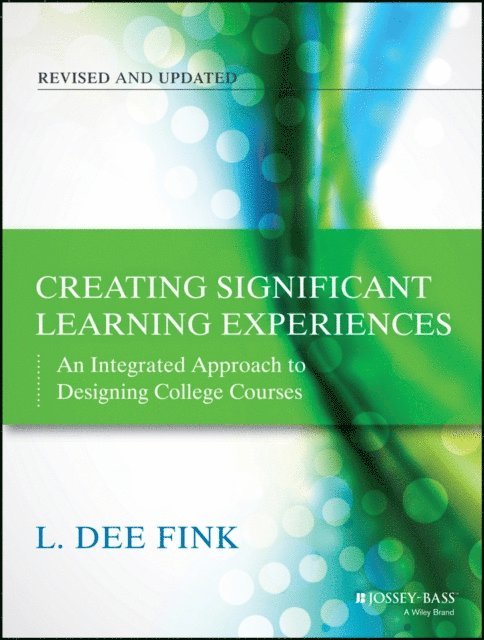
Creating Significant Learning Experiences
An Integrated Approach to Designing College Courses
Av L. Dee Fink
Häftad, 2013
468 kr
Lägg i varukorg
“Dee Fink challenges our conventional assumptions and practices and offers an insightful approach to expanding our learning goals, making higher education more meaningful. This is a gem of a book that every college teacher should read.”—Ken Bain, author, What the Best College Students Do Since the …
Creating Significant Learning Experiences
An Integrated Approach to Designing College Courses
Av L. Dee Fink
E-bok, 2013
527 kr
Lägg i varukorg
“Dee Fink challenges our conventional assumptions and practices and offers an insightful approach to expanding our learning goals, making higher education more meaningful. This is a gem of a book that every college teacher should read.” — Ken Bain , author, What the Best College Students Do Since …
Creating Significant Learning Experiences
An Integrated Approach to Designing College Courses
Av L. Dee Fink
E-bok, 2013
527 kr
Lägg i varukorg
“Dee Fink challenges our conventional assumptions and practices and offers an insightful approach to expanding our learning goals, making higher education more meaningful. This is a gem of a book that every college teacher should read.” — Ken Bain , author, What the Best College Students Do Since …
Team-Based Learning
A Transformative Use of Small Groups in College Teaching
Av Larry K. Michaelsen, Arletta Bauman Knight m. fl.
Häftad, 2004
472 kr
Lägg i varukorg
This book describes team-based learning (TBL), an unusually powerful and versatile teaching strategy that enables teachers to take small group learning to a whole new level of effectiveness. It is the only pedagogical use of small groups that is based on a recognition of the critical difference …
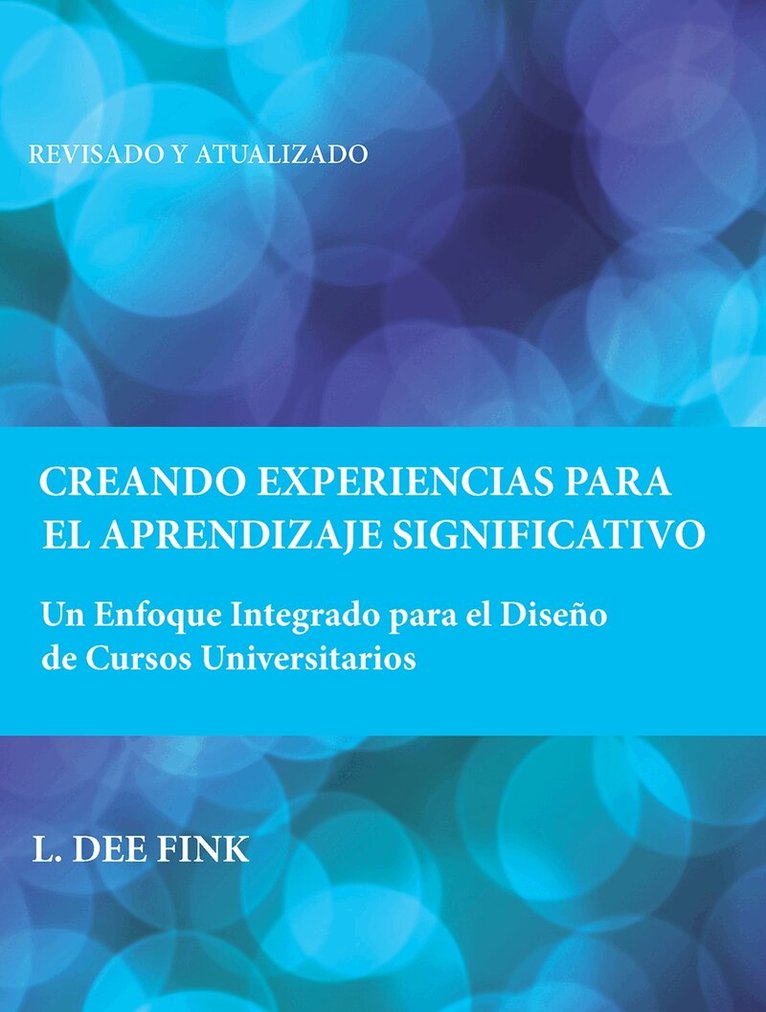
Creando Experiencias Para El Aprendizaje Significativo
Un Enfoque Integrado Para El Diseño De Cursos Universitarios
Av L. Dee Fink
Häftad, 2019
359 kr
Tillfälligt slut
Now made available for both domestic and international Spanish readers, L. Dee Fink’s updated bestselling classic provides busy faculty with invaluable conceptual and procedural tools for instructional design. Step by step, Fink shows how to systematically combine the best research-based practices …