The essays in this book analyze a range of genres and considers geographical areas beyond the Ottoman Empire to deepen our post-Saidian understanding of the complexity of real and imagined "traffic" between England and the "Islamic worlds" it encountered and constructed.
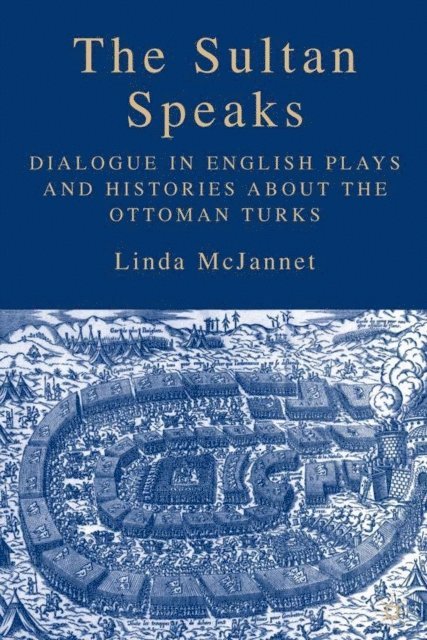
The first study of English historical plays about the Turks, using works in Greek, Arabic, and Turkish. Drawing on Bakhtin''s concept of the dialogic, McJannet shows that instead of adverse authorial commentary playwrights such as Marlowe and Fulke Greville use dialogue and commentary to enhance the sultan''s stature and mitigate his negative acts.
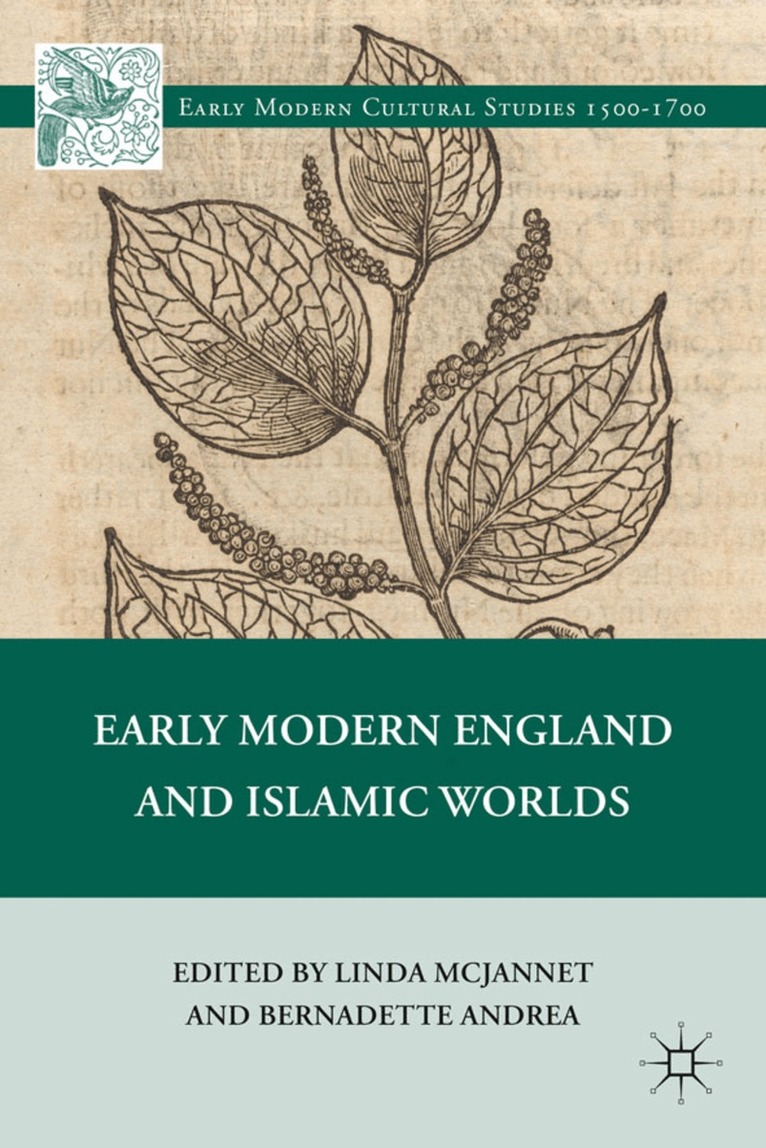
The essays in this book analyze a range of genres and considers geographical areas beyond the Ottoman Empire to deepen our post-Saidian understanding of the complexity of real and imagined "traffic" between England and the "Islamic worlds" it encountered and constructed.
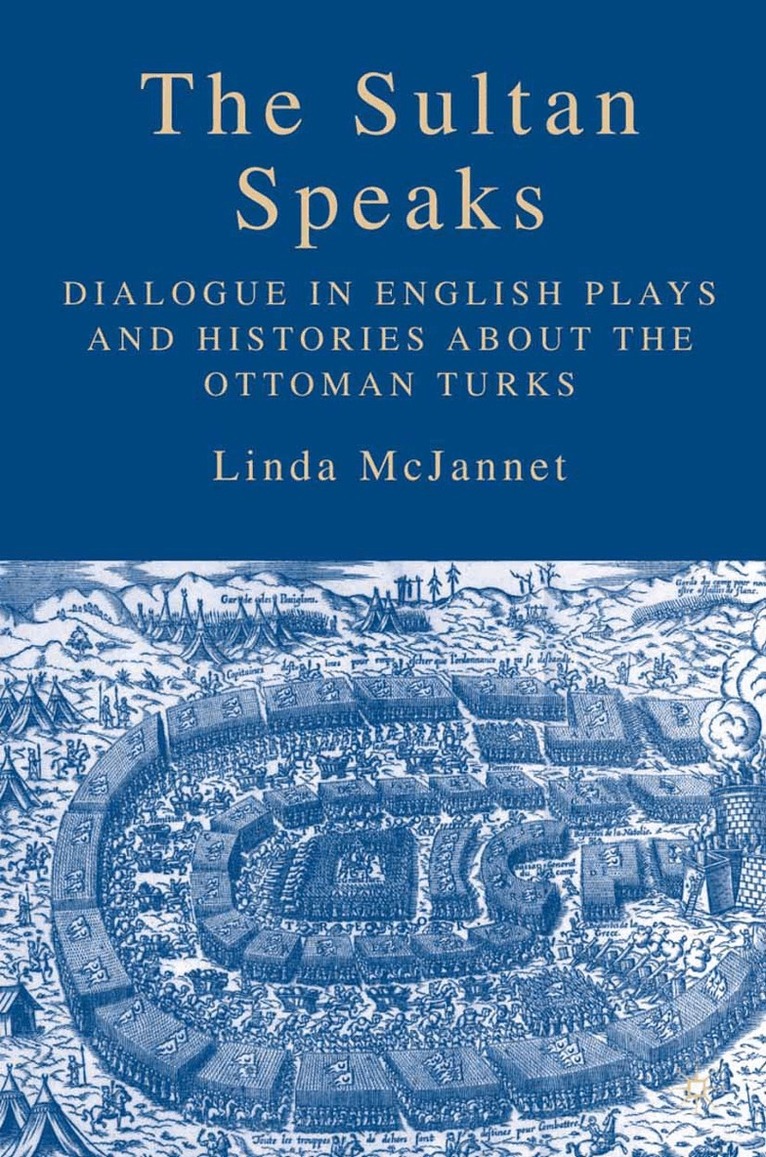
The first study of English historical plays about the Turks, using works in Greek, Arabic, and Turkish. Drawing on Bakhtin's concept of the dialogic, McJannet shows that instead of adverse authorial commentary playwrights such as Marlowe and Fulke Greville use dialogue and commentary to enhance the sultan's stature and mitigate his negative acts.