L. Stephanie Professor Cobb – författare
Visar alla böcker från författaren L. Stephanie Professor Cobb. Handla med fri frakt och snabb leverans.
3 produkter
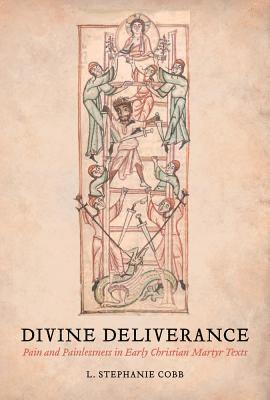
Divine Deliverance
Pain and Painlessness in Early Christian Martyr Texts
Av L. Stephanie Professor Cobb
Inbunden, 2016
1156 kr
Lägg i varukorg
Does martyrdom hurt? The obvious answer to this question is "yes." L. Stephanie Cobb, asserts, however, that early Christian martyr texts respond to this question with an emphatic "no!" Divine Deliverance examines the original martyr texts of the second through fifth centuries, concluding that …
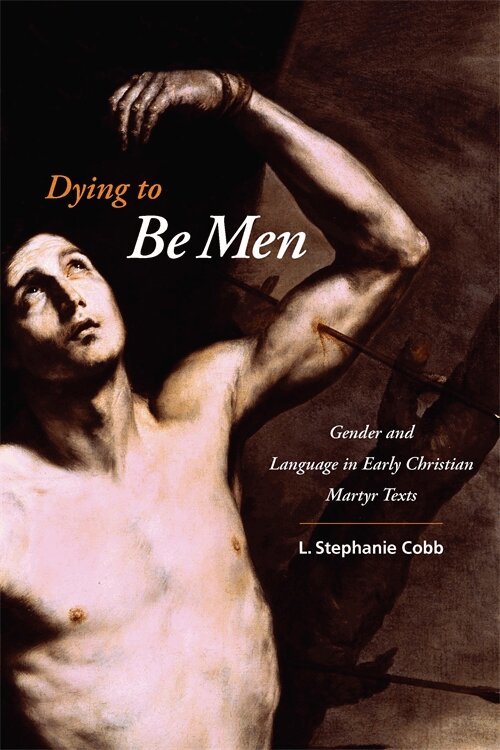
Dying to Be Men
Gender and Language in Early Christian Martyr Texts
Av L. Stephanie Professor Cobb
Inbunden, 2008
1230 kr
Lägg i varukorg
At once brave and athletic, virtuous and modest, female martyrs in the second and third centuries were depicted as self-possessed gladiators who at the same time exhibited the quintessentially "womanly" qualities of modesty, fertility, and beauty. L. Stephanie Cobb explores the double embodiment of …
Dying to Be Men
Gender and Language in Early Christian Martyr Texts
Av L. Stephanie Professor Cobb
E-bok, 2008
993 kr
Lägg i varukorg
At once brave and athletic, virtuous and modest, female martyrs in the second and third centuries were depicted as self-possessed gladiators who at the same time exhibited the quintessentially "womanly" qualities of modesty, fertility, and beauty. L. Stephanie Cobb explores the double embodiment of …