Labinot Greiçevci – författare
Visar alla böcker från författaren . Handla med fri frakt och snabb leverans.
4 produkter
4 produkter
Inbunden, Engelska, 2021
2 190 kr
Skickas inom 10-15 vardagar
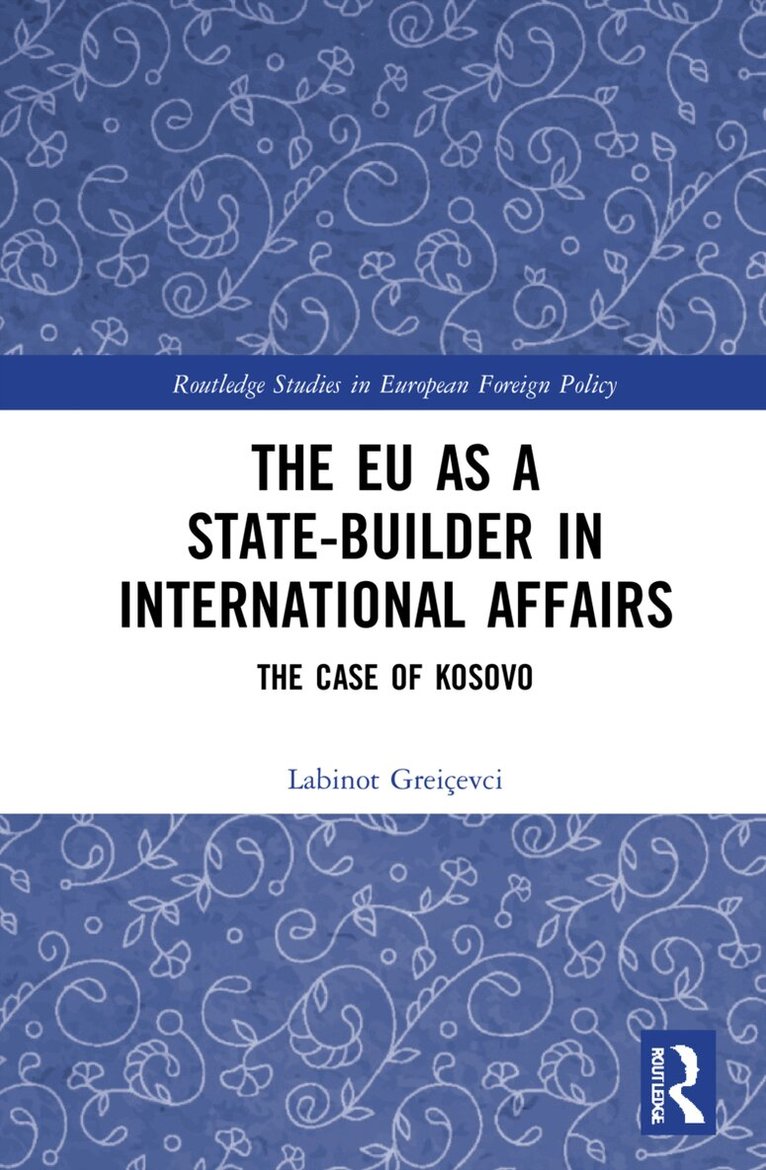
This book presents a systematic, in-depth, and comparative analysis of the role of the EU in the process of international state-building and is one of the first comprehensive books to do so at an international level.Taking the case of Kosovo, it examines the EU's role in the birth of a state in comparison to other international actors from 1999 to 2008 and moves on to analyse the EU's role in norm diffusion in the post-independence period (2008–2020). Throughout the book, the author draws parallel analyses with broader debates and scholarly literature regarding the EU’s role as a state-builder or norm-diffuser. Combining a liberal peace thesis framework with the normative power Europe (NPE) approach, it analyses how successful the EU and other international actors were in the diffusion of tangible and normative impacts in the process of state-building in Kosovo (1999–2008), along with the EU’s diffusion of normative impact from 2008 to 2020. Finally, it scrutinises the role of the EU and other international actors in the processes of state-building through transference tools (funding) and overt tools (political role). This book will be of key interest to scholars and students of EU foreign policy, European politics, peace and conflict studies, the Western Balkans, state-building, international organisations, and more broadly to international relations.
Häftad, Engelska, 2023
641 kr
Skickas inom 10-15 vardagar
This book presents a systematic, in-depth, and comparative analysis of the role of the EU in the process of international state-building and is one of the first comprehensive books to do so at an international level.Taking the case of Kosovo, it examines the EU's role in the birth of a state in comparison to other international actors from 1999 to 2008 and moves on to analyse the EU's role in norm diffusion in the post-independence period (2008–2020). Throughout the book, the author draws parallel analyses with broader debates and scholarly literature regarding the EU’s role as a state-builder or norm-diffuser. Combining a liberal peace thesis framework with the normative power Europe (NPE) approach, it analyses how successful the EU and other international actors were in the diffusion of tangible and normative impacts in the process of state-building in Kosovo (1999–2008), along with the EU’s diffusion of normative impact from 2008 to 2020. Finally, it scrutinises the role of the EU and other international actors in the processes of state-building through transference tools (funding) and overt tools (political role). This book will be of key interest to scholars and students of EU foreign policy, European politics, peace and conflict studies, the Western Balkans, state-building, international organisations, and more broadly to international relations.
Inbunden, Engelska, 2025
437 kr
Skickas inom 10-15 vardagar
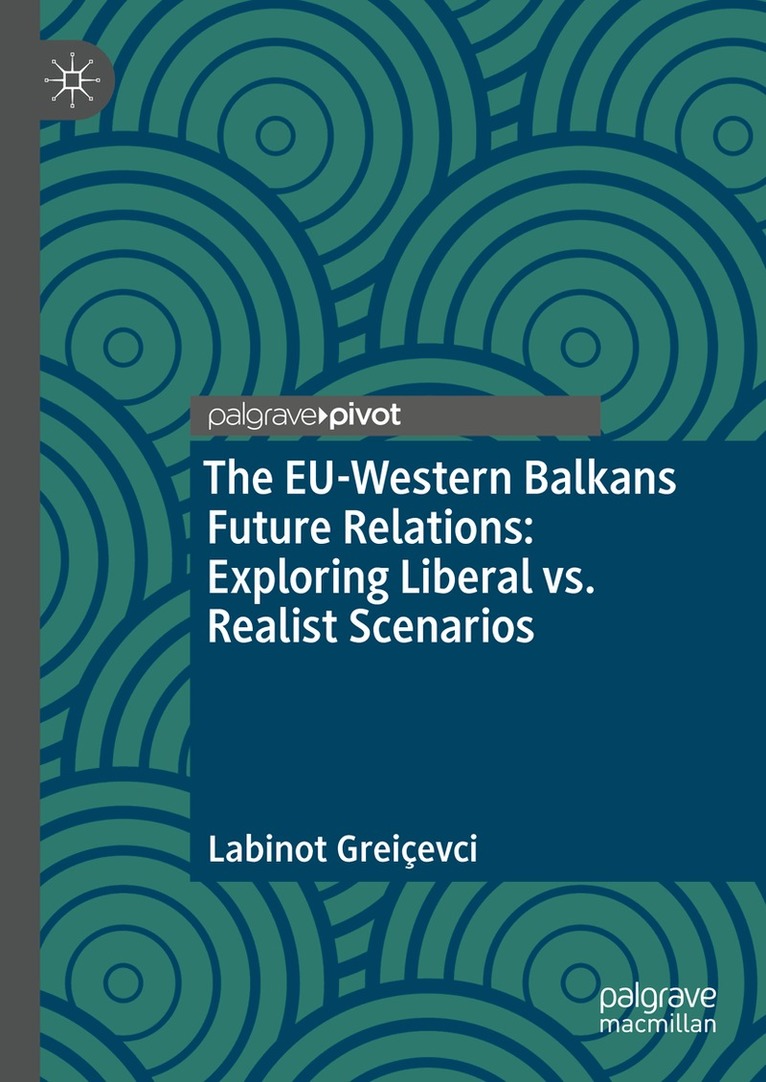
This book offers a comprehensive analysis of the evolving relations between the EU and the Western Balkans, adopting a forward-looking perspective for the next 5 to 10 years. It delves into the complex dynamics of integration and envisions multiple alternative scenarios (liberal vs. realist) for the region’s future relations with the EU, considering potential challenges and opportunities that may arise in the process. The book begins with a theoretical discussion of numerous perspectives that analyse the EU’s role in international relations, with specific emphasis on the EU actorness thesis. Subsequently, it provides a context and background related to the EU-Western Balkans relations. It then shifts its focus to the future, presenting and analysing a series of alternative scenarios (status quo, status quo+, geopolitical partial enlargement, and geopolitical full enlargement) for the next 5 to 10 years. Through in-depth analysis and expert insights, readers will gain a comprehensive understanding of the evolving dynamics between the EU and the Western Balkans. Ultimately, the book aims to equip scholars, policymakers, and interested readers with the knowledge needed to navigate the complex landscape of the EU’s future relations with this strategically significant region.
E-bok
Engelska, 2025554 kr
Läs direkt efter köp
This book offers a comprehensive analysis of the evolving relations between the EU and the Western Balkans, adopting a forward-looking perspective for the next 5 to 10 years. It delves into the complex dynamics of integration and envisions multiple alternative scenarios (liberal vs. realist) for the region’s future relations with the EU, considering potential challenges and opportunities that may arise in the process. The book begins with a theoretical discussion of numerous perspectives that analyse the EU’s role in international relations, with specific emphasis on the EU actorness thesis. Subsequently, it provides a context and background related to the EU-Western Balkans relations. It then shifts its focus to the future, presenting and analysing a series of alternative scenarios (status quo, status quo+, geopolitical partial enlargement, and geopolitical full enlargement) for the next 5 to 10 years. Through in-depth analysis and expert insights, readers will gain a comprehensive understanding of the evolving dynamics between the EU and the Western Balkans. Ultimately, the book aims to equip scholars, policymakers, and interested readers with the knowledge needed to navigate the complex landscape of the EU’s future relations with this strategically significant region.