Lala Behari Sukla - Böcker
Visar alla böcker från författaren Lala Behari Sukla. Handla med fri frakt och snabb leverans.
3 produkter
3 produkter
1 590 kr
Skickas inom 10-15 vardagar
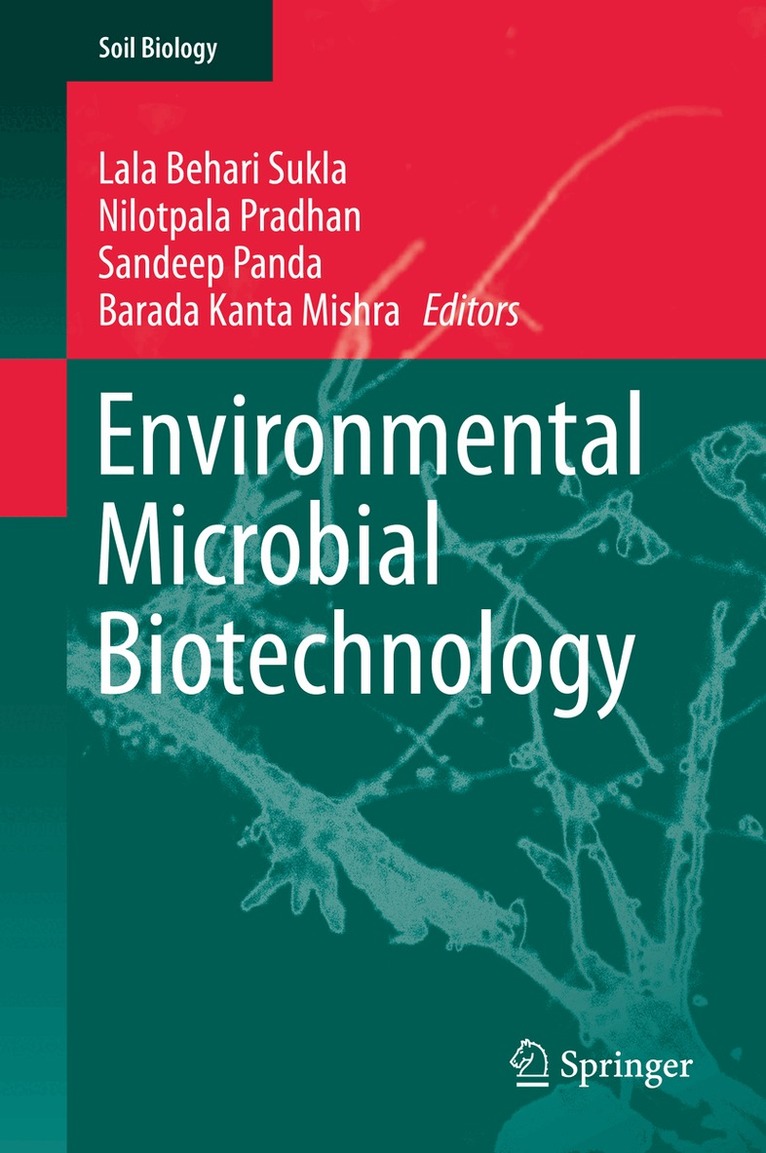
This book provides a timely review of strategies for coping with polluted ecosystems by employing bacteria, fungi and algae. It presents the vast variety of microbial technologies currently applied in the bioremediation of a variety of anthropogenic toxic chemicals, mining and industrial wastes and other pollutants.Topics covered include: microbe-mineral interactions, biosensors in environmental monitoring, iron-mineral transformation, microbial biosurfactants, bioconversion of cotton gin waste to bioethanol, anaerobe bioleaching and sulfide oxidation. Further chapters discuss the effects of pollution on microbial diversity, as well as the role of microbes in the bioremediation of abandoned mining areas, industrial and horticultural wastes, wastewater and sites polluted with hydrocarbons, heavy metals, manganese and uranium.
1 590 kr
Skickas inom 10-15 vardagar
This book provides a timely review of strategies for coping with polluted ecosystems by employing bacteria, fungi and algae. It presents the vast variety of microbial technologies currently applied in the bioremediation of a variety of anthropogenic toxic chemicals, mining and industrial wastes and other pollutants.Topics covered include: microbe-mineral interactions, biosensors in environmental monitoring, iron-mineral transformation, microbial biosurfactants, bioconversion of cotton gin waste to bioethanol, anaerobe bioleaching and sulfide oxidation. Further chapters discuss the effects of pollution on microbial diversity, as well as the role of microbes in the bioremediation of abandoned mining areas, industrial and horticultural wastes, wastewater and sites polluted with hydrocarbons, heavy metals, manganese and uranium.
1 286 kr
Skickas inom 10-15 vardagar
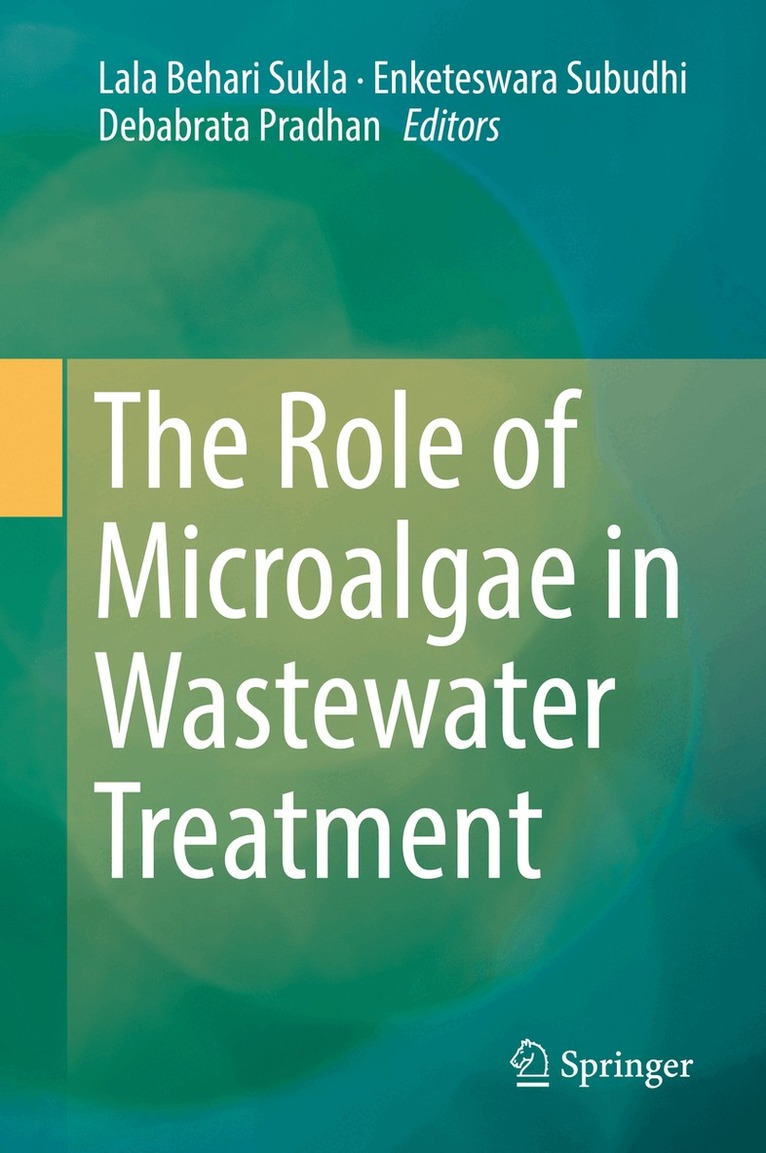
This book deals with the most emerging aspects of algal research with special reference to microalgae viz; diversity, mutations, genomics and metagenomics study, eco-physiology, culturing, microalgae for food and feed, biofuel production, harvesting of microalgae, separation, and purification of biochemicals, techno-economical assessment, microalgal biotechnology, algal-bacterial systems for wastewater treatment. It describes the complex issues associated with the above-mentioned areas with the intervention of cutting-edge biotechnological tools and techniques like next-generation sequencing methods, metabolomics, and bioreactor design and development. The chapters provide past developments, current information and future prospects of algal technology as an alternate avenue for waste water treatment and its potential for production of biofuel and nutraceuticals.