Laligam N. Sekhar – författare
6 682 kr
Läs direkt efter köp
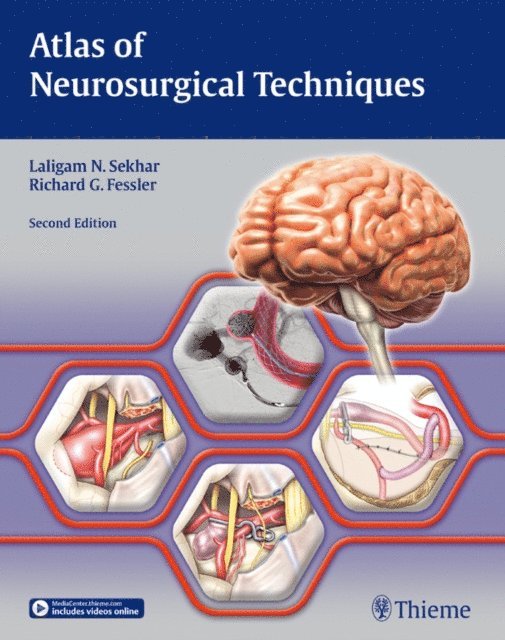
Atlas of Neurosurgical Techniques: Brain presents the current information on how to manage diseases and disorders of the brain. Ideal as a reference for review in preparation for surgery, this atlas features succinct discussion of pathology and etiology that helps the reader gain a firm understanding of the underlying disease and conditions. The authors provide step-by-step descriptions of surgical techniques, clearly delineating the indications and contraindications, the goals, the operative preparation and anesthesia, and postoperative management. Common complications of techniques are also emphasized. Over 900 illustrations aid the rapid comprehension of the surgical procedures described in the text.
Highlights:
Clear descriptions of the surgical management of aneurysms, arteriovenous malformations, occlusive and hemorrhagic vascular diseases, tumors, lesions, pain disorders, trauma, infections, and moreDetailed discussion of disease pathology, etiology, and differential diagnosisConcise outlines of indications, contraindications, as well as advantages and disadvantages of each technique illuminate the rationale behind surgical managementMore than 900 illustrations, including 684 in full-color, demonstrate key conceptsSections on the latest techniques in stereotactic and minimally invasive surgeryThis companion volume to Atlas of Neurosurgical Techniques: Spine and Peripheral Nerves is an essential reference for all neurosurgeons and residents seeking the current information on state-of-the-art techniques in brain surgery.
4 920 kr
Skickas inom 5-8 vardagar
5 480 kr
Skickas inom 5-8 vardagar
6 682 kr
Läs direkt efter köp
Atlas of Neurosurgical Techniques: Spine and Peripheral Nerves
Originally published in 2006, the second edition of this award-winning neurosurgical atlas is written by a notable cadre of world-renowned spine surgeons. Reflecting the enormous depth and breadth of spine surgery, this volume has been completely updated with current, state-of-the-art surgical methodologies and minimally invasive options. Pathologies include degenerative changes, congenital abnormalities, rheumatic diseases, tumors, and trauma.
The authors have divided the book into six consistent sections: occipital-cervical, midcervical spine, cervicothoracic junction, thoracic and thoracolumbar spine, lumbar and lumbosacral spine, and peripheral nerve. Within each section, the opening chapters cover comprehensive discussion of pathology, etiology, and differential diagnosis. Succeeding chapters present step-by-step surgical techniques encompassing anterior, anterolateral, posterior, and posterolateral approaches, separately and in sequence. Minimally invasive techniques and peripheral nerve procedures, including the brachial plexus, lumbosacral plexus, and individual nerves are covered independently, following the same organization.
Key Highlights:
Clearly delineated indications, contraindications, advantages, and disadvantages provided for each surgeryOperations with same opening and closing technique covered just once, thereby minimizing redundancyBeautifully illustrated with more than 1,000 imagesVideo compendium created by master surgeons provides up-close guidance on a wide array of surgical proceduresIdeal for both the busy practitioner seeking review and resident looking for robust study materialsThis book is an incomparable learning tool for residents, who will likely read it several times during the course of residency. A precisely edited, didactic atlas, neurosurgeons and orthopaedic surgeons will also find it an invaluable resource.
7 584 kr
Läs direkt efter köp
Now in two volumes–an updated atlas to help you and disorders of the brain…
This thoroughly revised and expanded atlas is the ideal reference for residents, fellows, and clinicians to review surgical procedures before entering the operating room. The authors provide step-by-step descriptions of techniques, clearly delineating indications and contraindications, goals, operative preparation and anesthesia, and postoperative management. The main focus of this book is on teaching neurosurgical techniques at the most detailed level.
Features of the second edition:
A new chapter on proton therapyAn expanded section covering the latest radiosurgery techniquesNearly 3,000 high-quality images aid rapid comprehension of surgical proceduresOnline access to more than 100 surgical technique videosThis book should be read cover to cover by young practitioners several times during their residency, and it will keep more experienced neurosurgeons up-to-date on the latest surgical techniques in the field.