Lanny Ebenstein – författare
Visar alla böcker från författaren Lanny Ebenstein. Handla med fri frakt och snabb leverans.
9 produkter
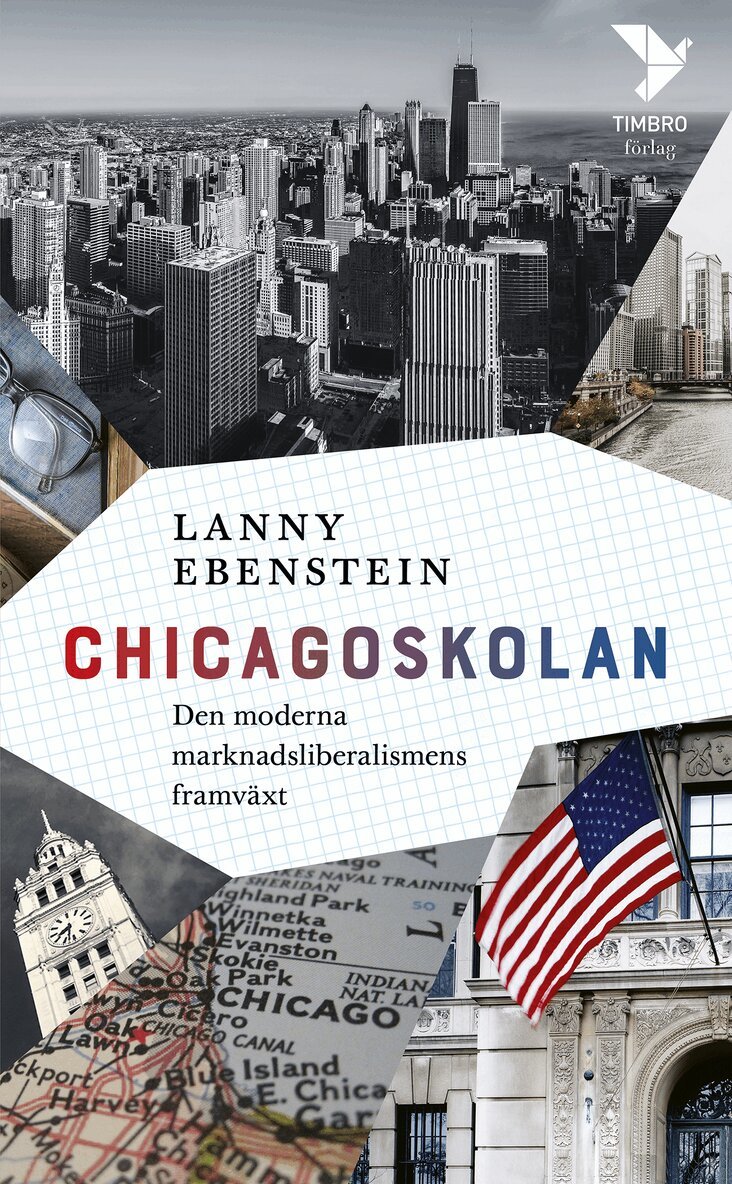
Chicagoskolan : den moderna marknadsliberalismens framväxt
Pocket, 2023
4,0 utav 5 stjärnor. Totalt antal röster: (2)
89 kr
Lägg i varukorg
"Förtjänar att läsas av alla med intresse för ekonomisk politik" (The Economist) Under efterkrigstiden kom Chicago att bli symbol för den globala liberaliseringen. Chicagouniversitetets ledande ekonomer utövade med sina analyser ett enormt inflytande över den ekonomiska politiken runt om i världen. …
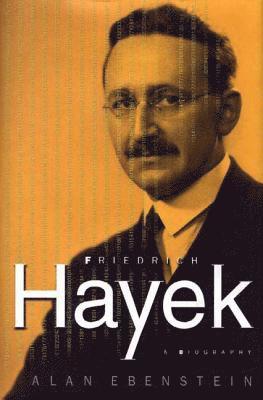
Friedrich Hayek
A Biography
Inbunden, 2001
385 kr
Lägg i varukorg
Friedrich August von Hayek, a reserved Austrian economist, died in 1992. Though largely unrecognized during his lifetime, he is today regarded as a visionary. In 1944, in the wake of the great Depression and with the political left on the ascendant, Hayek published his seminal work, "The Road to …
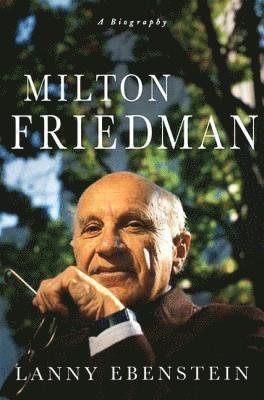
Milton Friedman
A Biography
Häftad, 2009
294 kr
Lägg i varukorg
Born the son of immigrant parents, Milton Friedman went on to become a major figure during the resurgence of American conservatism. As an advisor to the Reagan administration and a widely read columnist, he played a vital role in shaping government policy and public opinion while he made headlines …
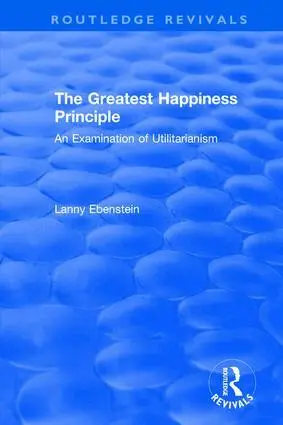
Routledge Revivals: The Greatest Happiness Principle (1986)
An Examination of Utilitarianism
Inbunden, 2017
2131 kr
Lägg i varukorg
First published in 1991, The Greatest Happiness Principle traces the history of the theory of utility, starting with the Bible, and running through Plato, Aristotle, and Epicurus. It goes on to discuss the utilitarian theories of Jeremy Bentham and John Stuart Mill in detail, commenting on the …
Routledge Revivals: The Greatest Happiness Principle (1986)
An Examination of Utilitarianism
Häftad, 2021
560 kr
Lägg i varukorg
First published in 1991, The Greatest Happiness Principle traces the history of the theory of utility, starting with the Bible, and running through Plato, Aristotle, and Epicurus. It goes on to discuss the utilitarian theories of Jeremy Bentham and John Stuart Mill in detail, commenting on the …
Routledge Revivals: The Greatest Happiness Principle (1986)
An Examination of Utilitarianism
E-bok, 2018
644 kr
Lägg i varukorg
First published in 1991, The Greatest Happiness Principle traces the history of the theory of utility, starting with the Bible, and running through Plato, Aristotle, and Epicurus. It goes on to discuss the utilitarian theories of Jeremy Bentham and John Stuart Mill in detail, commenting on the …
Routledge Revivals: The Greatest Happiness Principle (1986)
An Examination of Utilitarianism
E-bok, 2018
658 kr
Lägg i varukorg
First published in 1991, The Greatest Happiness Principle traces the history of the theory of utility, starting with the Bible, and running through Plato, Aristotle, and Epicurus. It goes on to discuss the utilitarian theories of Jeremy Bentham and John Stuart Mill in detail, commenting on the …
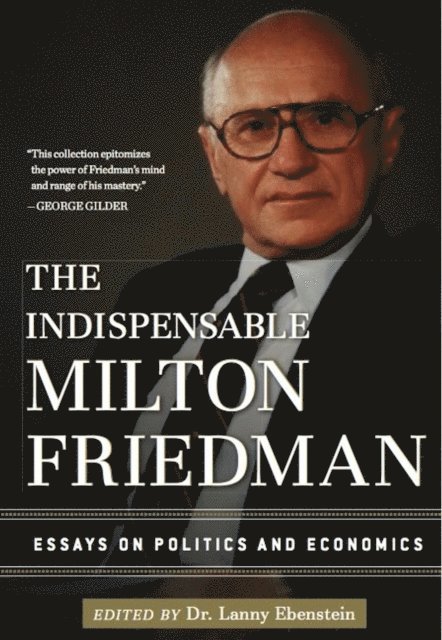
Indispensable Milton Friedman
Essays on Politics and Economics
E-bok, 2012
158 kr
Lägg i varukorg
Milton Friedman is one of the most famous economists in history. His writings and theories on everything from capitalism and freedom to deregulation and welfare have inspired movements, influenced government policies, and changed the course of America’s economic history. Now, acclaimed Friedman …
Chicagoskolan
E-bok
49 kr
Lägg i varukorg
"Förtjänar att läsas av alla med intresse för ekonomisk politik" (The Economist) Under efterkrigstiden kom Chicago att bli symbol för den globala liberaliseringen. Chicagouniversitetets ledande ekonomer utövade med sina analyser ett enormt inflytande över den ekonomiska politiken runt om i världen. …