Lanny J. Rosenwasser – författare
Visar alla böcker från författaren Lanny J. Rosenwasser. Handla med fri frakt och snabb leverans.
19 produkter
19 produkter
Inbunden, Engelska, 2020
923 kr
Skickas inom 10-15 vardagar
This issue of Immunology and Allergy Clinics, guest edited by Dr. Lanny Rosenwasser, will provide up-to-date clinical concepts regarding Biologics for the Treatments of Allergic Conditions. Articles in this outstanding issue include: Allergic Rhinitis/CRS/Polyposis, Eosinophilic Asthma, Pediatric Asthma, Severe Asthma, ACOS/COPD, Food Allergy, Atopic Dermatitis, Chronic Urticaria, Anaphylaxis, Drug Allergy, Cell Disorders, Biologics and Immunotherapy, and much more.
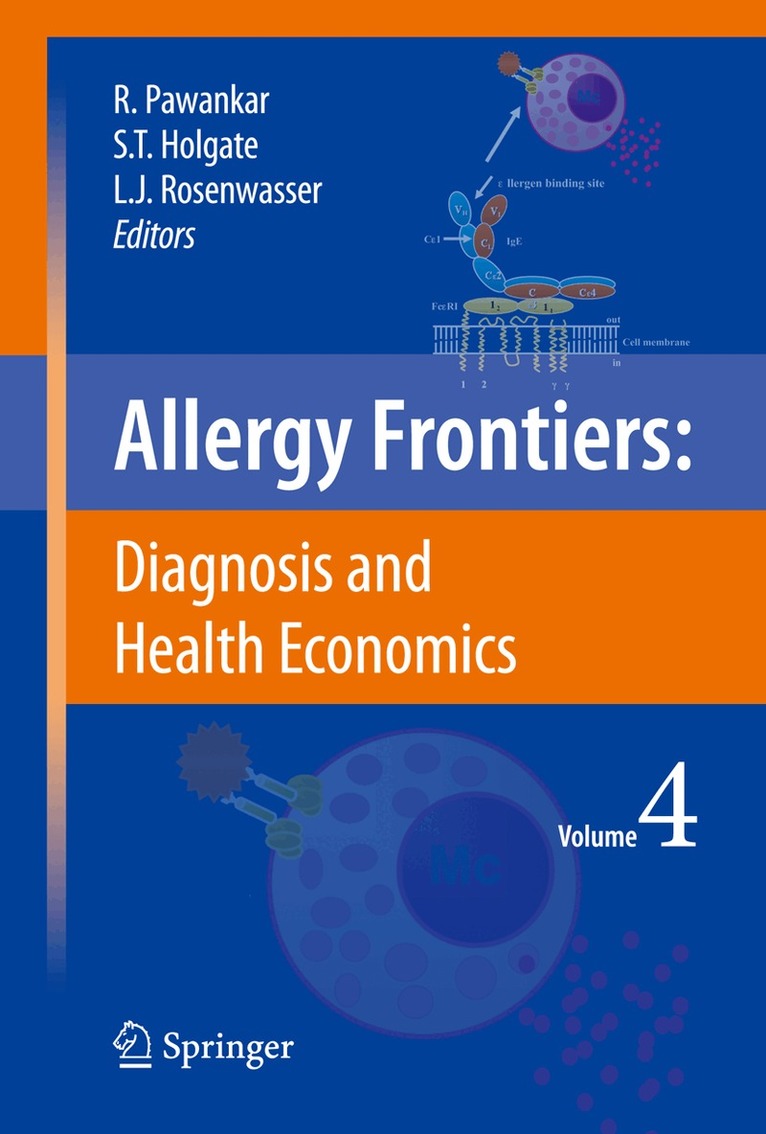
Del 4 - Allergy Frontiers
Allergy Frontiers:Diagnosis and Health Economics
Häftad, Engelska, 2011
3 127 kr
Skickas inom 10-15 vardagar
When I entered the field of allergy in the early 1970s, the standard textbook was a few hundred pages, and the specialty was so compact that texts were often authored entirely by a single individual and were never larger than one volume. Compare this with Allergy Frontiers: Epigenetics, Allergens, and Risk Factors, the present s- volume text with well over 150 contributors from throughout the world. This book captures the explosive growth of our specialty since the single-author textbooks referred to above. The unprecedented format of this work lies in its meticulous attention to detail yet comprehensive scope. For example, great detail is seen in manuscripts dealing with topics such as “Exosomes, naturally occurring minimal antigen presenting units” and “Neuropeptide S receptor 1 (NPSR1), an asthma susceptibility gene.” The scope is exemplified by the unique approach to disease entities normally dealt with in a single chapter in most texts. For example, anaphylaxis, a topic usually confined to one chapter in most textbooks, is given five chapters in Allergy Frontiers. This approach allows the text to employ multiple contributors for a single topic, giving the reader the advantage of being introduced to more than one vi- point regarding a single disease.
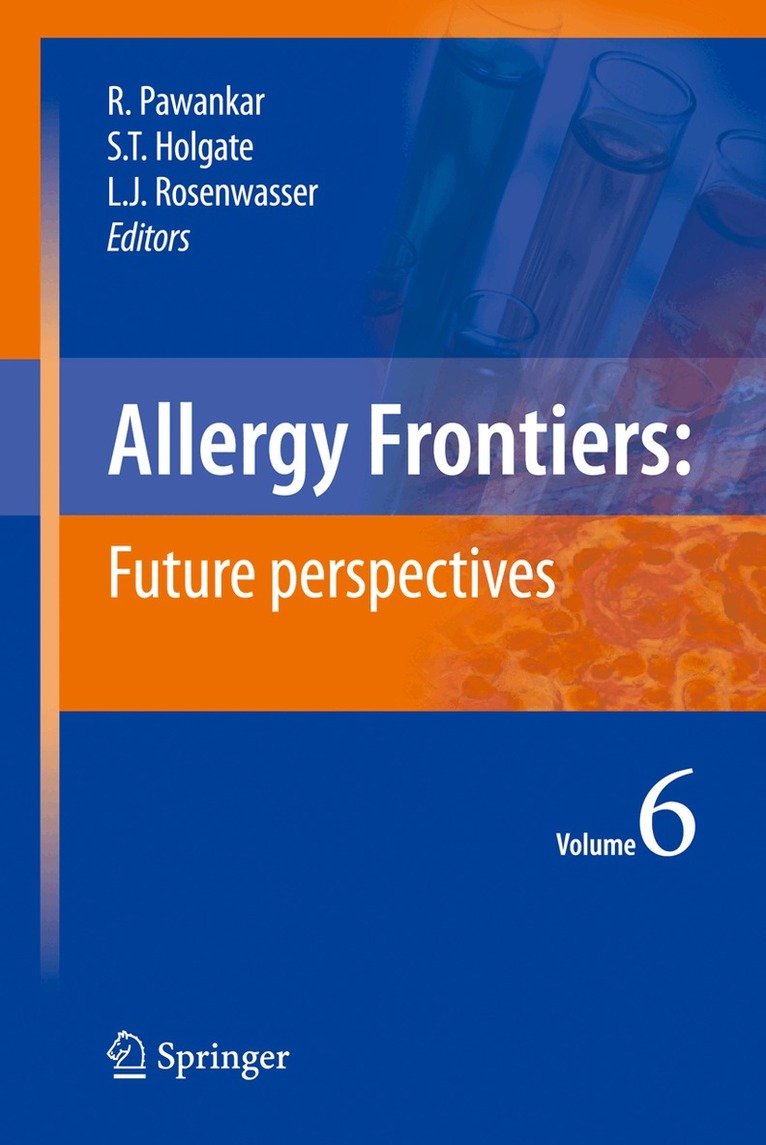
Del 6 - Allergy Frontiers
Allergy Frontiers:Future Perspectives
Häftad, Engelska, 2012
1 233 kr
Skickas inom 10-15 vardagar
When I entered the field of allergy in the early 1970s, the standard textbook was a few hundred pages, and the specialty was so compact that texts were often authored entirely by a single individual and were never larger than one volume.
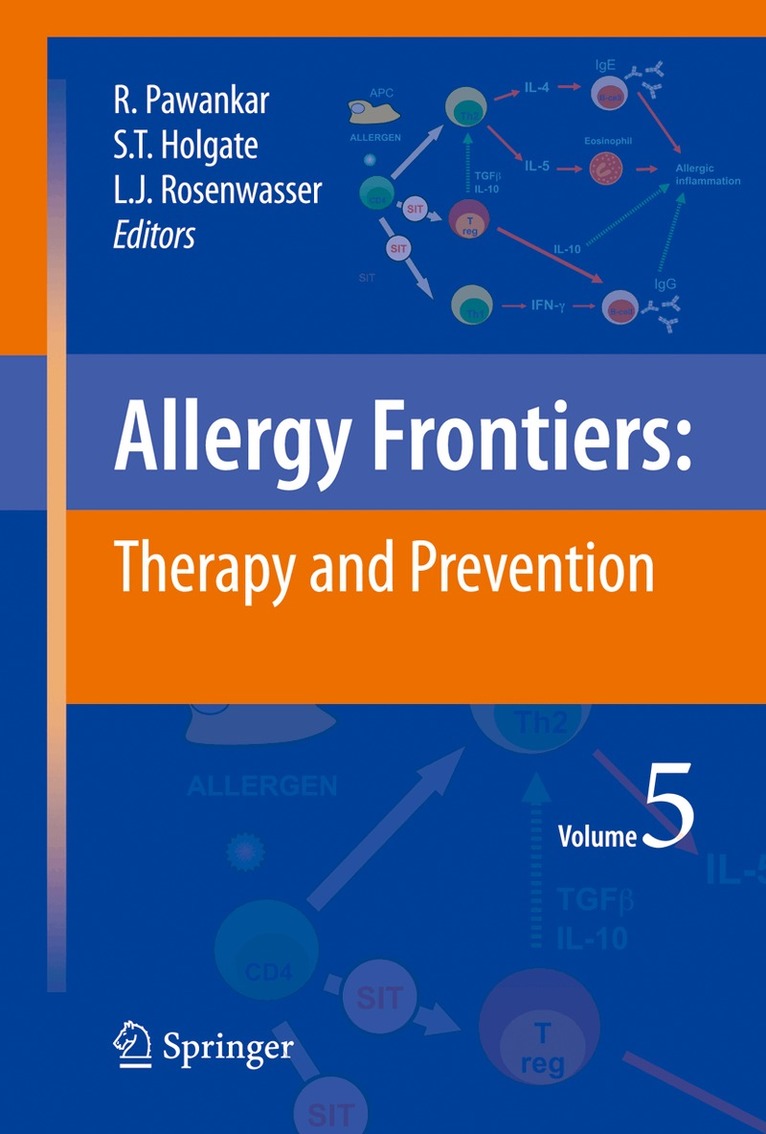
Del 5 - Allergy Frontiers
Allergy Frontiers:Therapy and Prevention
Häftad, Engelska, 2012
2 447 kr
Skickas inom 10-15 vardagar
When I entered the field of allergy in the early 1970s, the standard textbook was a few hundred pages, and the specialty was so compact that texts were often authored entirely by a single individual and were never larger than one volume.
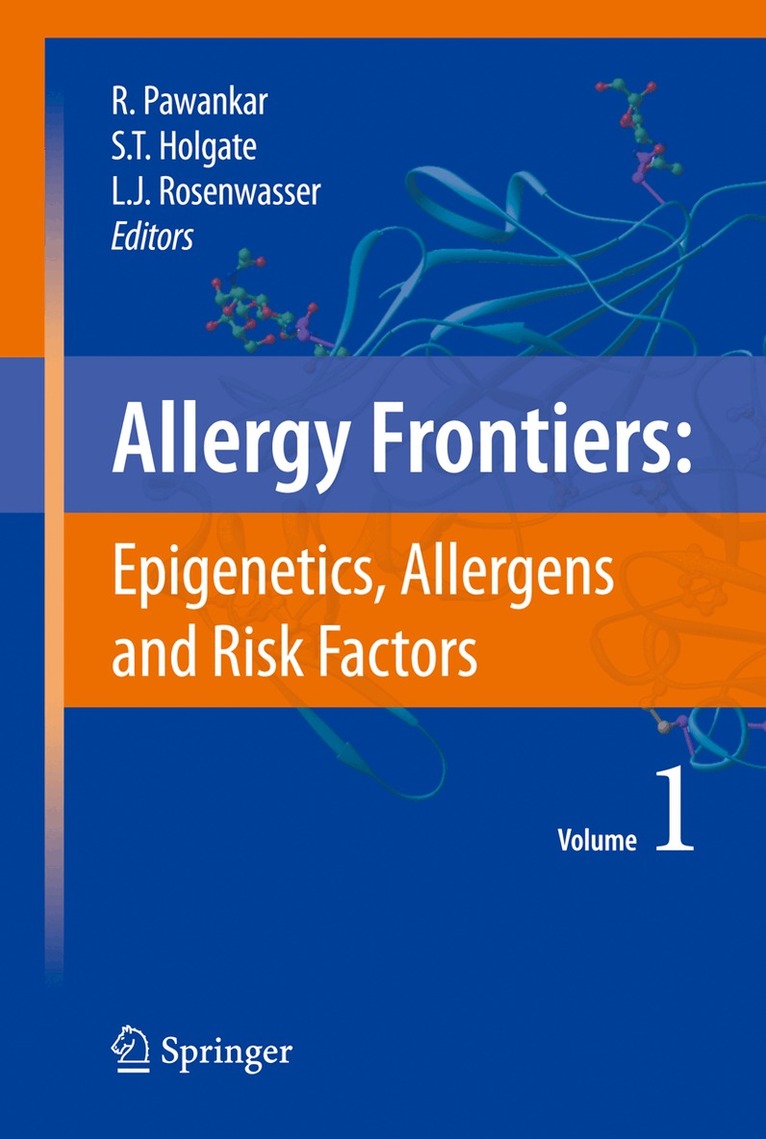
Del 1 - Allergy Frontiers
Allergy Frontiers:Epigenetics, Allergens and Risk Factors
Inbunden, Engelska, 2008
2 171 kr
Skickas inom 10-15 vardagar
When I entered the field of allergy in the early 1970s, the standard textbook was a few hundred pages, and the specialty was so compact that texts were often authored entirely by a single individual and were never larger than one volume. Compare this with Allergy Frontiers: Epigenetics, Allergens, and Risk Factors, the present s- volume text with well over 150 contributors from throughout the world. This book captures the explosive growth of our specialty since the single-author textbooks referred to above. The unprecedented format of this work lies in its meticulous attention to detail yet comprehensive scope. For example, great detail is seen in manuscripts dealing with topics such as “Exosomes, naturally occurring minimal antigen presenting units” and “Neuropeptide S receptor 1 (NPSR1), an asthma susceptibility gene.” The scope is exemplified by the unique approach to disease entities normally dealt with in a single chapter in most texts. For example, anaphylaxis, a topic usually confined to one chapter in most textbooks, is given five chapters in Allergy Frontiers. This approach allows the text to employ multiple contributors for a single topic, giving the reader the advantage of being introduced to more than one vi- point regarding a single disease.
E-bok
PDF, Engelska, 20082 822 kr
Läs direkt efter köp
When I entered the field of allergy in the early 1970s, the standard textbook was a few hundred pages, and the specialty was so compact that texts were often authored entirely by a single individual and were never larger than one volume. Compare this with Allergy Frontiers: Epigenetics, Allergens, and Risk Factors, the present s- volume text with well over 150 contributors from throughout the world. This book captures the explosive growth of our specialty since the single-author textbooks referred to above. The unprecedented format of this work lies in its meticulous attention to detail yet comprehensive scope. For example, great detail is seen in manuscripts dealing with topics such as “Exosomes, naturally occurring minimal antigen presenting units” and “Neuropeptide S receptor 1 (NPSR1), an asthma susceptibility gene.” The scope is exemplified by the unique approach to disease entities normally dealt with in a single chapter in most texts. For example, anaphylaxis, a topic usually confined to one chapter in most textbooks, is given five chapters in Allergy Frontiers. This approach allows the text to employ multiple contributors for a single topic, giving the reader the advantage of being introduced to more than one vi- point regarding a single disease.
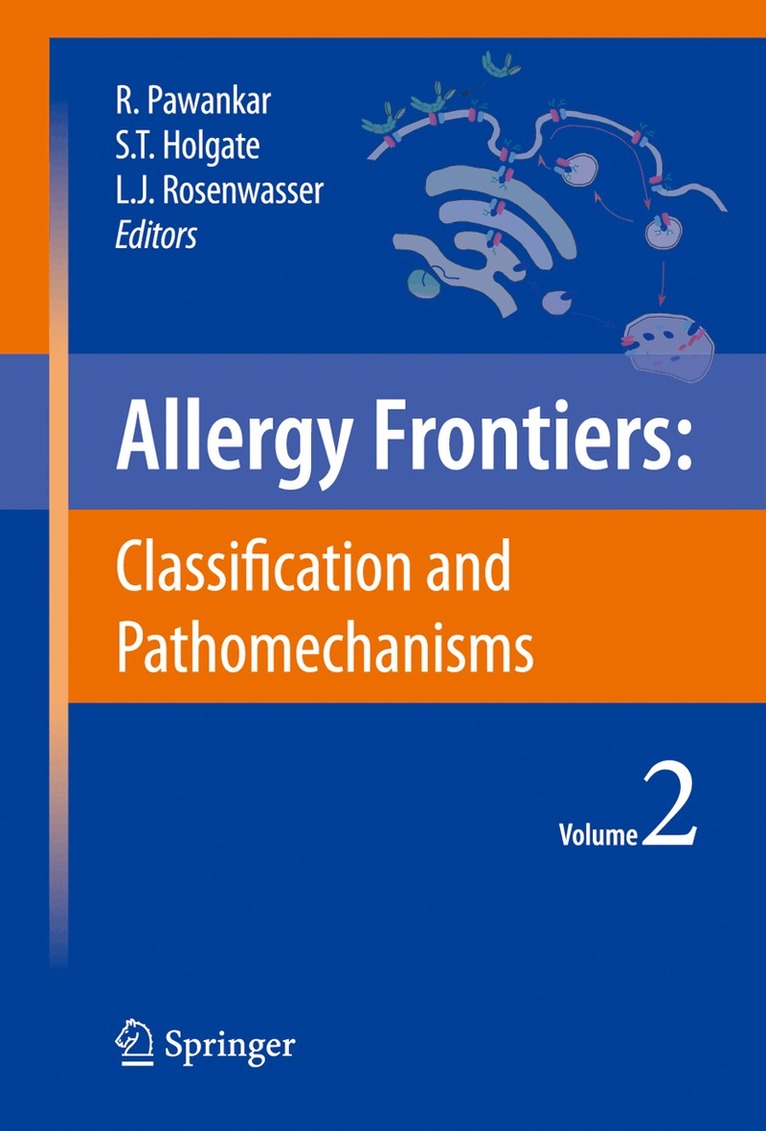
Del 2 - Allergy Frontiers
Allergy Frontiers:Classification and Pathomechanisms
Inbunden, Engelska, 2009
2 236 kr
Skickas inom 10-15 vardagar
When I entered the field of allergy in the early 1970s, the standard textbook was a few hundred pages, and the specialty was so compact that texts were often authored entirely by a single individual and were never larger than one volume.
E-bok
PDF, Engelska, 20092 822 kr
Läs direkt efter köp
When I entered the field of allergy in the early 1970s, the standard textbook was a few hundred pages, and the specialty was so compact that texts were often authored entirely by a single individual and were never larger than one volume. Compare this with Allergy Frontiers: Epigenetics, Allergens, and Risk Factors, the present s- volume text with well over 150 contributors from throughout the world. This book captures the explosive growth of our specialty since the single-author textbooks referred to above. The unprecedented format of this work lies in its meticulous attention to detail yet comprehensive scope. For example, great detail is seen in manuscripts dealing with topics such as “Exosomes, naturally occurring minimal antigen presenting units” and “Neuropeptide S receptor 1 (NPSR1), an asthma susceptibility gene.” The scope is exemplified by the unique approach to disease entities normally dealt with in a single chapter in most texts. For example, anaphylaxis, a topic u- ally confined to one chapter in most textbooks, is given five chapters in Allergy Frontiers. This approach allows the text to employ multiple contributors for a single topic, giving the reader the advantage of being introduced to more than one vi- point regarding a single disease.
Del 3 - Allergy Frontiers
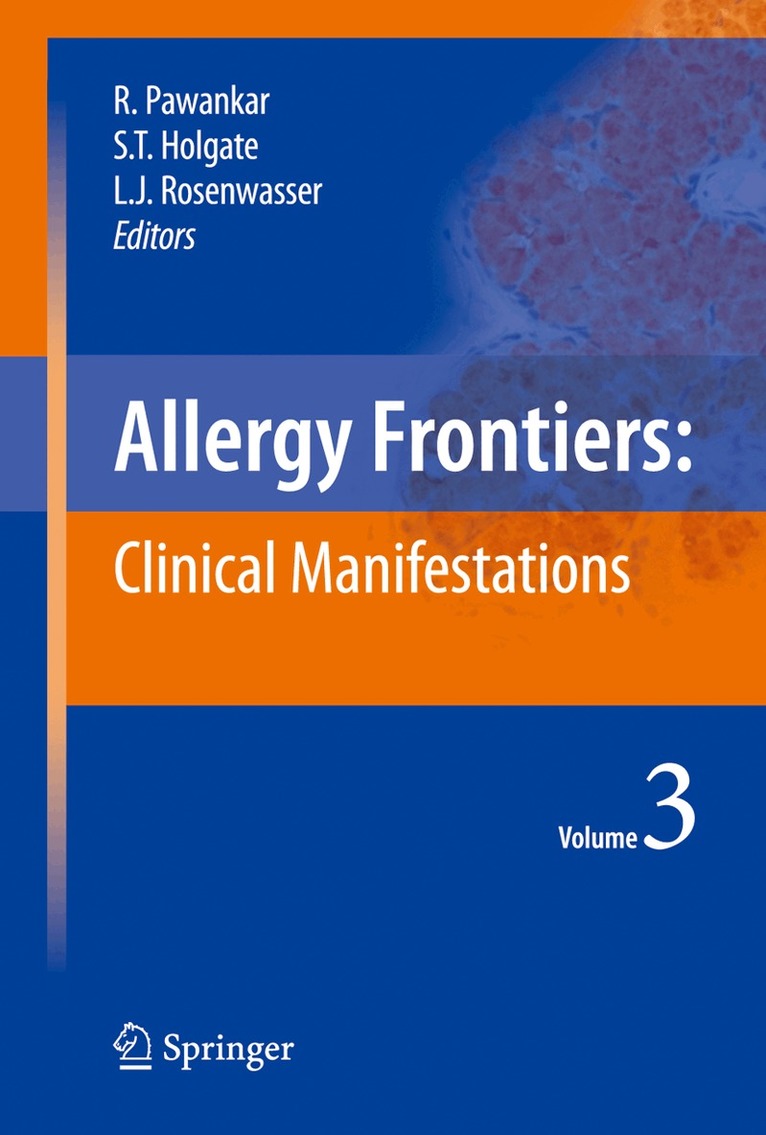
Allergy Frontiers:Clinical Manifestations
Inbunden, Engelska, 2009
2 236 kr
Skickas inom 10-15 vardagar
When I entered the field of allergy in the early 1970s, the standard textbook was a few hundred pages, and the specialty was so compact that texts were often authored entirely by a single individual and were never larger than one volume. Compare this with Allergy Frontiers: Epigenetics, Allergens, and Risk Factors, the present s- volume text with well over 150 contributors from throughout the world. This book captures the explosive growth of our specialty since the single-author textbooks referred to above. The unprecedented format of this work lies in its meticulous attention to detail yet comprehensive scope. For example, great detail is seen in manuscripts dealing with topics such as “Exosomes, naturally occurring minimal antigen presenting units” and “Neuropeptide S receptor 1 (NPSR1), an asthma susceptibility gene.” The scope is exemplified by the unique approach to disease entities normally dealt with in a single chapter in most texts. For example, anaphylaxis, a topic usually confined to one chapter in most textbooks, is given five chapters in Allergy Frontiers. This approach allows the text to employ multiple contributors for a single topic, giving the reader the advantage of being introduced to more than one vi- point regarding a single disease.
E-bok
PDF, Engelska, 20092 822 kr
Läs direkt efter köp
When I entered the field of allergy in the early 1970s, the standard textbook was a few hundred pages, and the specialty was so compact that texts were often authored entirely by a single individual and were never larger than one volume. Compare this with Allergy Frontiers: Epigenetics, Allergens, and Risk Factors, the present s- volume text with well over 150 contributors from throughout the world. This book captures the explosive growth of our specialty since the single-author textbooks referred to above. The unprecedented format of this work lies in its meticulous attention to detail yet comprehensive scope. For example, great detail is seen in manuscripts dealing with topics such as “Exosomes, naturally occurring minimal antigen presenting units” and “Neuropeptide S receptor 1 (NPSR1), an asthma susceptibility gene.” The scope is exemplified by the unique approach to disease entities normally dealt with in a single chapter in most texts. For example, anaphylaxis, a topic usually confined to one chapter in most textbooks, is given five chapters in Allergy Frontiers. This approach allows the text to employ multiple contributors for a single topic, giving the reader the advantage of being introduced to more than one vi- point regarding a single disease.
Del 4 - Allergy Frontiers
Allergy Frontiers:Diagnosis and Health Economics
Inbunden, Engelska, 2009
2 236 kr
Skickas inom 10-15 vardagar
When I entered the field of allergy in the early 1970s, the standard textbook was a few hundred pages, and the specialty was so compact that texts were often authored entirely by a single individual and were never larger than one volume. Compare this with Allergy Frontiers: Epigenetics, Allergens, and Risk Factors, the present s- volume text with well over 150 contributors from throughout the world. This book captures the explosive growth of our specialty since the single-author textbooks referred to above. The unprecedented format of this work lies in its meticulous attention to detail yet comprehensive scope. For example, great detail is seen in manuscripts dealing with topics such as “Exosomes, naturally occurring minimal antigen presenting units” and “Neuropeptide S receptor 1 (NPSR1), an asthma susceptibility gene.” The scope is exemplified by the unique approach to disease entities normally dealt with in a single chapter in most texts. For example, anaphylaxis, a topic usually confined to one chapter in most textbooks, is given five chapters in Allergy Frontiers. This approach allows the text to employ multiple contributors for a single topic, giving the reader the advantage of being introduced to more than one vi- point regarding a single disease.
E-bok
PDF, Engelska, 20092 822 kr
Läs direkt efter köp
When I entered the field of allergy in the early 1970s, the standard textbook was a few hundred pages, and the specialty was so compact that texts were often authored entirely by a single individual and were never larger than one volume. Compare this with Allergy Frontiers: Epigenetics, Allergens, and Risk Factors, the present s- volume text with well over 150 contributors from throughout the world. This book captures the explosive growth of our specialty since the single-author textbooks referred to above. The unprecedented format of this work lies in its meticulous attention to detail yet comprehensive scope. For example, great detail is seen in manuscripts dealing with topics such as “Exosomes, naturally occurring minimal antigen presenting units” and “Neuropeptide S receptor 1 (NPSR1), an asthma susceptibility gene.” The scope is exemplified by the unique approach to disease entities normally dealt with in a single chapter in most texts. For example, anaphylaxis, a topic usually confined to one chapter in most textbooks, is given five chapters in Allergy Frontiers. This approach allows the text to employ multiple contributors for a single topic, giving the reader the advantage of being introduced to more than one vi- point regarding a single disease.
Del 5 - Allergy Frontiers
Allergy Frontiers:Therapy and Prevention
Inbunden, Engelska, 2010
3 350 kr
Skickas inom 10-15 vardagar
When I entered the field of allergy in the early 1970s, the standard textbook was a few hundred pages, and the specialty was so compact that texts were often authored entirely by a single individual and were never larger than one volume.
E-bok
PDF, Engelska, 20103 137 kr
Läs direkt efter köp
When I entered the field of allergy in the early 1970s, the standard textbook was a few hundred pages, and the specialty was so compact that texts were often authored entirely by a single individual and were never larger than one volume. Compare this with Allergy Frontiers: Epigenetics, Allergens, and Risk Factors, the present s- volume text with well over 150 contributors from throughout the world. This book captures the explosive growth of our specialty since the single-author textbooks referred to above. The unprecedented format of this work lies in its meticulous attention to detail yet comprehensive scope. For example, great detail is seen in manuscripts dealing with topics such as “Exosomes, naturally occurring minimal antigen presenting units” and “Neuropeptide S receptor 1 (NPSR1), an asthma susceptibility gene.” The scope is exemplified by the unique approach to disease entities normally dealt with in a single chapter in most texts. For example, anaphylaxis, a topic usually confined to one chapter in most textbooks, is given five chapters in Allergy Frontiers. This approach allows the text to employ multiple contributors for a single topic, giving the reader the advantage of being introduced to more than one vi- point regarding a single disease.
Del 6 - Allergy Frontiers
Allergy Frontiers:Future Perspectives
Inbunden, Engelska, 2009
1 678 kr
Skickas inom 10-15 vardagar
When I entered the field of allergy in the early 1970s, the standard textbook was a few hundred pages, and the specialty was so compact that texts were often authored entirely by a single individual and were never larger than one volume. Compare this with Allergy Frontiers: Epigenetics, Allergens, and Risk Factors, the present s- volume text with well over 150 contributors from throughout the world. This book captures the explosive growth of our specialty since the single-author textbooks referred to above. The unprecedented format of this work lies in its meticulous attention to detail yet comprehensive scope. For example, great detail is seen in manuscripts dealing with topics such as “Exosomes, naturally occurring minimal antigen presenting units” and “Neuropeptide S receptor 1 (NPSR1), an asthma susceptibility gene.” The scope is exemplified by the unique approach to disease entities normally dealt with in a single chapter in most texts. For example, anaphylaxis, a topic usually confined to one chapter in most textbooks, is given five chapters in Allergy Frontiers. This approach allows the text to employ multiple contributors for a single topic, giving the reader the advantage of being introduced to more than one vi- point regarding a single disease.
E-bok
PDF, Engelska, 20091 579 kr
Läs direkt efter köp
When I entered the field of allergy in the early 1970s, the standard textbook was a few hundred pages, and the specialty was so compact that texts were often authored entirely by a single individual and were never larger than one volume. Compare this with Allergy Frontiers: Epigenetics, Allergens, and Risk Factors, the present s- volume text with well over 150 contributors from throughout the world. This book captures the explosive growth of our specialty since the single-author textbooks referred to above. The unprecedented format of this work lies in its meticulous attention to detail yet comprehensive scope. For example, great detail is seen in manuscripts dealing with topics such as “Exosomes, naturally occurring minimal antigen presenting units” and “Neuropeptide S receptor 1 (NPSR1), an asthma susceptibility gene.” The scope is exemplified by the unique approach to disease entities normally dealt with in a single chapter in most texts. For example, anaphylaxis, a topic usually confined to one chapter in most textbooks, is given five chapters in Allergy Frontiers. This approach allows the text to employ multiple contributors for a single topic, giving the reader the advantage of being introduced to more than one vi- point regarding a single disease.
Del 1 - Allergy Frontiers
Allergy Frontiers:Epigenetics, Allergens and Risk Factors
Häftad, Engelska, 2010
2 298 kr
Skickas inom 10-15 vardagar
When I entered the field of allergy in the early 1970s, the standard textbook was a few hundred pages, and the specialty was so compact that texts were often authored entirely by a single individual and were never larger than one volume.
Del 2 - Allergy Frontiers
Allergy Frontiers:Classification and Pathomechanisms
Häftad, Engelska, 2010
3 127 kr
Skickas inom 10-15 vardagar
When I entered the field of allergy in the early 1970s, the standard textbook was a few hundred pages, and the specialty was so compact that texts were often authored entirely by a single individual and were never larger than one volume. Compare this with Allergy Frontiers: Epigenetics, Allergens, and Risk Factors, the present s- volume text with well over 150 contributors from throughout the world. This book captures the explosive growth of our specialty since the single-author textbooks referred to above. The unprecedented format of this work lies in its meticulous attention to detail yet comprehensive scope. For example, great detail is seen in manuscripts dealing with topics such as “Exosomes, naturally occurring minimal antigen presenting units” and “Neuropeptide S receptor 1 (NPSR1), an asthma susceptibility gene.” The scope is exemplified by the unique approach to disease entities normally dealt with in a single chapter in most texts. For example, anaphylaxis, a topic u- ally confined to one chapter in most textbooks, is given five chapters in Allergy Frontiers. This approach allows the text to employ multiple contributors for a single topic, giving the reader the advantage of being introduced to more than one vi- point regarding a single disease.
Del 3 - Allergy Frontiers
Allergy Frontiers:Clinical Manifestations
Häftad, Engelska, 2010
3 127 kr
Skickas inom 10-15 vardagar
When I entered the field of allergy in the early 1970s, the standard textbook was a few hundred pages, and the specialty was so compact that texts were often authored entirely by a single individual and were never larger than one volume.