Larisa V. Shavinina - Böcker
Visar alla böcker från författaren Larisa V. Shavinina. Handla med fri frakt och snabb leverans.
5 produkter
5 produkter
Del 9 - Technology, Innovation, Entrepreneurship and Competitive Strategy
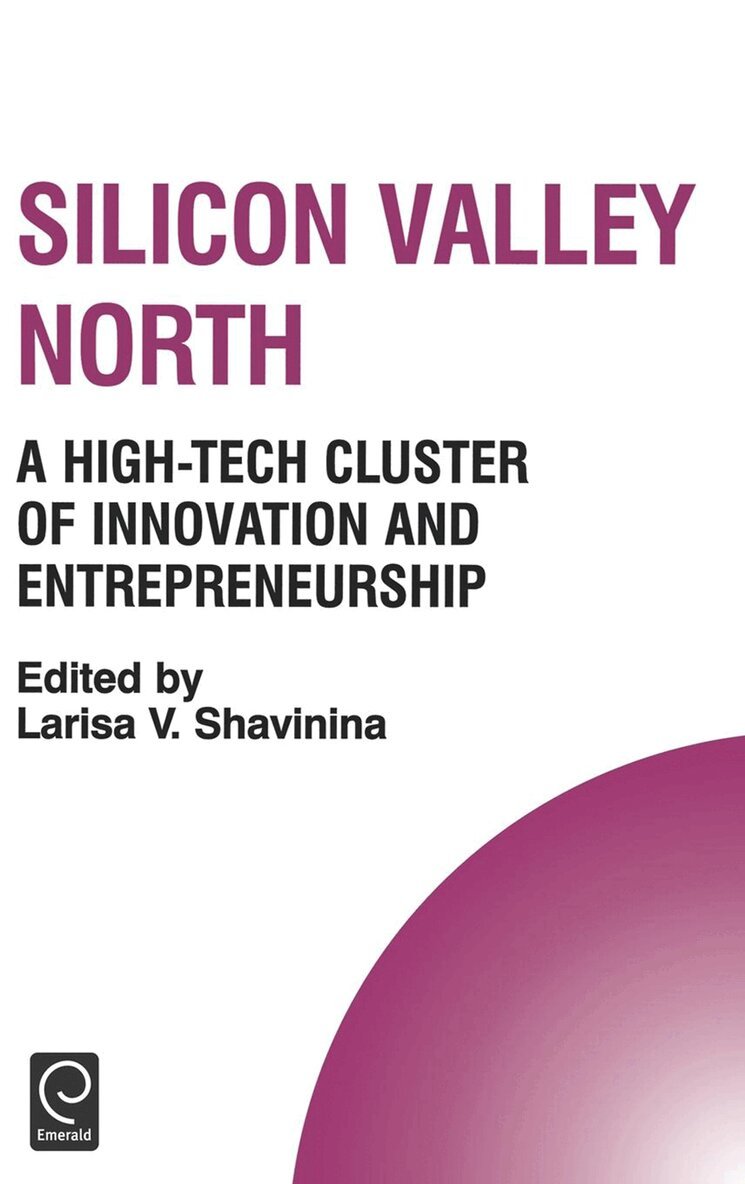
Silicon Valley North
A High-Tech Cluster of Innovation and Entrepreneurship
Inbunden, Engelska, 2004
1 180 kr
Skickas
The Silicon phenomenon was, is, and will be an extremely important phenomenon in the accelerated technological, scientific, and economic development of countries and regions. Silicon Valley North (SVN) is the high tech capital of Canada, the nations most developed and dynamic technology sector, which includes multiple clusters in telecommunications, software, photonics, and life sciences. It gave birth to many well-known companies such as Corel, JDS Uniphase, Mitel, Newbridge Networks, Nortel Networks, Digital Equipment of Canada, just to mention a few. A lot of literature describes Silicon Valley and Silicon Alley in the US, Silicon Islands in Asia, and so on. Despite the quite evident importance of Silicon Valley North for the regional, national, and international technological development (especially when Nortel Networks and JDS Uniphase became global leaders in their fields and expanded in explosive fashion), this phenomenon is far from being well understood.Because of this, a book on the Canadian Silicon Valley is an exceptionally timely endeavor. "Silicon Valley North: A High-Tech Cluster of Innovation and Entrepreneurship" is devoted to the multidimensional and multifaceted nature of SVN, its history, current state and future developments. The book offers a broad and deeply thematic analysis of one particular innovative clusterSilicon Valley North. The reader will obtain expert insight into what SVN is all about by acquiring a comprehensive and "panoramic picture" of SVN within a single book. The reader will develop an accurate sense of what spurs high tech start-up companies in SVN toward their exceptional performances, and how to apply these insights to his or her unique regional context.
3 422 kr
Skickas inom 10-15 vardagar
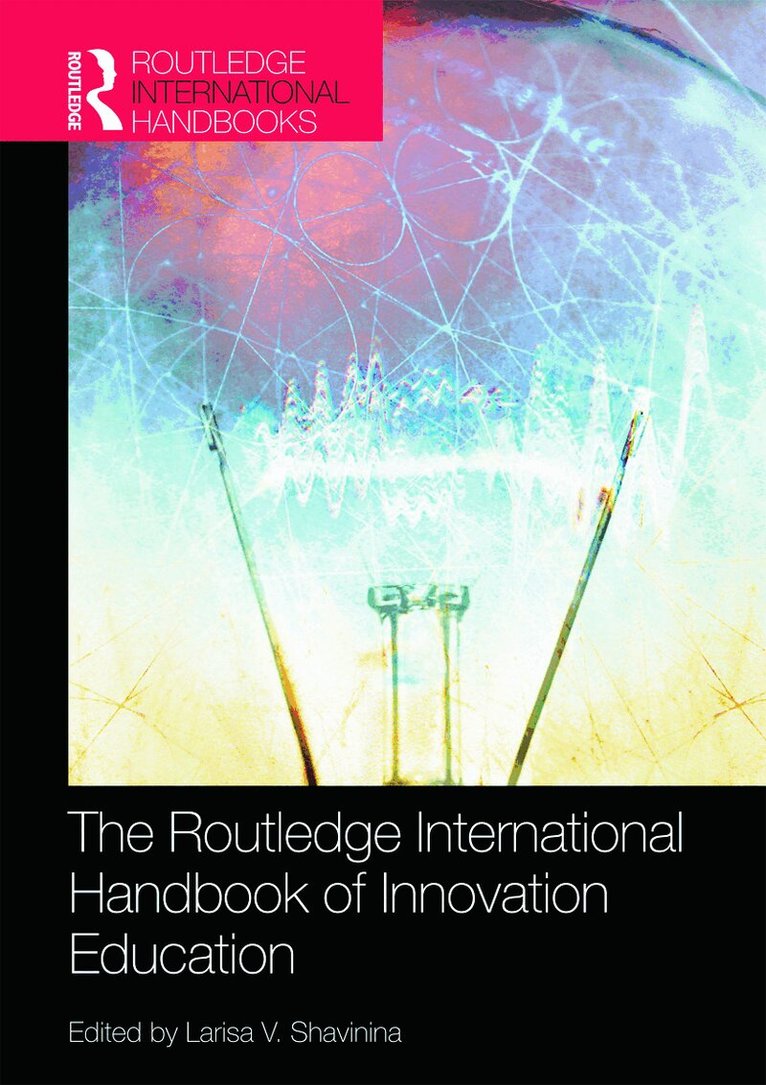
The Routledge International Handbook of Innovation Education is the international reference work on innovation education and potentially opens an entirely new direction in education. The overall goal of the handbook is to address the question of how to develop innovators in general and how to develop the innovative potential of today’s young people with exceptional talents in science, technology, engineering, and maths (STEM) disciplines in particular. Today many governments around the world are interested in the development of STEM innovators. This handbook provides the first and most comprehensive account available of what should be done in order to develop innovators and how to do it successfully. It includes chapters by leading specialists from around the world responsible for much of the current research in the fields of innovation, gifted education, scientific talent, science education, and high ability studies. Based on the latest research findings and expert opinion, this book goes beyond mere anecdotes to consider what science can tell us about the development of innovators. By enlisting chapters from innovation experts, educators, psychologists, policy makers, and researchers in the field of management The Routledge International Handbook of Innovation Education will allow all of these scholars to speak to each other about how to develop innovators via innovation education, including such issues as: the nature of innovation education, its basis, main components and content, its criteria and specificity in various domains and contexts, societal demands placed upon it. This ground-breaking and potentially field defining work will thus serve as the first authoritative resource on all aspects of theory, research, and practice of innovation education.
1 400 kr
Skickas inom 10-15 vardagar
The Routledge International Handbook of Innovation Education is the international reference work on innovation education and potentially opens an entirely new direction in education. The overall goal of the handbook is to address the question of how to develop innovators in general and how to develop the innovative potential of today’s young people with exceptional talents in science, technology, engineering, and maths (STEM) disciplines in particular. Today many governments around the world are interested in the development of STEM innovators. This handbook provides the first and most comprehensive account available of what should be done in order to develop innovators and how to do it successfully. It includes chapters by leading specialists from around the world responsible for much of the current research in the fields of innovation, gifted education, scientific talent, science education, and high ability studies. Based on the latest research findings and expert opinion, this book goes beyond mere anecdotes to consider what science can tell us about the development of innovators. By enlisting chapters from innovation experts, educators, psychologists, policy makers, and researchers in the field of management The Routledge International Handbook of Innovation Education will allow all of these scholars to speak to each other about how to develop innovators via innovation education, including such issues as: the nature of innovation education, its basis, main components and content, its criteria and specificity in various domains and contexts, societal demands placed upon it. This ground-breaking and potentially field defining work will thus serve as the first authoritative resource on all aspects of theory, research, and practice of innovation education.
2 044 kr
Skickas inom 10-15 vardagar
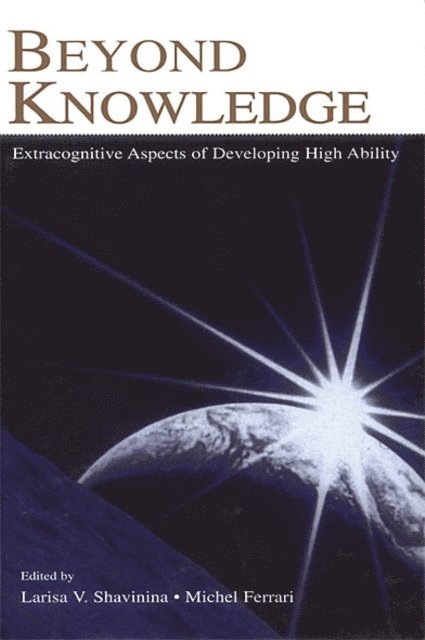
Some aspects of giftedness and creativity cannot be explained by cognitive, developmental, personality, or social approaches considered in isolation. At the intersection of these approaches is something invisible, deeply hidden, but at the same time very important--the extracognitive facets of high ability. This volume brings together chapters by leading specialists from around the world responsible for much of the current research in this field, presenting a wide range of perspectives for understanding exceptional achievement. "High ability" refers to human abilities described by terms, such as giftedness, talent, creativity, excellence, genius, child prodigies, exceptional leadership, and wisdom. "Extracognitive factors" refer to phenomena like internally developed standards and subjective norms of intellectually creative behavior; specific intellectual intentions and beliefs that influence exceptional achievements; specific feelings that scientific geniuses and other highly creative individuals say contribute to their advanced development; specific preferences and intellectual values; luck, chance, intuition, and other similar phenomena in extraordinary development and performance; and social, cultural, and historical influences on talent development. Although there are many books about the cognitive bases of high ability, this volume uniquely discusses the foundations of such achievements in extracognitive factors as defined here, thus providing a rich source of information on this topic to researchers, practitioners, and graduate students of education, psychology, business, and administration who work in the area of high ability.
644 kr
Skickas inom 10-15 vardagar
Some aspects of giftedness and creativity cannot be explained by cognitive, developmental, personality, or social approaches considered in isolation. At the intersection of these approaches is something invisible, deeply hidden, but at the same time very important--the extracognitive facets of high ability. This volume brings together chapters by leading specialists from around the world responsible for much of the current research in this field, presenting a wide range of perspectives for understanding exceptional achievement. "High ability" refers to human abilities described by terms, such as giftedness, talent, creativity, excellence, genius, child prodigies, exceptional leadership, and wisdom. "Extracognitive factors" refer to phenomena like internally developed standards and subjective norms of intellectually creative behavior; specific intellectual intentions and beliefs that influence exceptional achievements; specific feelings that scientific geniuses and other highly creative individuals say contribute to their advanced development; specific preferences and intellectual values; luck, chance, intuition, and other similar phenomena in extraordinary development and performance; and social, cultural, and historical influences on talent development. Although there are many books about the cognitive bases of high ability, this volume uniquely discusses the foundations of such achievements in extracognitive factors as defined here, thus providing a rich source of information on this topic to researchers, practitioners, and graduate students of education, psychology, business, and administration who work in the area of high ability.