Mythology is usually reserved for non-Christian religions. However, the adoption of Christianity in Northern and East-Central Europe between c. 1000 and 1300 can be adequately described as a myth-making process: local saints were added to the Christian pantheon in all regions entering Latin Europe. The present collection explores the links between local sanctity and the making of national myths in medieval historical writing. By bringing together specialists in history and literature of the European periphery in question, the case is made that the writing of history and saints lives from this pioneering period should been analysed together as mainly successful attempts at creating cultural foundation myths. The book is based on a conference held in Bergen in November 2003 on Historiography and the Holy and forms part of the research programme at the interdisciplinary Centre of Medieval Studies (CMS) at the University of Bergen.
Norwegian medieval Latin literature was in its prime in the latter half of the 12th century. A number of Latin works on Norwegian history came into existence. In this interdisciplinary collection of articles, there is a presentation of these works and their backgrounds, and the correlation between the Latin and the Norse tradition is examined. Of central importance in the book is the cult of Olav the Saint whose seat was the cathedral in Trondheim (Nidaros). The development of the Legend of St. Olav and the collection of miracles belonging to it are discussed by specialists of various professions from different points of view -- liturgical, religious historical, sociological, philological and literary.
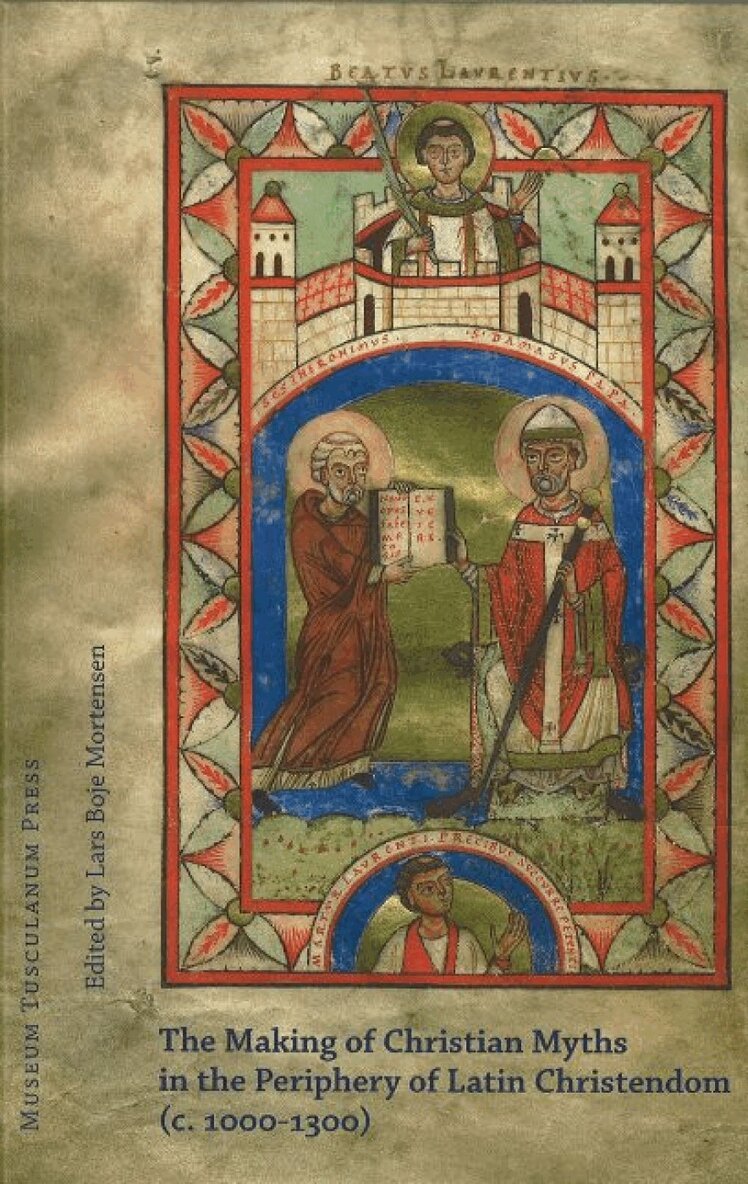
Mythology is usually reserved for non-Christian religions. However, the adoption of Christianity in Northern and East-Central Europe between c. 1000 and 1300 can be adequately described as a myth-making process: local saints were added to the Christian pantheon in all regions entering Latin Europe. The present collection explores the links between local sanctity and the making of national myths in medieval historical writing. By bringing together specialists in history and literature of the European periphery in question, the case is made that the writing of history and saints lives from this pioneering period should been analysed together as mainly successful attempts at creating cultural foundation myths. The book is based on a conference held in Bergen in November 2003 on Historiography and the Holy and forms part of the research programme at the interdisciplinary Centre of Medieval Studies (CMS) at the University of Bergen.
Norwegian medieval Latin literature was in its prime in the latter half of the 12th century. A number of Latin works on Norwegian history came into existence. In this interdisciplinary collection of articles, there is a presentation of these works and their backgrounds, and the correlation between the Latin and the Norse tradition is examined. Of central importance in the book is the cult of Olav the Saint whose seat was the cathedral in Trondheim (Nidaros). The development of the Legend of St. Olav and the collection of miracles belonging to it are discussed by specialists of various professions from different points of view -- liturgical, religious historical, sociological, philological and literary.